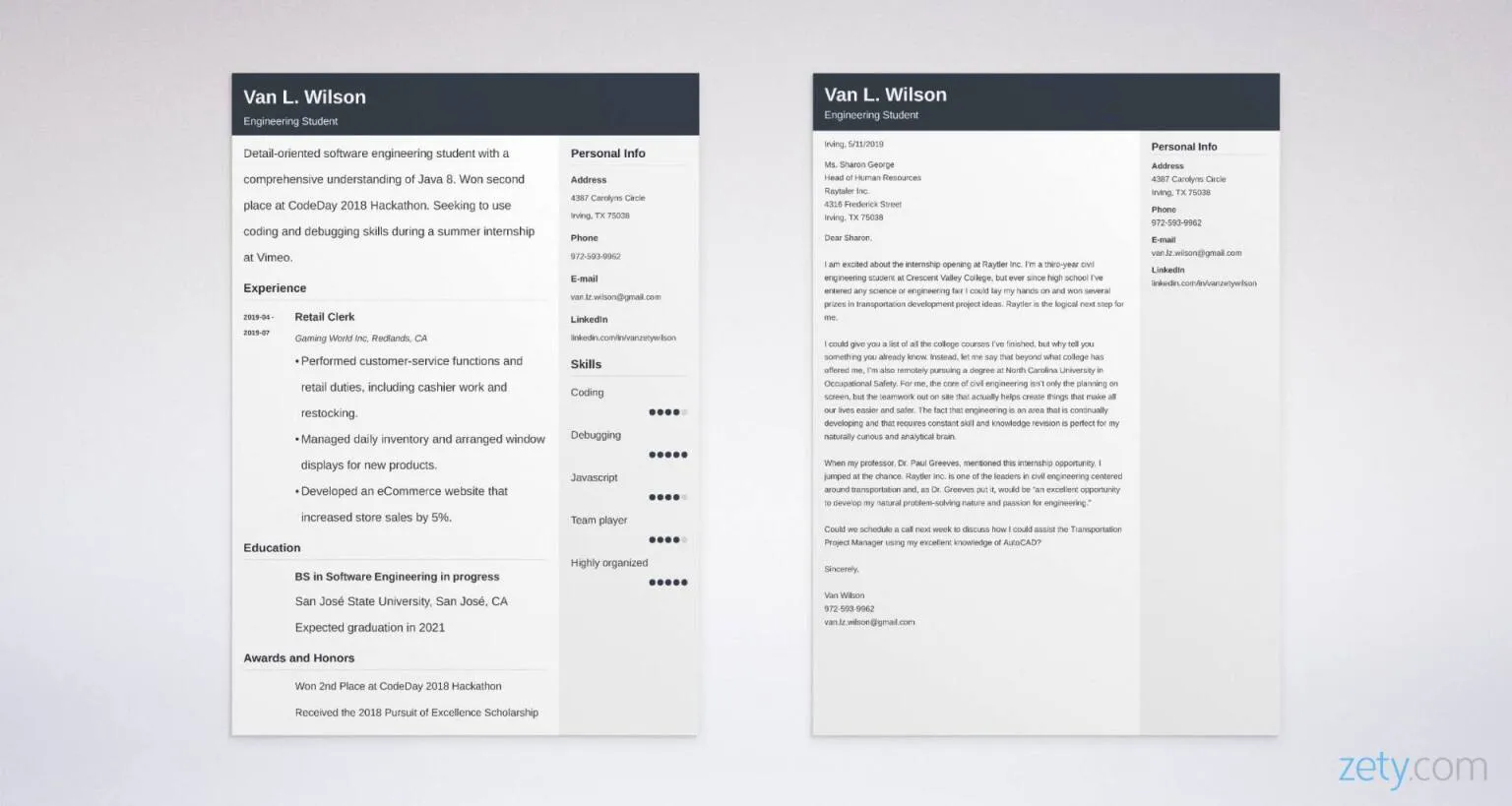
Key Elements of an Electrical Engineering Internship Cover Letter
A well-crafted cover letter is your first opportunity to make a strong impression on potential employers when applying for an electrical engineering internship. It provides a space to highlight your qualifications, demonstrate your enthusiasm, and showcase your personality in a way that a resume alone cannot. A compelling cover letter can significantly increase your chances of securing an interview and ultimately landing your dream internship. It’s not merely a formality; it’s a crucial tool for selling yourself and your skills to the hiring manager. Think of it as a concise narrative that complements your resume, painting a picture of why you’re the ideal candidate. Mastering the art of the cover letter is an essential skill for any aspiring electrical engineer.
Contact Information & Personalization
Personalizing your cover letter shows that you’ve taken the time to research the company and the specific internship opportunity. This attention to detail can make a significant difference in how your application is perceived. It’s a demonstration of your genuine interest and proactive approach to the job search. A generic cover letter often gets overlooked; however, a personalized one shows that you’re serious about this specific role and that you’ve put in the extra effort. This is often the first thing that the hiring manager sees, and it sets the tone for the rest of your application.
Your Name & Contact Details

Begin your cover letter by clearly stating your full name, address, phone number, and email address. This information should be at the top of the letter, either left-aligned or centered. Ensure that your email address is professional; avoid using nicknames or informal addresses. This section should be easily accessible, allowing the employer to quickly identify and contact you. Double-check that all contact information is accurate to avoid any missed opportunities. Your professional presentation starts with this basic information, making sure it’s easily accessible and correct.
Recipient’s Name & Company Address
Research the name of the hiring manager or the person responsible for reviewing internship applications and address your letter directly to them. This shows initiative and attention to detail. If you are unable to find a specific name, use a general title, such as ‘Hiring Manager.’ Always include the company’s address to maintain a professional format. This personalization elevates your application and demonstrates your proactive approach. Directing your letter to a specific individual shows that you’ve put in the effort to learn about the company and the role.
Professional Salutation
Start your cover letter with a professional salutation, such as ‘Dear Mr./Ms./Mx. [Last Name]’ or ‘Dear Hiring Manager.’ Avoid overly casual greetings. Using the correct title and last name shows respect and attention to detail. If you don’t know the name, ‘Dear Hiring Manager’ is an appropriate alternative. The salutation sets the tone for your entire letter. A professional salutation shows that you understand workplace etiquette. Using ‘To Whom It May Concern’ is generally outdated and less personal; therefore, avoid this greeting.
Highlighting Your Skills & Qualifications

This section is your opportunity to showcase how your skills and qualifications align with the requirements of the electrical engineering internship. Focus on demonstrating your relevant knowledge, experience, and abilities. Instead of merely listing your skills, explain how you’ve used them in past projects or coursework. Provide concrete examples and quantify your accomplishments whenever possible. Clearly and concisely communicate your ability to contribute to the company. Use keywords from the job description to tailor your letter to the specific internship you’re applying for, and this will enhance your chances of getting noticed.
Technical Skills
Detail your technical skills, emphasizing those most relevant to the internship. Include specific areas of expertise such as circuit analysis, power systems, control systems, or digital signal processing. Mention any experience with industry-standard software or equipment. If you’ve worked with specific hardware or software platforms, be sure to list them. Use examples of projects where you utilized these skills to demonstrate your proficiency. Tailor your technical skill list to match the requirements listed in the job description. Be specific about your level of experience and any certifications or training you’ve received in these areas.
Software Proficiency
List any software or programming languages you’re proficient in, such as MATLAB, Simulink, AutoCAD, or Python. Specify your level of expertise with each tool. Describe how you’ve used these software packages in your coursework or projects. Mention any relevant certifications or training you have completed. Software proficiency is essential in modern electrical engineering. Employers often look for candidates who are comfortable using design and simulation software. Include specific project examples where your software skills were essential to your success.
Relevant Coursework & Projects

Highlight any coursework, projects, or research that demonstrates your knowledge and experience in electrical engineering. Provide brief descriptions of significant projects, emphasizing your role, the challenges you faced, and the results you achieved. Quantify your accomplishments whenever possible. For example, if you designed a circuit, explain how efficient it was. If you were part of a team, describe your contributions and the team’s overall achievements. This shows employers that you have practical experience. Be sure to mention any relevant coursework that prepared you for the internship.
Demonstrating Your Passion & Enthusiasm
Employers want to hire interns who are genuinely interested in electrical engineering and excited about the opportunity. Demonstrate your enthusiasm by expressing your passion for the field and your interest in the specific company. Explain why you’re drawn to their work, values, or products. Show that you’ve researched the company and have a clear understanding of what they do. This personal touch can set your application apart from others. Be authentic and genuine in your expression of interest. Enthusiasm is contagious, and it can significantly increase your chances of getting hired.
Expressing Interest in the Company
Explain why you are interested in the specific company. Research the company’s mission, values, products, and recent projects. Mention something specific that excites you about working there. This shows that you’ve done your homework and are genuinely interested in the role. Tailor your cover letter to each company. Show that you understand their work. Express your excitement about the opportunity to contribute to their team. Personalizing your letter will significantly improve your chances.
Showcasing Your Career Goals

Briefly describe your career goals and how the internship aligns with them. Explain what you hope to gain from the experience. Highlight the skills you aim to develop during the internship. Make sure your goals are realistic and relevant to the internship position. Demonstrating a clear sense of direction and ambition can impress employers. Focus on how the internship will help you achieve your professional aspirations. This shows the employer that you’re not just looking for a job, you’re seeking a valuable experience.
Formatting & Tone
The formatting and tone of your cover letter play a critical role in how you are perceived by potential employers. A polished and professional presentation demonstrates attention to detail and professionalism. Proofread your letter meticulously for any errors. The formatting should be consistent and easy to read. The tone should be professional and enthusiastic, reflecting your genuine interest in the internship opportunity. A well-formatted cover letter is as important as the content within it, setting a positive first impression and demonstrating your professionalism to the hiring manager. Consider using a standard business letter format to maintain a professional appearance.
Professional Tone & Language
Maintain a professional tone throughout your cover letter. Use formal language and avoid slang, contractions, and overly casual expressions. Be concise and to the point. Focus on providing relevant information about your skills and qualifications. Use strong action verbs to describe your accomplishments and responsibilities. Your writing should be clear, concise, and easy to understand. Avoid using jargon that the reader may not understand. A professional tone ensures that your cover letter projects a positive and respectful image of you as a candidate.
Cover Letter Structure

Structure your cover letter logically. Start with a clear introduction, followed by the body paragraphs, and end with a concise conclusion. Each paragraph should focus on a specific point or aspect of your qualifications. Use headings and bullet points to improve readability. A well-structured cover letter is easier for the hiring manager to read and understand. Make sure it flows smoothly from one point to the next, creating a cohesive narrative. The structure should guide the reader through your key skills, experiences, and interests. Remember the structure of the cover letter like this: Introduction, Body, and Conclusion. Be sure your cover letter is the appropriate length; a single page is usually enough.
Proofreading & Editing
Proofread your cover letter carefully for any grammatical errors, spelling mistakes, and typos. Have a friend or family member review your letter as well. Errors can create a negative impression and undermine your credibility. Ensure the letter is free of errors. Use grammar checking tools, but always double-check the results. Proofreading ensures that your application is polished and professional. Attention to detail in your writing reflects your overall commitment to quality and professionalism.
Call to Action & Closing
The closing section of your cover letter is your last opportunity to leave a positive impression and encourage the hiring manager to take action. A well-crafted closing should express gratitude, reiterate your interest in the internship, and clearly state your availability for an interview. The final impression you make can significantly impact your chances of success. Ensure that you convey enthusiasm and professionalism in your closing. A strong closing will reinforce your key qualifications and leave a positive and lasting impression on the hiring manager.
Expressing Gratitude

Thank the reader for considering your application. Express your appreciation for their time and attention. This shows respect and consideration. A simple expression of gratitude can leave a positive impression. A sincere thank you can go a long way. Ending your letter with a thank you message is a standard and polite practice. Thanking the hiring manager reinforces your professionalism.
Call to Action
Include a clear call to action at the end of your cover letter. State your availability for an interview and express your enthusiasm for discussing your qualifications further. Make it easy for the employer to take the next step. Include your contact information. Make it clear that you’re eager to move forward in the application process. A call to action encourages the employer to contact you. This reinforces your interest and motivates the hiring manager to consider you.
Professional Closing & Signature
Use a professional closing, such as ‘Sincerely,’ ‘Best regards,’ or ‘Thank you.’ Then, type your name and, if submitting a physical copy, leave space for your handwritten signature above your typed name. A professional closing shows respect and professionalism. Avoid casual closings. Your signature, whether electronic or physical, personalizes the letter. A professional closing and signature complete your cover letter. Using the right closing sets a positive tone, and reinforces your professionalism as a candidate. The goal is to finish on a positive note, increasing the chances of an interview.