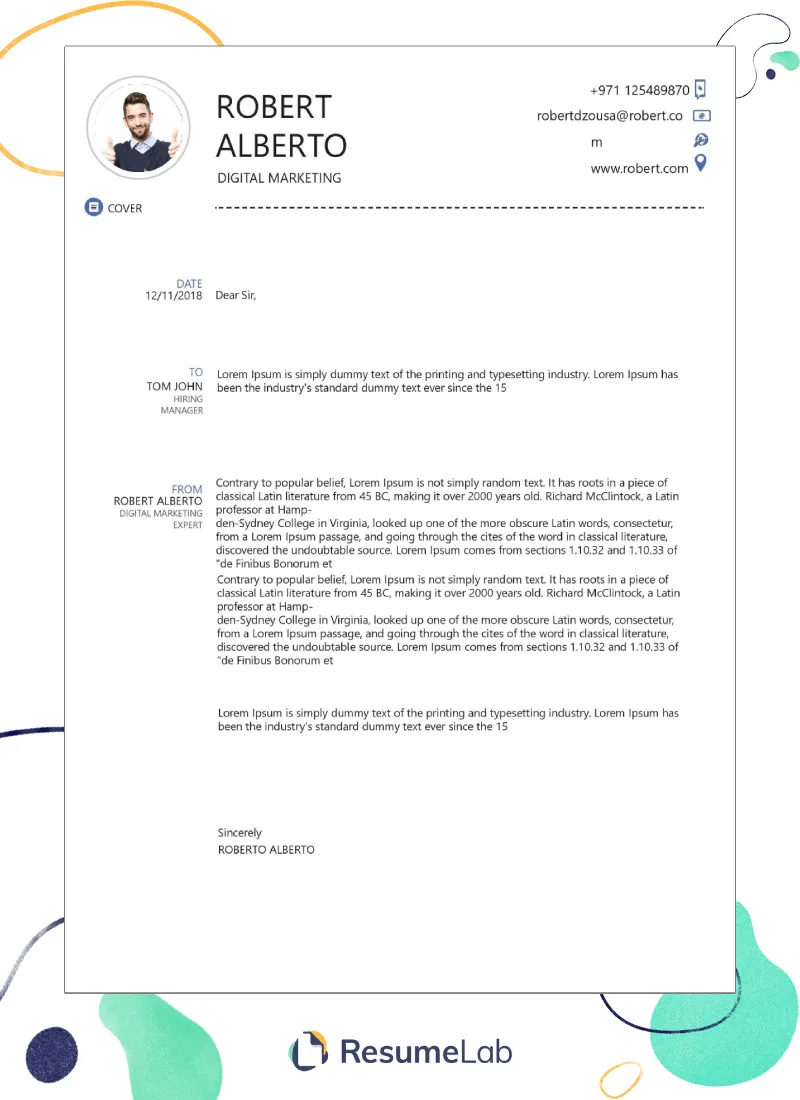
What is a Cover Letter
A cover letter is a crucial document that accompanies your resume when applying for a job. It serves as your introduction to the hiring manager, providing a snapshot of your qualifications, skills, and experience. Unlike a resume, which is a factual summary of your background, a cover letter allows you to express your personality, enthusiasm, and interest in the specific role and company. It’s your chance to make a strong first impression and convince the employer that you are the ideal candidate. A well-written cover letter complements your resume, adding depth and context to your application, and significantly increasing your chances of landing an interview. Many job seekers underestimate the value of a cover letter, but it can be the deciding factor in getting your foot in the door.
Why You Need a Cover Letter
In today’s competitive job market, a cover letter is not just a formality, it’s an essential tool for setting yourself apart. It allows you to personalize your application and showcase your understanding of the job requirements and the company’s values. Without a cover letter, you’re essentially sending a generic application, which can easily be overlooked. A cover letter provides an opportunity to address specific qualifications, explain gaps in your employment history, or highlight experiences that might not be immediately apparent from your resume. It also demonstrates your communication skills, writing ability, and attention to detail—all of which are highly valued by employers. Many employers will not even review a resume without a cover letter, making it a critical part of your job search strategy. By providing a tailored cover letter, you show that you have taken the time to understand the role and are genuinely interested in the opportunity.
Benefits of Using a Cover Letter

The benefits of using a cover letter are numerous. It gives you a platform to elaborate on your skills and accomplishments in a way that a resume cannot. You can explain why you are a good fit for the company and the specific role, referencing how your past experiences align with their needs. A cover letter can highlight your soft skills, such as communication, teamwork, and problem-solving, that are often difficult to quantify on a resume. Moreover, it shows your enthusiasm and interest in the position, demonstrating that you have done your research on the company and its culture. A well-crafted cover letter can also help you overcome any perceived shortcomings in your application, such as a lack of direct experience or a career gap. By addressing these issues proactively, you can shape the narrative and present yourself in the best possible light. It provides you with an edge over other candidates who may not include a cover letter.
Where to Download Free Cover Letter Templates
Finding free cover letter templates is easier than ever. Numerous websites offer a wide variety of templates to suit different job types and personal styles. These templates provide a solid foundation for your cover letter, saving you time and effort. You can find templates in various formats, including Word documents, Google Docs, and other user-friendly formats. Downloading a template allows you to focus on the content of your cover letter, ensuring that you effectively communicate your qualifications and enthusiasm. It is important to choose templates that are easily editable and allow for customization to match your brand and the specific job you are applying for. Ensure the website you choose offers templates that are well-formatted, professional-looking, and free from errors. Many websites also provide guidance on how to customize your template.
Best Websites for Free Cover Letter Templates
Several websites stand out for offering high-quality, free cover letter templates. These sites provide a variety of designs and formats, catering to diverse professional fields and personal preferences. Websites like Microsoft Office offer a wide range of templates directly within their software, allowing for easy editing and customization. Websites like Canva provide professionally designed templates. These platforms often offer customization options, allowing you to adjust the fonts, colors, and layouts to match your brand and the specific job requirements. When selecting a website, consider its reputation, the variety of templates offered, and the ease of use. Choose platforms that provide templates that are easy to download and edit in your preferred format, such as Microsoft Word or Google Docs. Always ensure the website is reliable and provides templates that look professional and are free from formatting errors.
Template 1 Simple and Professional

A simple and professional cover letter template is ideal for most job applications. It focuses on clear and concise language, a clean layout, and a straightforward structure. This type of template emphasizes your skills and experience without distracting design elements. Typically, the template includes sections for your contact information, the date, the hiring manager’s information, a formal salutation, a brief introduction, a body section highlighting your qualifications and how they relate to the job, and a professional closing. The key is to maintain a balance between formality and personalization. Keep the tone professional and avoid overly casual language. Ensure the template is well-formatted, easy to read, and presents your information in a logical and organized manner. The goal is to create a positive first impression and highlight your professional experience.
Template 2 Modern Design
Modern cover letter templates incorporate contemporary design elements to create a visually appealing document. These templates often use stylish fonts, subtle color accents, and creative layouts to make your application stand out. Modern designs are suitable for fields where creativity and innovation are valued, such as marketing, design, and tech industries. Look for templates that balance visual appeal with readability. Avoid overly complex designs that might distract from the content. Ensure your template includes clear headings, ample white space, and a well-organized structure to make your information easy to scan. Modern templates should still maintain a professional tone while allowing you to express your personality and brand in a more visually creative way. Use colors and design elements sparingly to complement your content.
Template 3 Creative Style
Creative cover letter templates are designed for individuals applying for roles in creative fields. These templates allow you to showcase your artistic flair and design skills. They often feature unique layouts, unconventional fonts, and visual elements that demonstrate your creativity. The key is to select a template that reflects your personal brand and aligns with the job requirements. Choose a style that is visually engaging but does not overshadow the content. Ensure the template is easy to read and presents your information in a well-organized manner. Creative templates are perfect for positions in design, marketing, and other creative industries, where the ability to think outside the box is essential. Before choosing a creative template, consider whether it aligns with the company culture and the expectations of the hiring manager.
Template 4 Traditional Approach

Traditional cover letter templates offer a classic and formal approach suitable for conservative industries and roles. These templates focus on a clean, professional design with standard fonts and a formal tone. The structure typically includes sections for your contact information, the date, the hiring manager’s details, a formal salutation, a concise introduction, a body section that clearly highlights your qualifications, and a professional closing. Traditional templates emphasize clarity, organization, and professionalism. The aim is to convey respect for the company and the role, ensuring your application is taken seriously. These templates are often best suited for fields such as finance, law, and government positions where a conservative and professional presentation is highly valued. Ensure your content is focused on your skills and experience and tailored to the specific job.
Template 5 Targeted for Specific Jobs
Templates targeted for specific jobs are tailored to align with the requirements and expectations of particular roles. These templates often include sections or prompts that guide you in addressing the specific skills, experiences, and keywords relevant to that job. Using a targeted template ensures that your cover letter addresses the specific needs of the hiring manager. When selecting a template, look for those that provide clear guidance on how to highlight the most relevant qualifications and tailor your language to the role. Specific job templates can streamline the application process and significantly increase your chances of getting noticed. Focus on the job description, highlighting how your skills match the requirements and using industry-specific language. This level of detail indicates that you are genuinely interested in the role and understand the company’s needs.
How to Customize Your Free Cover Letter Template
Customizing your free cover letter template is essential to make it your own and demonstrate your suitability for the job. Start by replacing the placeholder information with your own contact details, including your name, phone number, email address, and LinkedIn profile link. Then, tailor the content to the specific job description, highlighting the skills and experiences that match the requirements. Be sure to personalize your cover letter to the company and position. Research the company’s mission, values, and recent projects to demonstrate your genuine interest. Adjust the language and tone of your cover letter to match the company culture. It’s also important to customize the formatting, such as the font, font size, and spacing, to ensure the document is easy to read and visually appealing. Finally, proofread your cover letter multiple times to eliminate any errors and ensure your message is clear and impactful. The goal is to create a personalized document that represents your brand and highlights your strengths.
Personalizing Your Cover Letter

Personalizing your cover letter goes beyond simply changing the name and contact details in the template. It requires researching the company, understanding the job requirements, and tailoring your message to demonstrate why you are the ideal candidate. Start by addressing the hiring manager by name whenever possible. Then, research the company’s mission, values, and recent projects to show that you have done your homework. When personalizing your cover letter, highlight specific accomplishments and experiences that directly relate to the job description. Use keywords from the job posting to demonstrate that you understand the needs of the role. Explain why you are excited about the opportunity and how you see yourself contributing to the company’s success. Personalize the tone of your cover letter to match the company’s culture. This shows the hiring manager that you are genuinely interested and invested in the opportunity. Aim to make a unique document.
Formatting Your Cover Letter
Formatting your cover letter correctly is essential for making a positive impression and ensuring that your application is easy to read. Use a professional font, such as Times New Roman, Arial, or Calibri, in a standard size (11 or 12 points) to ensure readability. Maintain consistent formatting throughout the document, including the font style, size, and spacing. Ensure proper spacing between paragraphs and sections to create a clean and uncluttered look. Include your contact information at the top of the document, followed by the date and the hiring manager’s details. Use clear headings and bullet points to organize your content, making it easy for the reader to scan and find key information. Use ample white space to enhance readability and avoid overwhelming the reader. Proofread your cover letter for formatting errors, such as incorrect alignment, inconsistent spacing, or uneven margins. Proper formatting ensures your cover letter looks professional and polished. The goal is to present your information clearly and make it easy for the hiring manager to read and understand.
Proofreading and Editing Your Cover Letter
Proofreading and editing are critical steps in the cover letter writing process, ensuring that your application is free of errors and effectively communicates your qualifications. Before submitting your cover letter, thoroughly review it for any grammatical errors, spelling mistakes, or typos. Pay attention to sentence structure, punctuation, and word choice to ensure clarity and professionalism. Read your cover letter aloud to identify awkward phrasing or areas that need improvement. Ask a friend, family member, or career counselor to review your cover letter for feedback. They can provide a fresh perspective and catch errors that you might have missed. Ensure your cover letter is free of jargon or overly complex language. Make sure that all details, such as contact information, dates, and job titles, are accurate. Proofreading and editing make your cover letter polished and present you as a candidate who pays attention to detail.
Tips for Making Your Cover Letter Stand Out

To make your cover letter stand out, go beyond simply listing your skills and experiences. Start by researching the company and tailoring your cover letter to the specific job requirements. Highlight your key accomplishments and quantify them whenever possible. Instead of just stating what you did, provide examples of your achievements and the results you achieved. Use a strong, engaging opening paragraph to grab the hiring manager’s attention immediately. Show enthusiasm for the role and the company, demonstrating your genuine interest. Tailor your language and tone to match the company culture. Demonstrate how your skills and experiences align with the company’s values. Use keywords from the job description to demonstrate your understanding of the role. Proofread your cover letter thoroughly to ensure that it is free from errors. These elements collectively ensure your cover letter not only meets but exceeds the requirements of the job and the hiring manager’s expectations.
Highlighting Your Skills and Achievements
When highlighting your skills and achievements, focus on the most relevant and impressive aspects of your background. Instead of just listing your skills, provide specific examples of how you have used those skills to achieve results. Use the STAR method (Situation, Task, Action, Result) to structure your accomplishments and make them more impactful. Describe the situation you faced, the task you were responsible for, the actions you took, and the results you achieved. Quantify your achievements whenever possible, using numbers and data to demonstrate the impact of your work. For example, instead of saying, “Improved customer service,” say “Increased customer satisfaction scores by 15% within six months.” Use keywords from the job description to demonstrate your understanding of the role and show how your skills align with the employer’s needs. Tailor your language and examples to the specific job. Demonstrating your successes in a clear, concise, and compelling way, your cover letter will show the hiring manager that you are well-suited for the role.
Tailoring Your Cover Letter to the Job Description
Tailoring your cover letter to the job description is critical for demonstrating that you are a strong fit for the role. Begin by carefully reviewing the job description, identifying the key skills, experiences, and requirements the employer is seeking. Use keywords from the job description throughout your cover letter, especially in your introduction and body paragraphs. Highlight specific accomplishments and experiences that align with the job requirements. Instead of just stating your skills, provide examples of how you have used those skills in past roles and achieved results. Research the company and its values to demonstrate your genuine interest and understand the job. Modify your language and tone to match the company culture, showing that you are a good fit for the team. By tailoring your cover letter to the job description, you demonstrate that you have taken the time to understand the role and are genuinely interested in the opportunity, increasing your chances of landing an interview.
Using Keywords Effectively

Using keywords effectively is essential for getting your cover letter noticed by both human readers and applicant tracking systems (ATS). Review the job description carefully and identify the key skills, experiences, and qualifications the employer is seeking. Incorporate these keywords naturally throughout your cover letter, especially in your introduction, body paragraphs, and closing. Avoid keyword stuffing, which involves using too many keywords in a way that makes the text sound unnatural. Focus on using relevant keywords in a contextually appropriate manner. Use a combination of general and specific keywords to demonstrate your understanding of the role. Make sure your cover letter is easy to read and understand. Include keywords within your descriptions of your accomplishments and experiences. By strategically incorporating keywords, you can increase your chances of getting your cover letter read by the hiring manager and increase your chances of getting the job.
Common Mistakes to Avoid in Cover Letters
Avoiding common mistakes can significantly improve the effectiveness of your cover letter. One of the most common mistakes is using a generic cover letter that is not tailored to the specific job or company. Always personalize your cover letter and tailor it to the job requirements. Errors, like spelling and grammatical errors, create a poor impression, and can get your application immediately rejected. Always proofread your cover letter carefully, and have someone else review it. Avoid using overly formal language or jargon, which can make your cover letter difficult to read. Your cover letter should be clear, concise, and easy to understand. Do not repeat information from your resume. Your cover letter should expand on your resume by adding context and showcasing your personality. Not following the directions in the job description is another mistake to avoid. Lastly, sending your application without a cover letter can make it seem like you’re not interested in the job. A well-written cover letter can increase your chances of landing an interview and getting the job.
Conclusion
Downloading free cover letter templates is a great starting point for your job search, but customizing these templates is even more important. By understanding the value of a cover letter, knowing where to find free templates, and learning how to tailor your letter for each job, you can significantly improve your chances of getting noticed by employers. Remember to highlight your skills and achievements, and avoid common mistakes. Proofreading, editing, and ensuring you personalize your cover letter are crucial. Use the tips and information provided to create compelling, well-formatted cover letters that make you stand out. With these techniques, you can create cover letters that make a lasting impression and increase your chances of securing interviews and, ultimately, landing your dream job.