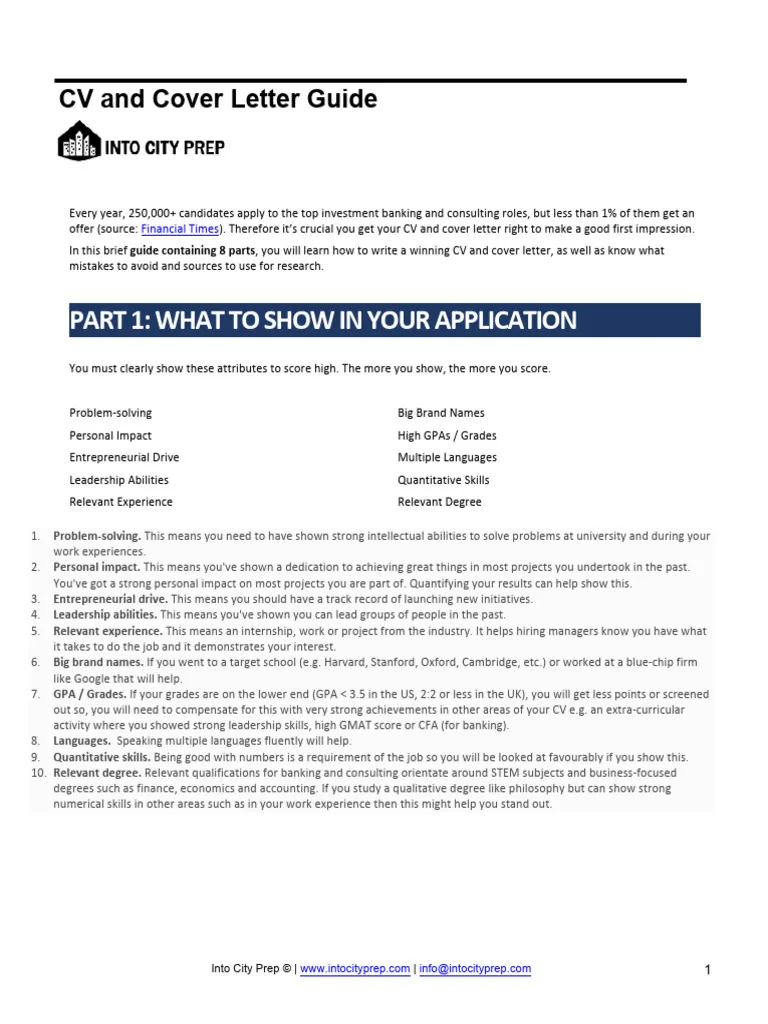
What is a Cover Letter?
A cover letter is a crucial document accompanying your resume when applying for a job. It serves as an introduction, allowing you to highlight your skills, experiences, and your enthusiasm for the specific role and company. It provides a platform to elaborate on your qualifications and demonstrate how you align with the job requirements. Unlike a resume, which offers a snapshot of your professional history, a cover letter allows you to showcase your personality and writing abilities.
The Purpose of a Cover Letter
The primary purpose of a cover letter is to secure an interview. It’s your chance to make a strong first impression and persuade the hiring manager to consider your application. A well-crafted cover letter demonstrates your communication skills, explains your interest in the position, and emphasizes why you’re the ideal candidate. It also allows you to personalize your application and show that you’ve taken the time to understand the company’s needs and the job’s requirements.
Why is a Cover Letter Important?

In today’s competitive job market, a cover letter can significantly increase your chances of landing an interview. It differentiates you from other applicants by providing context to your resume and showcasing your unique value proposition. A cover letter gives you the opportunity to tell your story, express your passion for the role, and demonstrate your understanding of the company’s values and mission. It’s an essential tool for making a positive impression and advancing your job search.
Essential Components of a Cover Letter
A well-structured cover letter typically includes several key components. These elements work together to create a compelling narrative that captures the hiring manager’s attention. Proper formatting and content organization contribute to the letter’s overall effectiveness in presenting your qualifications and enthusiasm.
Header and Contact Information
Start with your contact information, including your name, address, phone number, and email address. This should be followed by the date and the hiring manager’s name and title, if known, and the company’s address. Make sure your contact information is up-to-date and professional-looking, so the recruiter can easily contact you.
Greeting the Hiring Manager

Address the hiring manager by name, if possible. Research the company or check the job posting for the correct name and title. If you cannot find a specific name, use a professional greeting such as “Dear Hiring Manager.” Avoid generic greetings like “To Whom It May Concern.”
Opening Paragraph: Grab Their Attention
Your opening paragraph should immediately capture the reader’s attention. State the position you are applying for and briefly explain why you are interested in the role and the company. Consider mentioning a mutual connection or a specific achievement to make a strong first impression. It is all about showcasing the intention.
Body Paragraphs: Showcasing Your Skills
The body paragraphs are where you highlight your relevant skills, experiences, and achievements. Use this section to explain how your qualifications align with the job requirements. Provide specific examples and quantifiable results to demonstrate your capabilities and value to the company. Focus on showcasing the reason why they must hire you.
Highlighting Relevant Experience

Detail your work experience, focusing on the roles and responsibilities most relevant to the job you’re applying for. Explain how your previous roles have prepared you for this new opportunity. Describe your contributions and the skills you developed in each position.
Quantifying Your Achievements
Whenever possible, quantify your achievements with specific numbers and data. For example, instead of saying “Increased sales,” state “Increased sales by 20% in one quarter.” This provides concrete evidence of your skills and impact, making your application more compelling.
Tailoring Your Cover Letter
Customize your cover letter for each job application. Research the company and the specific role to understand their needs and priorities. Highlight the skills and experiences that align with the job description and show that you understand the company’s values. Tailoring your cover letter demonstrates your interest and that you’ve invested time into each application.
Closing Paragraph: Call to Action

Conclude your cover letter with a call to action. Express your enthusiasm for the opportunity and reiterate your interest in the role. Thank the hiring manager for their time and consideration. Provide your contact information again and state your availability for an interview.
Formatting and Design Tips
A well-formatted cover letter is easy to read and visually appealing. Proper formatting helps to present your information in a clear and concise manner, improving your chances of making a positive impression. Use a professional and easy-to-read font and maintain a consistent layout throughout the document.
Font and Readability
Choose a professional font such as Times New Roman, Arial, or Calibri. Use a font size between 10 and 12 points for the body text and 12-14 points for headings. Ensure your font is easy to read on a variety of devices. Maintain consistent formatting throughout the document to enhance readability.
Length and Structure

Keep your cover letter concise and focused, ideally within one page. Use clear and concise language, and organize your content logically. Use paragraphs to separate ideas and make it easy for the reader to follow your arguments. Use bullet points, if appropriate, to highlight key information and skills.
Proofreading and Editing
Proofread your cover letter carefully for any errors in grammar, spelling, and punctuation. A polished and error-free cover letter shows that you pay attention to detail and are committed to presenting yourself professionally. Always check your work before sending.
Common Mistakes to Avoid
Avoiding common mistakes can significantly improve your chances of success. By paying attention to these details, you can avoid negative impressions and showcase your skills and experience effectively.
Overly Generic Content

Avoid using a generic cover letter template without tailoring it to the specific job and company. Generic cover letters show a lack of interest and may not resonate with the hiring manager. Always customize your letter to reflect your understanding of the role and organization.
Typos and Grammatical Errors
Carelessly written cover letters with typos and grammatical errors can undermine your credibility. Proofread your letter multiple times, and consider having someone else review it. Ensure every sentence is clear, and free of errors.
Lack of Enthusiasm
Show your enthusiasm for the role and the company in your cover letter. Express your interest in the position and highlight why you are excited about the opportunity. Avoid sounding indifferent or simply listing your qualifications without passion.
How to Write a Cover Letter for Different Situations
The approach to writing a cover letter may vary depending on your situation. Customizing your cover letter to fit each situation is essential for showing you are a good match.
Entry-Level Positions
When applying for entry-level positions, highlight your education, internships, and any relevant coursework or projects. Emphasize any transferable skills, such as communication, teamwork, and problem-solving, that you have gained. Showcase your enthusiasm and eagerness to learn and contribute to the company.
Career Change
If you are changing careers, explain why you are making the transition and how your skills and experiences are transferable to the new role. Focus on the aspects of your background that align with the job requirements. Show your willingness to learn and adapt to a new environment. Frame your previous experiences in a way that aligns with the job description.
Applying for a Specific Job
When applying for a specific job, carefully review the job description and address each requirement. Highlight the skills and experiences that match the job requirements and explain how you can contribute to the company’s goals. Customize your letter to demonstrate your understanding of the company’s needs and your enthusiasm for the role. Make sure your qualifications exactly fit the requirements.