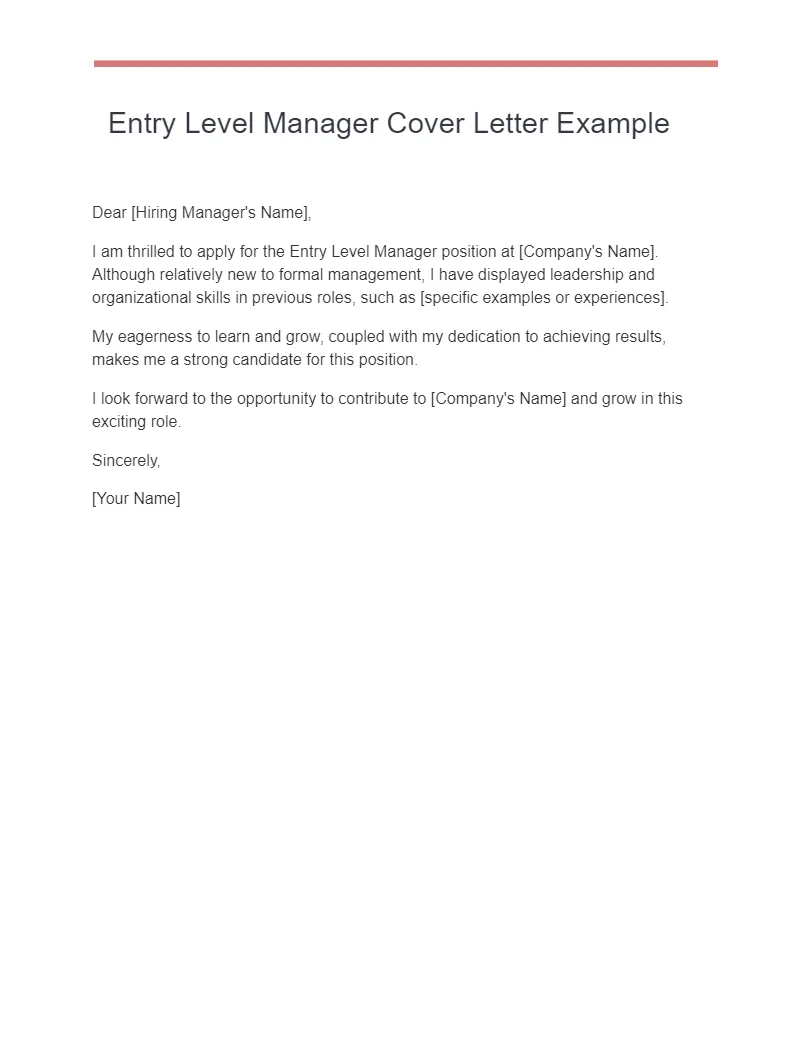
The Power of a Cover Letter Template Manager
In the competitive job market, a well-crafted cover letter can be the key to unlocking your dream career. However, writing a new cover letter for every application can be incredibly time-consuming. That’s where a cover letter template manager comes into play. It’s more than just having pre-written documents; it’s about creating a streamlined, efficient system that saves time, reduces stress, and ensures your applications are consistently polished and professional. A good cover letter template manager allows you to focus on tailoring your message to each specific job, increasing your chances of success. Utilizing these tools can dramatically change your job application process, transforming it from a chore into a strategic advantage. The goal is to work smarter, not harder, in your job search, and a well-managed cover letter template system is the cornerstone of that strategy.
Why Use Cover Letter Templates
Cover letter templates provide a strong foundation for your applications. They offer a consistent format, ensuring you include all the necessary information without overlooking crucial details. They save time by eliminating the need to start from scratch each time. Furthermore, using templates allows you to focus on the unique aspects of each job application, such as highlighting your specific skills and experiences relevant to the position. Templates also help maintain consistency in your branding. This ensures that your application materials project a professional image, reflecting your attention to detail and commitment to presenting yourself in the best possible light. Properly used cover letter templates elevate your overall application quality.
Benefits of Template Management

Effective cover letter template management offers several benefits. It significantly reduces the time spent on each application, allowing you to apply for more jobs and increase your opportunities. Well-organized templates make it easier to customize your letters for each role, ensuring you address the specific requirements and demonstrate your understanding of the company and position. Template management also helps maintain consistency in your applications, presenting a polished and professional image to potential employers. Furthermore, you can easily track the effectiveness of different template versions and customize them based on the results. The ability to quickly adapt and refine your approach is a significant advantage in a competitive job market.
Top 7 Template Management Tips
Organize Templates with Folders
Create a folder structure that mirrors the types of jobs or industries you’re targeting. For example, you could have folders for “Marketing,” “Finance,” or “IT.” Within these folders, you can further categorize templates based on specific roles or companies. This system makes it easy to find the right template quickly. Regularly review and update your folder structure as your job search evolves. Ensure the organization remains relevant to your current goals. Clear organization reduces wasted time and enhances efficiency, making your application process smoother and more effective. Implementing a logical and easy-to-navigate system can significantly improve your productivity and reduce stress.
Naming Conventions for Easy Search

Use descriptive filenames that include the job title, company name, and a brief summary of the template’s content. For example, “Marketing_Manager_Acme_SkillsSummary.docx.” This allows you to quickly identify the appropriate template without opening each file. Consistency is key; establish a standard naming convention and stick to it. Using dates in the filename can also help you track revisions and updates. This method ensures that you always use the most current version of your cover letter. Employ keywords that are easy to search and relevant to the job you are applying for. These naming conventions significantly increase your ability to retrieve the correct template, improving the efficiency of your application process.
Use a Dedicated Template Manager Software
Consider using software specifically designed for managing templates. These tools often offer advanced features such as version control, cloud storage, and collaboration capabilities. They can also integrate with other job search tools, streamlining your application process. Explore options like dedicated template management software or utilizing features within your word processing software. Ensure the chosen tool suits your needs and workflow. By using specialized software, you can achieve a higher level of organization and efficiency, keeping your templates safe and always accessible. This software can automate many tedious tasks, leaving you more time to focus on tailoring your applications and interviewing.
Regular Updates and Revisions
Review and update your templates regularly. As your skills, experiences, and career goals evolve, your templates should also change to reflect those updates. Check for outdated information, such as old job titles or company names. Also, keep in mind to revise your content to align with the latest industry trends and job market demands. Make a habit of updating your templates after each application to reflect any feedback or changes you may need. Consider using version control to track changes and revert to previous versions if necessary. This ongoing process ensures that your applications are always relevant, accurate, and up-to-date. Regularly maintaining your templates helps to keep your application materials fresh and compelling.
Customize Templates for Each Application

Never send a generic cover letter. Tailor each template to the specific job and company you are applying for. Research the company and the role to understand their needs and expectations. Highlight relevant skills and experiences, and customize your letter to address the specific requirements. Personalize your cover letter by addressing the hiring manager by name whenever possible. This simple step shows that you’ve taken the time to understand the role. When you customize templates, it shows that you understand the company and the role. This demonstrates your interest, commitment, and attention to detail, increasing your chances of making a positive impression and securing an interview.
Backup Your Cover Letter Templates
Protect your work by backing up your templates regularly. Use cloud storage services, external hard drives, or other reliable backup solutions to ensure that your cover letters are safe from loss or corruption. Ensure your backups are secure and accessible. Consider creating multiple backups in different locations to safeguard your templates against data loss due to hardware failures, cyberattacks, or other unforeseen circumstances. This simple step can save you significant time and stress in the event of a data disaster. Having a well-maintained backup system provides peace of mind, knowing your work is protected and easily recoverable.
Track Application Success with Metrics
Keep track of which templates you’ve used and how they performed. Note the number of applications, interviews, and job offers you receive. Analyze the results to see which templates and customizations yielded the best outcomes. Use this information to refine your templates and improve your application strategy over time. Consider tracking the keywords and phrases that resonated with employers. By tracking metrics, you can gain valuable insights into what works and what doesn’t. This data-driven approach helps you optimize your templates and application process for maximum effectiveness. Regularly review your data and adjust your strategy to keep up with changing trends and enhance your job search performance.
Common Mistakes to Avoid

Using Generic Templates
Avoid using generic cover letter templates that lack personalization. Recruiters can easily spot these, and they often convey a lack of genuine interest in the role and the company. While templates provide a starting point, they should never be sent without significant customization. Take the time to tailor your letter to the specific requirements of the job description and highlight your relevant skills and experiences. Replace generic phrases with specific examples that showcase your achievements and qualifications. Focusing on customization allows you to create a compelling and memorable cover letter, which significantly increases your chances of getting an interview.
Forgetting to Customize Templates
The biggest mistake with templates is forgetting to customize them. Failing to tailor your cover letter to each job is a common error that can hurt your chances. Always review and adapt the template content to match the specific requirements of the role and the company’s values. Customize the language, tone, and examples to fit the job. By personalizing your letter, you show the employer that you have done your research and that you genuinely want the job. A personalized cover letter greatly improves your chances of standing out from the competition and securing an interview.
Not Proofreading Templates

Proofreading is absolutely essential for all applications, including cover letters. Errors can immediately undermine your credibility and suggest a lack of attention to detail. Carefully check for grammatical errors, spelling mistakes, and typos before sending your application. Read the cover letter aloud, and ask someone else to review it. Proofreading ensures that your application is free from errors. This gives you confidence and shows the employer your commitment to excellence. A well-proofread cover letter shows professionalism and attention to detail. Proofreading is a critical step in your application to help you make a positive impression.
Conclusion
Mastering the art of cover letter template management can significantly boost your job search success. By organizing your templates effectively, using a dedicated template manager, and customizing each letter for the specific role, you’ll save time, increase your chances of getting interviews, and project a professional image. Avoid common pitfalls like using generic templates and forgetting to customize. Remember to proofread your applications carefully. This will help you impress potential employers. With these 7 tips, you can transform your application process and increase your chances of landing your dream job. Start implementing these strategies today, and experience the benefits of a streamlined and effective job search.