Why a Cover Letter Matters
In the competitive job market, a cover letter serves as your first impression. It is a crucial element of your job application that allows you to introduce yourself to potential employers and showcase your qualifications beyond your resume. While a resume provides a concise overview of your skills and experiences, a cover letter offers an opportunity to elaborate on your qualifications, explain your career goals, and demonstrate your enthusiasm for the specific role and company. Think of it as a personalized introduction, a chance to connect with the hiring manager on a more personal level and make a compelling case for why you’re the perfect fit for the position. A well-crafted cover letter can significantly increase your chances of getting noticed and landing an interview. Failing to submit one, or submitting a poorly written one, can be detrimental to your application. It shows you are detail-oriented and gives you a chance to be heard.
Highlighting Your Education
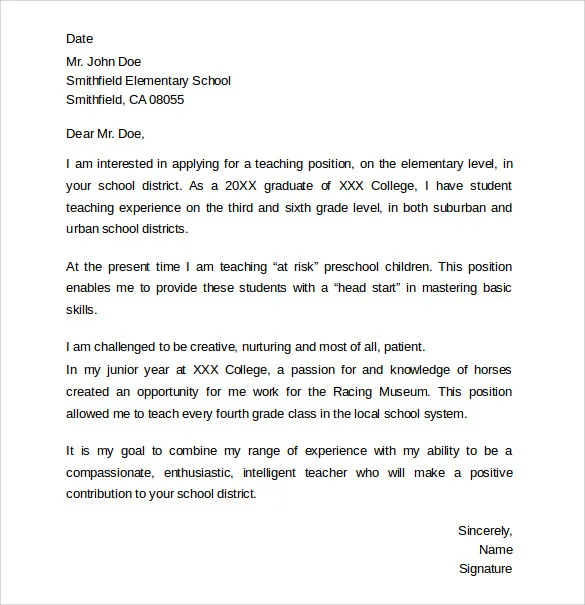
Your education is a cornerstone of your professional profile, especially when you’re applying for entry-level positions or roles that value specific academic qualifications. In your cover letter, you should strategically highlight your educational background to align with the job requirements. Begin by mentioning the name of your institution, the degree you earned, and the year of graduation. If your degree is highly relevant to the job, make sure to place this information prominently. Moreover, you should include any academic achievements, such as honors, awards, or a high GPA (if it’s advantageous). For example, if a job description emphasizes analytical skills, you might mention relevant coursework, research projects, or thesis topics that demonstrate your ability to analyze data. Keep it concise, focus on the most relevant aspects of your education, and tailor the information to mirror the keywords and requirements found in the job posting. This ensures that your cover letter clearly demonstrates the value your education brings to the role.
Structuring Your Cover Letter

A well-structured cover letter is easy to read and highlights your key qualifications. Begin with a professional header that includes your contact information and the date, followed by the recipient’s details. The opening paragraph should grab the reader’s attention; clearly state the position you’re applying for and where you saw the job posting. The body of your letter should be the core of your argument, where you elaborate on your skills and experiences. Use this section to show how your qualifications match the job requirements by providing specific examples from your past experiences, and use keywords from the job description to make your cover letter stand out to the Applicant Tracking System (ATS). Always make sure to proofread for grammar and spelling errors. The final paragraph should reaffirm your interest in the role and invite the reader to contact you for an interview. Use a professional closing, such as “Sincerely” or “Best regards,” followed by your full name. A clear structure helps the hiring manager quickly understand why you’re a good fit.
Top 5 Tips to Impress
Tailor It to the Role
Generic cover letters are easily spotted and often disregarded. To impress, you must customize your cover letter for each job application. Start by thoroughly reviewing the job description and identifying the key skills and qualifications the employer seeks. Then, carefully tailor your letter to highlight your relevant experiences and how your skills align with the specific requirements of the position. Use keywords from the job description throughout your cover letter to demonstrate your understanding of the role and your suitability. Research the company and mention your knowledge of their mission, values, or recent projects to show your genuine interest. Avoid simply restating your resume; instead, use the cover letter to elaborate on specific achievements or experiences that make you a strong candidate for that role. By taking the time to tailor your cover letter, you demonstrate your commitment and increase your chances of making a positive impression.
Show, Don’t Just Tell

Instead of just stating your skills and abilities, demonstrate them through specific examples and achievements. For instance, if you claim to be a strong communicator, provide an example of a project where you effectively communicated with a team to achieve a specific goal. If you possess leadership skills, describe a situation where you successfully led a project or team. Using the STAR method (Situation, Task, Action, Result) is an effective way to structure your examples. Describe the situation, the task you were assigned, the actions you took, and the positive results you achieved. This approach not only provides concrete evidence of your capabilities but also makes your cover letter more engaging and memorable. Concrete examples provide compelling proof and help the hiring manager visualize your capabilities, leaving a lasting positive impression.
Quantify Your Achievements
Numbers and metrics bring your accomplishments to life and provide tangible evidence of your impact. Whenever possible, quantify your achievements to illustrate your contributions. Instead of saying “Improved customer service,” you could state “Improved customer satisfaction scores by 15% through implementing a new training program.” Similarly, if you increased sales or managed a budget, include the specific amounts or percentages to showcase your value. Quantifying your achievements provides concrete evidence of your effectiveness and makes your accomplishments more persuasive. This approach not only demonstrates your achievements but also shows your ability to track and measure results, a valuable skill in any professional setting. Including numbers gives the hiring manager a clear understanding of your impact and makes your application more compelling.
Proofread Meticulously
Errors in your cover letter, such as spelling and grammatical mistakes, can undermine your credibility and convey a lack of attention to detail. Proofreading is a non-negotiable step in the job application process. Ensure that your cover letter is free of errors by thoroughly reviewing it multiple times. Use spell-check and grammar-check tools, but don’t rely on them solely; these tools can miss subtle errors. Consider having a trusted friend, family member, or career counselor read your cover letter for a fresh perspective. A second pair of eyes can often spot mistakes that you might overlook. Correct grammar and proper spelling demonstrate your professionalism, attention to detail, and respect for the recipient. Proofreading will also help your resume be more visually appealing.
Follow Up Appropriately

After submitting your cover letter and resume, a follow-up can show your continued interest and professionalism. However, it’s important to follow up appropriately to avoid appearing pushy or annoying. Generally, it is acceptable to send a polite follow-up email or make a phone call about one week after the application deadline or after you’ve been told a decision will be made. In your follow-up, briefly reiterate your interest in the position, restate your relevant skills, and ask if the hiring manager needs any further information from you. Thank the person for their time and consideration. If you don’t hear back after a reasonable amount of time, you can send a second follow-up, but avoid excessive communication. A well-timed and professional follow-up can keep you at the forefront of the hiring manager’s mind and show your enthusiasm for the opportunity.
Cover Letter Closing Remarks
Writing a cover letter can be a daunting task, but with these tips, you can create a compelling document that showcases your qualifications and increases your chances of landing an interview. Remember to highlight your education, structure your letter effectively, tailor it to each role, demonstrate your skills with examples, and quantify your achievements. Proofread meticulously and follow up professionally. By following these guidelines, you can create a cover letter that not only grabs the attention of hiring managers but also leaves a lasting positive impression.