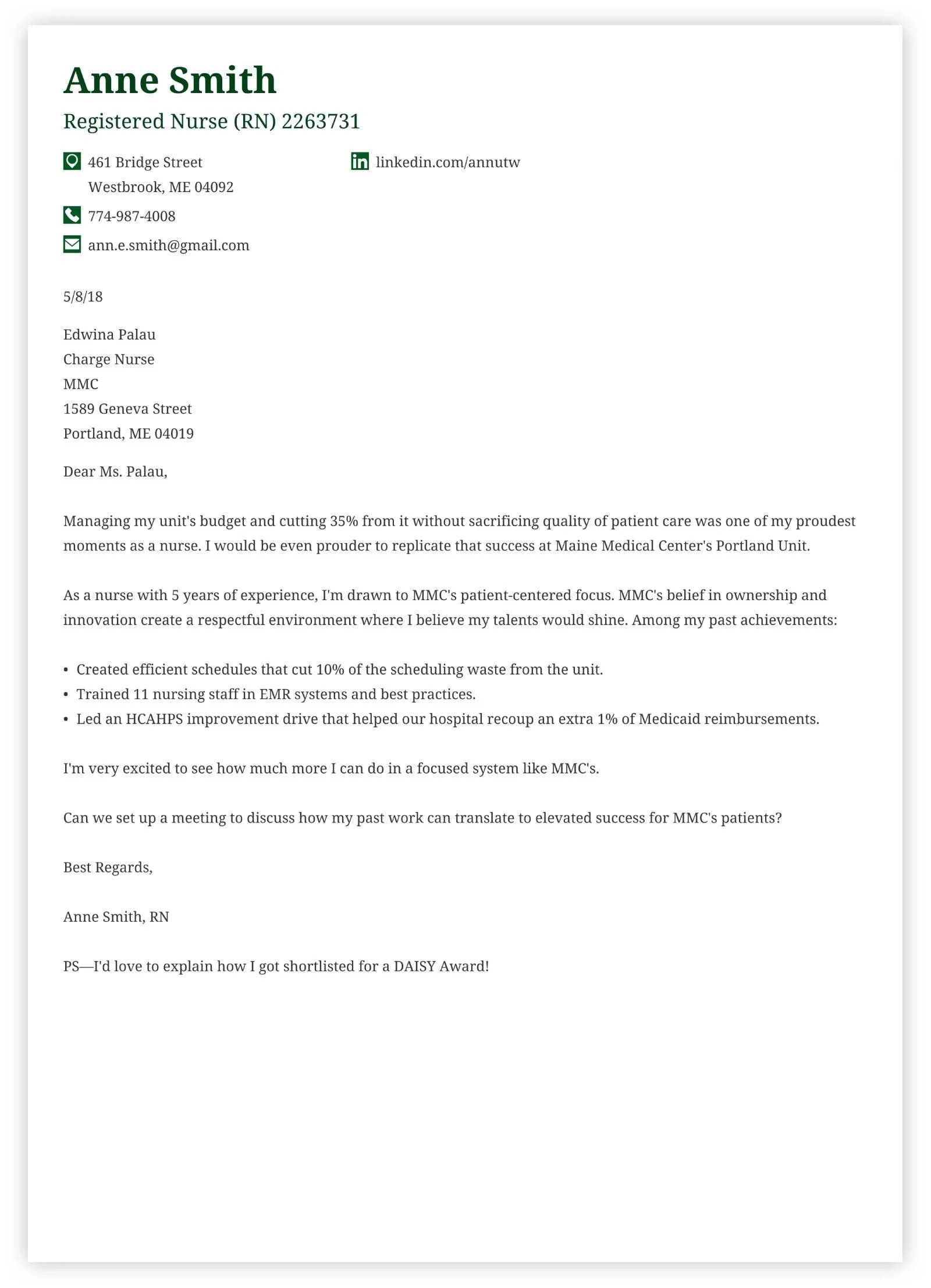
The Cover Letter Top 5 Secrets
A cover letter is your first impression, a crucial tool in your job-hunting arsenal. It’s your chance to introduce yourself, showcase your skills, and explain why you’re a perfect fit for the role and the company. Many job seekers fail to grasp the importance of a well-crafted cover letter, seeing it as a mere formality. However, a compelling cover letter can significantly increase your chances of landing an interview. This guide unveils the top 5 secrets to creating a cover letter that grabs attention and gets you noticed, leading to your dream job.
Secret 1: Tailor Your Cover Letter
Generic cover letters are easily spotted and often discarded. The first secret to a winning cover letter is personalization. Employers can tell when you’ve taken the time to understand their needs and how your skills align with them. Tailoring your cover letter demonstrates genuine interest in the specific position and company, setting you apart from the flood of generic applications. This isn’t about simply changing the name of the company; it’s about showcasing your understanding of their mission, values, and the specific requirements of the job.
Why Tailoring Matters

Tailoring your cover letter shows you’ve done your homework. It proves that you’re not just sending out mass applications but are genuinely interested in the specific opportunity. This demonstrates initiative, attention to detail, and a proactive approach to your job search. Recruiters and hiring managers appreciate the effort and are more likely to consider your application seriously. A personalized cover letter makes your application resonate with the specific needs and challenges of the hiring company, making you seem like a solution to their problems.
How to Research the Company
Before you even start writing, research the company. Visit their website, read their “About Us” page, and explore their social media profiles. Identify their core values, mission statement, recent news, and any specific projects or initiatives they’re working on. Use this information to customize your cover letter. Mention specific company achievements, demonstrate your understanding of their industry, and explain how your skills and experiences align with their goals. This research allows you to speak directly to the company’s needs, making you a more compelling candidate.
Secret 2: Highlight Relevant Skills
Your resume provides a detailed overview of your experience, but your cover letter is the place to emphasize the skills most relevant to the job. Carefully review the job description and identify the key skills and qualifications the employer is seeking. Then, highlight your accomplishments and experiences that demonstrate those skills. Don’t just list your skills; provide specific examples of how you’ve used them to achieve results. This section is about connecting your experience to the employer’s specific needs, making you an immediately appealing candidate.
Identifying Key Skills

The job description is your roadmap. Scour it for keywords and phrases that describe the required skills and qualifications. Make a list of these key skills. Then, review your own experience and identify instances where you’ve successfully demonstrated these skills. Think about projects you’ve completed, problems you’ve solved, and accomplishments you’re proud of. Consider both hard skills (technical abilities) and soft skills (communication, teamwork, problem-solving) that are applicable to the role. By aligning your skills with the job requirements, you increase your chances of making a strong impression.
Quantifying Your Achievements
Don’t just say you’re a good project manager; show it. Quantify your achievements whenever possible. Use numbers, percentages, and specific data to demonstrate the impact of your work. For example, instead of saying “Improved customer satisfaction,” say “Increased customer satisfaction scores by 15% within six months.” Quantifying your achievements adds credibility and demonstrates the tangible value you can bring to the role. It provides concrete evidence of your skills and accomplishments, setting you apart from candidates who make vague claims.
Secret 3: Show, Don’t Tell
Instead of simply stating your skills and qualities, show them through your writing. Use anecdotes, examples, and specific situations to illustrate your abilities. Bring your experience to life by creating a narrative that engages the reader and makes your application more memorable. This means moving away from generic statements and towards compelling stories that demonstrate your value. Your cover letter should be a testament to your experience rather than just a list of skills.
Using Action Verbs Effectively

Start your sentences with strong action verbs that describe your accomplishments. Avoid passive language and choose verbs that convey energy and initiative. For example, instead of writing “Responsible for managing projects,” write “Managed projects, delivering them on time and under budget.” Use a variety of action verbs to keep your writing dynamic and engaging. This helps create a vivid image of your capabilities in the mind of the reader.
Examples of Showing vs Telling
Telling: “I am a good communicator.” Showing: “Successfully presented project proposals to cross-functional teams, securing approval for a new marketing campaign.” Telling: “I have strong leadership skills.” Showing: “Led a team of five through a challenging project, resulting in a 10% increase in efficiency.” The “showing” examples provide concrete evidence and are far more impactful than simply stating a skill. This is about offering your reader a window into your professional past. It’s about bringing your past to life.
Secret 4: Proofread Meticulously
Typos, grammatical errors, and inconsistencies can undermine your credibility and suggest a lack of attention to detail. Proofreading is an essential step in the cover letter writing process. It’s the final quality check that can make the difference between getting an interview and being overlooked. A polished cover letter reflects professionalism and demonstrates respect for the employer. It shows that you care enough to make a good first impression, setting a positive tone for your application.
Common Grammar and Spelling Errors

Be aware of common errors such as subject-verb agreement, incorrect tense usage, and misspelled words. Pay close attention to punctuation and capitalization. Mistakes in your cover letter can damage your chances, as they make it look like you did not review the document before sending it in. Double-check proper nouns, company names, and the name of the hiring manager to avoid making a bad first impression.
Tools for Proofreading
Use spell-check and grammar-check tools, but don’t rely on them exclusively. These tools can catch many errors but may miss context-related mistakes. Always read your cover letter aloud to catch awkward phrasing and missing words. Ask a friend, family member, or career counselor to proofread your cover letter. Another set of eyes can often spot errors that you’ve missed. A fresh perspective can also help make your writing more clear and concise.
Secret 5: Formatting for Impact
Presentation matters. The formatting of your cover letter can significantly impact the reader’s first impression. A well-formatted cover letter is easy to read, visually appealing, and professional. Choose a clean, simple layout and use clear fonts and spacing. The goal is to make it easy for the hiring manager to quickly scan the document and grasp the key information. A clean and concise format is a sign of professionalism and attention to detail.
Choosing the Right Font and Layout

Select a professional and readable font such as Times New Roman, Arial, or Calibri. Use a font size between 10 and 12 points. Use a standard one-inch margin on all sides. Use white space effectively to break up text and make the document less daunting to read. Keep paragraphs concise, and use bullet points to highlight key skills and accomplishments. The layout should be easy on the eyes and guide the reader through the information. Consider using bolding for headings and subheadings.
Contact Information
Include your contact information at the top of your cover letter, including your name, phone number, email address, and LinkedIn profile URL (optional). Make sure your email address is professional. Double-check that all information is accurate and up-to-date. This makes it easy for the hiring manager to contact you if they’re interested in scheduling an interview. Your contact information should be clear, concise, and easy to find.
Following these 5 secrets will dramatically improve your cover letters and your chances of success. By tailoring your letter, highlighting the right skills, showing rather than telling, proofreading meticulously, and formatting for impact, you can create a cover letter that impresses hiring managers and lands you an interview. Remember, your cover letter is more than just a document; it is a marketing tool that showcases your best self. Use these secrets to make yours shine!