Why a Cover Letter Matters
In the competitive world of job applications, a cover letter is your first impression, your personal introduction to a potential employer. It’s the document that provides context to your resume, allowing you to expand on your skills and experiences in a way that a resume cannot. A well-crafted cover letter can significantly increase your chances of landing an interview, showcasing your personality, enthusiasm, and genuine interest in the position and the company. It’s an opportunity to demonstrate your communication skills and to show why you are the perfect fit for the role. Remember, a cover letter is not just a formality; it’s a powerful tool in your job-seeking arsenal. It provides a space to connect with the hiring manager on a personal level, displaying your unique value proposition and showing that you are more than just a list of qualifications.
Highlighting Your Skills and Experience
Your cover letter is the perfect place to shine a spotlight on the skills and experiences that align directly with the job requirements. Instead of simply restating your resume, use this space to elaborate on your accomplishments. Provide specific examples of how you’ve applied your skills to achieve positive outcomes in previous roles. Quantify your achievements whenever possible; for example, instead of saying “managed social media,” you could say “increased social media engagement by 30% in six months.” Focus on the most relevant experiences and tailor the details to match what the employer is seeking. This demonstrates a clear understanding of the job’s needs and your ability to meet them. Moreover, the cover letter allows you to highlight soft skills like communication, teamwork, and problem-solving, which are crucial but often harder to showcase in a resume.
Tailoring Your Letter to the Job

One of the most critical cover letter tips is to personalize each letter for the specific job you’re applying for. A generic cover letter is easily spotted and often disregarded. The goal is to show the hiring manager that you’ve done your homework and are genuinely interested in the position and the company. This involves more than just changing the job title in the salutation. It requires a deep dive into the job description and the company’s mission, values, and culture. By demonstrating this level of engagement, you show that you are taking your application seriously, which significantly increases your chances of success. Make sure to address the key requirements listed in the job description and demonstrate how your skills and experience align with them.
Researching the Company
Before you start writing, conduct thorough research on the company. Visit their website, read their ‘About Us’ page, and explore their social media profiles. Understand their mission, values, and recent news or projects. This knowledge will allow you to tailor your letter to their specific needs and show that you’re genuinely interested in working there. Mention specific aspects of the company that resonate with you, whether it’s their commitment to innovation, their company culture, or their impact on the community. This shows that you’ve taken the time to learn about them and are not just sending out a mass application.
Analyzing the Job Description
Carefully analyze the job description to identify the key requirements, skills, and responsibilities. Look for keywords and phrases that the employer uses to describe the ideal candidate. Incorporate these keywords naturally into your cover letter. This not only helps your application get noticed by applicant tracking systems (ATS) but also shows the hiring manager that you understand what the role entails. Identify the top three to five requirements and provide specific examples of how your experience and skills match those needs. Address each requirement in a clear and concise manner, demonstrating your ability to fulfill the role’s duties and expectations.
Formatting Your Cover Letter

The formatting of your cover letter is just as important as its content. A well-formatted letter is easy to read and visually appealing. Poor formatting can make your letter look unprofessional and potentially lead to it being overlooked. Pay close attention to the layout, font, and overall presentation to ensure that your cover letter makes a positive impression. The goal is to create a document that is both informative and aesthetically pleasing, making it easy for the hiring manager to grasp your qualifications and interest at a glance.
Choosing the Right Font and Size
Select a professional and easy-to-read font, such as Times New Roman, Arial, or Calibri. The font size should be between 10 and 12 points to ensure readability. Avoid using overly decorative or unusual fonts, as they can distract from the content and make your letter look unprofessional. Consistency is also key; use the same font throughout the document, including your resume. Proper font choice and size contribute to a polished appearance, making your letter more appealing and accessible to the reader. This attention to detail reflects your professionalism and attention to detail, qualities that employers value.
Cover Letter Structure
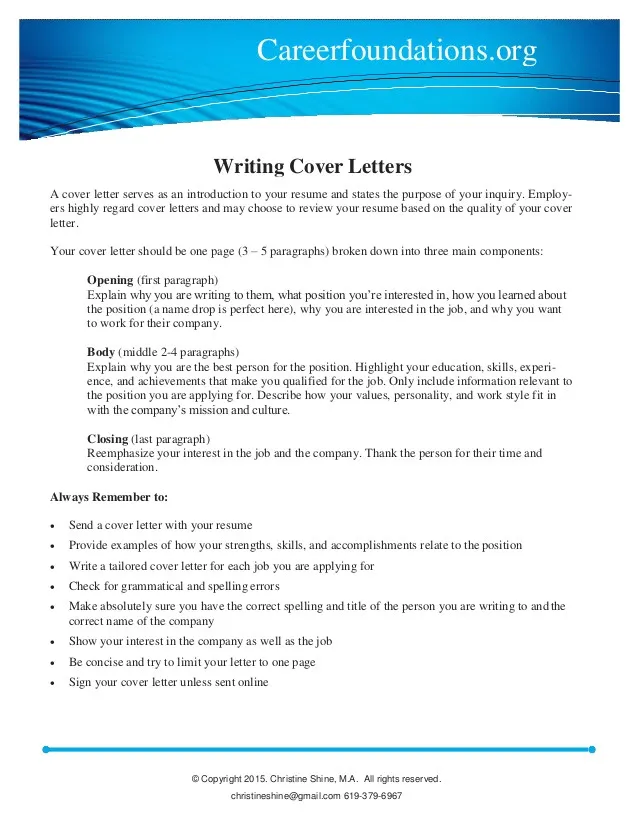
A well-structured cover letter follows a clear and logical format, typically including an opening paragraph, body paragraphs, and a closing paragraph. The structure provides a framework for presenting your qualifications and enthusiasm in a concise and engaging manner. Ensure that each section serves a specific purpose and contributes to your overall message. A consistent structure ensures that you cover all the necessary points and make a strong impression on the hiring manager. This structure is a roadmap, helping you guide the reader through your skills, experiences, and genuine interest in the role.
Opening Section

Start your cover letter with a professional greeting and a clear statement of the position you’re applying for. If possible, address the hiring manager by name. This shows that you’ve taken the time to personalize your application. In the opening paragraph, immediately capture the reader’s attention by stating why you are interested in the position and what you can offer. Briefly mention your key qualifications and experiences. This opening sets the tone for the rest of your letter and makes a positive first impression. Make it clear from the start that you’re a strong candidate and excited about the opportunity.
Body Paragraphs
The body paragraphs should highlight your relevant skills and experiences in detail. Use specific examples to illustrate how you’ve applied your skills in past roles and achieved positive results. Tailor these examples to match the job requirements, showcasing your understanding of the role and your ability to excel. Include quantifiable achievements whenever possible; for example, mention how you improved sales, reduced costs, or increased efficiency. Use action verbs to describe your responsibilities and achievements. Each paragraph should focus on a specific skill or experience, making it easy for the reader to understand your value proposition.
Closing Section
In your closing paragraph, reiterate your interest in the position and thank the hiring manager for their time and consideration. Express your enthusiasm for the opportunity and mention your availability for an interview. Reiterate your contact information. Keep the closing concise and professional, summarizing your key qualifications and reinforcing your suitability for the role. End with a strong call to action, such as ‘I look forward to hearing from you soon’ or ‘Thank you for considering my application’. A strong closing leaves a lasting impression and encourages the hiring manager to take the next step.
Proofreading and Editing Your Cover Letter

Proofreading and editing your cover letter is crucial for ensuring accuracy and professionalism. Errors in grammar, spelling, or punctuation can undermine your credibility and suggest a lack of attention to detail. Take the time to carefully review your letter before submitting it, and consider having a friend or family member read it as well. A fresh pair of eyes can often catch mistakes that you might have missed. Using grammar and spell-check tools is also recommended. The final version should be polished, error-free, and ready to make a positive impression.
Common Cover Letter Mistakes
Avoiding common cover letter mistakes is essential for maximizing your chances of success. These errors can range from failing to tailor your letter to the job description to using generic language that doesn’t showcase your unique qualifications. By knowing and avoiding these pitfalls, you can ensure that your cover letter stands out for the right reasons. Being aware of these mistakes and making the necessary corrections will greatly improve the effectiveness of your application, signaling your attention to detail and professionalism. Avoiding these errors helps you present yourself as a well-prepared and capable candidate.
Ignoring the Job Description
One of the most significant mistakes is failing to address the specific requirements outlined in the job description. Simply sending a generic cover letter without tailoring it to the role signals a lack of interest and attention to detail. Your cover letter should directly respond to the needs of the employer by highlighting relevant skills and experiences. Demonstrate that you understand the role by using keywords from the job description and providing examples of how you meet the required qualifications. Ignoring the job description indicates that you are not truly invested in the position and reduces your chances of getting an interview.
Using Generic Language

Avoid using generic phrases and clichés that don’t provide any specific information about your qualifications. Phrases such as ‘I am a team player’ or ‘I am a hard worker’ are overused and don’t differentiate you from other candidates. Instead, provide concrete examples to support these claims. For instance, describe a specific situation where you demonstrated teamwork or hard work, and the positive outcomes that resulted. Use active language and quantify your achievements whenever possible. Generic language makes your letter sound impersonal and unmemorable. The more specific and personalized your language, the stronger your application will be.
Not Proofreading
Failing to proofread your cover letter is a critical mistake that can undermine your credibility. Errors in spelling, grammar, and punctuation can make your letter appear unprofessional and suggest a lack of attention to detail. Always proofread your letter carefully before submitting it, and consider having someone else review it as well. A second pair of eyes can often catch mistakes that you might have missed. Proofreading ensures that your letter is polished and professional, making a positive impression on the hiring manager. A well-proofread cover letter is a sign of your commitment to quality and your desire to present yourself in the best possible light.
Call to Action Requesting an Interview
The goal of your cover letter is to secure an interview, so include a clear call to action. In the closing paragraph, express your enthusiasm for the opportunity and state your availability for an interview. Reiterate your contact information. Make it easy for the hiring manager to take the next step by explicitly inviting them to contact you. A strong call to action shows that you are proactive and eager to move forward in the hiring process. By making it clear that you are available and ready for an interview, you increase your chances of getting a positive response and advancing your job application.