In the competitive landscape of job applications, a compelling cover letter is your secret weapon. It’s your chance to make a strong first impression, showcasing not just your skills but also your personality and enthusiasm for the role. Crafting a cover letter that impresses requires attention to detail, strategic thinking, and a clear understanding of what employers seek. This guide dives into the essential cover letter tips that will help you stand out from the crowd and significantly increase your chances of landing an interview. From structuring your letter effectively to highlighting your value and avoiding common pitfalls, we’ll cover everything you need to know to write a cover letter that captivates and convinces.
Cover Letter: Making a Strong First Impression
Cover Letter’s Purpose
The primary purpose of a cover letter is to introduce yourself and demonstrate how your skills and experiences align with the job requirements and the company’s needs. It’s an opportunity to go beyond your resume and provide a narrative that highlights your achievements, explains your career goals, and expresses your genuine interest in the position. A well-written cover letter can set the tone for your entire application, making it more likely that your resume will be reviewed and that you’ll be invited for an interview. Think of it as your personal sales pitch, designed to persuade the hiring manager that you are the best candidate for the job.
Highlighting Your Value

A key element of an impressive cover letter is the ability to clearly communicate your value proposition. This means focusing on what you can offer the company, rather than simply listing your past responsibilities. Identify the key skills and experiences that are most relevant to the job description and provide specific examples of how you’ve used them to achieve positive results in the past. This could include quantifying your accomplishments with numbers, such as increasing sales by a certain percentage, reducing costs, or improving efficiency. By highlighting your value, you demonstrate to the employer that you are a results-oriented individual who can contribute to their success.
Researching the Company
Before you even begin to write your cover letter, conduct thorough research on the company and the specific role you’re applying for. This will enable you to tailor your letter to the company’s needs and demonstrate your genuine interest in the opportunity. Visit the company’s website, read their mission statement, and review recent news and announcements. Research the hiring manager on LinkedIn to understand their background and interests. By showing that you understand the company’s values, culture, and goals, you prove that you’ve taken the time to understand the opportunity and are serious about joining their team.
Cover Letter Structure and Format
Header and Contact Information

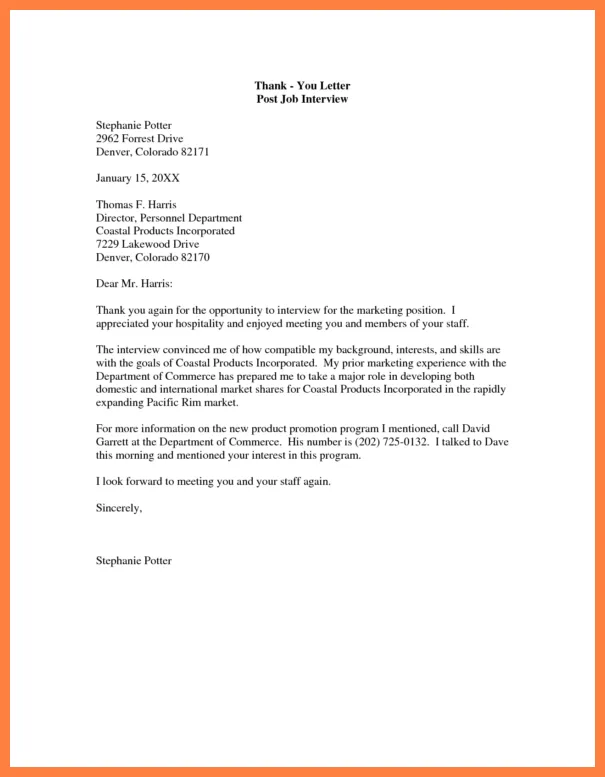
Your cover letter should begin with a professional header that includes your contact information, such as your name, phone number, email address, and LinkedIn profile URL. This makes it easy for the hiring manager to contact you. Include the date and the recipient’s contact information as well. Always address the hiring manager by name if you can find it. If you can’t find a specific name, use a professional salutation like “Dear Hiring Manager”.
Greeting
The greeting sets the tone for your cover letter. Avoid generic greetings. Research the name of the hiring manager and use it. If a name is not available, opt for a professional greeting like “Dear Hiring Manager.” Avoid outdated or casual greetings. Make sure the greeting aligns with the overall tone of the letter; it should be professional and respectful.
Body Paragraphs
The body of your cover letter should consist of well-structured paragraphs that flow logically. Begin with a brief introduction that states the position you’re applying for and how you learned about it. The subsequent paragraphs should showcase your skills, experiences, and achievements, aligning them with the job description. Keep your paragraphs concise and focused, using strong action verbs and specific examples to support your claims. Tailor your body paragraphs to highlight the most relevant information and showcase how you can benefit the company.
Closing and Call to Action

Conclude your cover letter with a strong closing paragraph that reiterates your interest in the position and expresses your enthusiasm for the opportunity. Include a call to action, such as inviting the hiring manager to contact you for an interview. Thank the hiring manager for their time and consideration, and use a professional closing, such as “Sincerely” or “Best regards.” Ensure your closing is concise and leaves a positive lasting impression.
Writing an Effective Body
Showcasing Skills and Achievements
The body of your cover letter is where you can truly shine. It’s the section where you demonstrate how your skills and achievements align with the job requirements. Carefully review the job description and identify the key skills and experiences the employer is seeking. Then, for each skill or experience, provide a specific example of how you’ve demonstrated it in the past. Use the STAR method (Situation, Task, Action, Result) to structure your examples and make them more impactful. This approach will allow you to provide a compelling narrative that showcases your abilities and accomplishments.
Quantifying Accomplishments

Whenever possible, quantify your accomplishments with numbers and data. This is a powerful way to demonstrate the impact you’ve had in previous roles and to make your claims more credible. Instead of saying, “I improved customer satisfaction,” say “I improved customer satisfaction by 15% through implementing a new feedback system.” By quantifying your achievements, you provide tangible evidence of your value and make it easier for the hiring manager to understand the benefits you can bring to the company.
Tailoring to the Job Description
A generic cover letter is unlikely to impress a hiring manager. To write an effective cover letter, it’s essential to tailor it to each specific job you apply for. Carefully read the job description and identify the key requirements and qualifications. Then, in your cover letter, highlight the skills and experiences that directly align with those requirements. This shows the employer that you’ve taken the time to understand their needs and are genuinely interested in the position. This level of personalization will significantly increase your chances of getting noticed.
Common Mistakes
Typos and Grammatical Errors

Typos and grammatical errors can be a major turn-off for hiring managers. They indicate a lack of attention to detail and can make you appear unprofessional. Before submitting your cover letter, carefully proofread it for any errors in spelling, grammar, punctuation, and sentence structure. Consider having a friend, family member, or career counselor review your letter as well. A fresh pair of eyes can often catch mistakes that you might have missed. Always use spell-check and grammar-check tools, but remember that they are not foolproof, so manual proofreading is always necessary. A polished and error-free cover letter demonstrates your professionalism and commitment to excellence.
Generic Content
Avoid using generic content that could apply to any job. Hiring managers can easily spot generic cover letters, and they won’t impress them. Tailor your cover letter to each specific job, highlighting the skills and experiences that are most relevant to the position. Demonstrate your knowledge of the company and your interest in the role. Provide specific examples of your achievements and quantify your results whenever possible. Generic content demonstrates a lack of effort and shows that you are not truly interested in the opportunity.
Ignoring Instructions
Carefully read and follow all instructions provided in the job posting. Some employers may ask you to include specific information, format your letter in a certain way, or submit it through a particular system. Failing to follow these instructions can result in your application being automatically rejected. Pay close attention to detail and ensure that you meet all requirements before submitting your cover letter. If the instructions are unclear, don’t hesitate to contact the hiring manager or recruiter for clarification.
Proofreading and Editing

Using a Professional Tone
Maintain a professional and respectful tone throughout your cover letter. Avoid using slang, informal language, or overly casual expressions. Use formal language and proper grammar, and ensure your writing is clear, concise, and easy to understand. Your cover letter is a reflection of your professionalism, so it’s essential to present yourself in a positive and polished manner. Use a professional font like Times New Roman or Arial, and maintain consistent formatting throughout the letter. Your tone should reflect your respect for the company and the opportunity.
Seeking Feedback
Before submitting your cover letter, seek feedback from trusted sources, such as career counselors, mentors, or friends. Ask them to review your letter for clarity, accuracy, and overall effectiveness. They can provide valuable insights and help you identify any areas that need improvement. Be open to constructive criticism and use it to refine your cover letter. The more you refine your cover letter, the better your chances of impressing a hiring manager and landing an interview. Feedback is a crucial part of the writing process, and it can significantly improve the quality of your cover letter.
In conclusion, writing an effective cover letter is a crucial step in the job application process. By following the tips and guidelines outlined in this guide, you can create a cover letter that makes a strong first impression, showcases your value, and significantly increases your chances of landing an interview. Remember to tailor your cover letter to each specific job, proofread carefully, and seek feedback from trusted sources. With the right approach, you can craft a cover letter that captures the attention of hiring managers and helps you achieve your career goals.