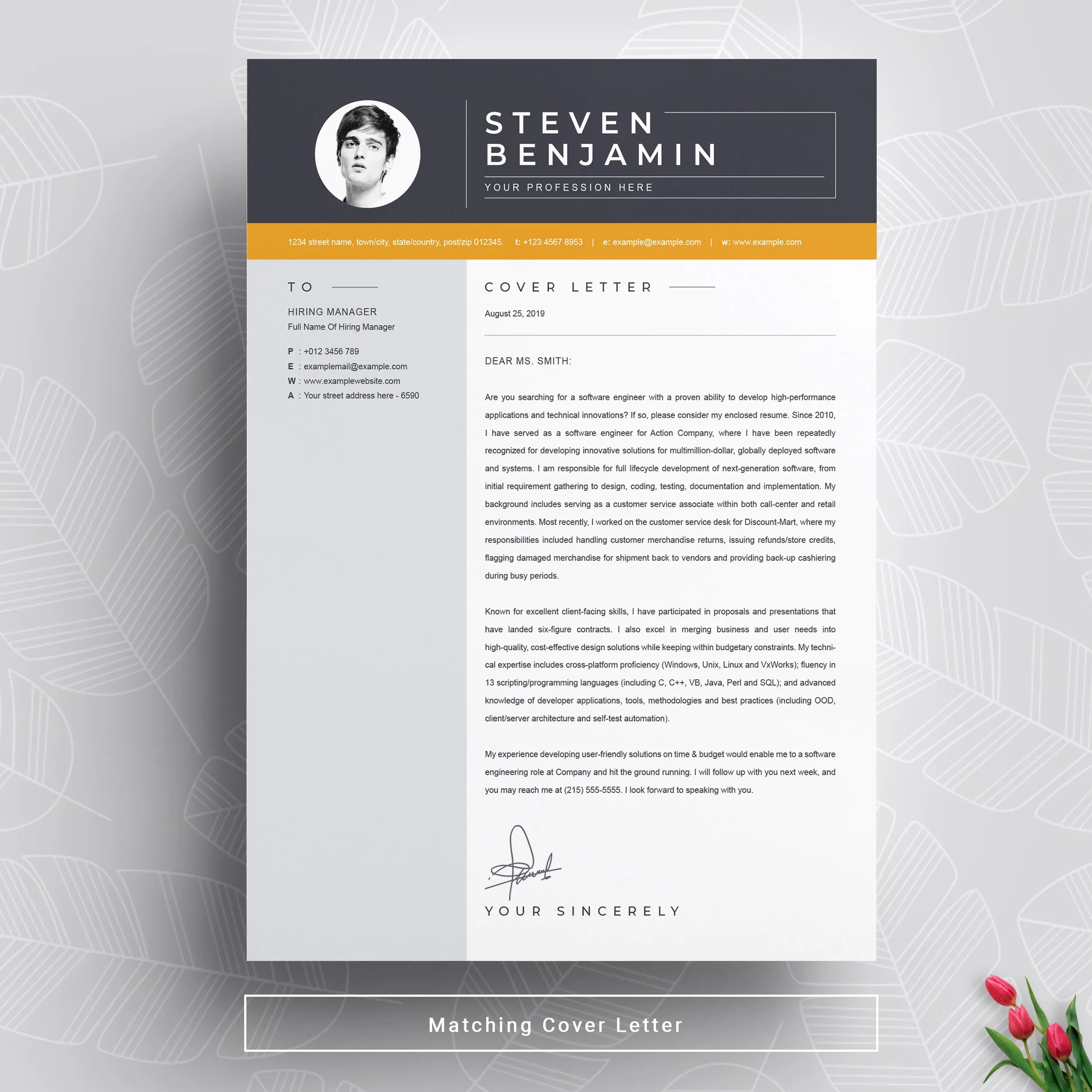
What is a Cover Letter and Why Do You Need One?
A cover letter is a crucial document that accompanies your resume when you apply for a job. It serves as your introduction to a potential employer, providing an opportunity to showcase your personality, skills, and enthusiasm for the position. While your resume provides a factual overview of your experience and qualifications, the cover letter allows you to tell your story, highlighting how your background aligns with the specific requirements of the role and the company’s values. In today’s competitive job market, a well-crafted cover letter can significantly increase your chances of getting noticed and securing an interview. It’s your chance to make a strong first impression and demonstrate why you’re the ideal candidate.
Key Components of a Winning Cover Letter
To create a winning cover letter, you need to include several key elements. Each section plays a vital role in presenting you as a well-rounded and suitable candidate. A strong cover letter is not just about listing your skills; it’s about demonstrating how you’ve utilized those skills to achieve results and how they align with the specific job requirements. Remember that personalization is key; generic cover letters rarely make a lasting impression. Take the time to research the company and the role, then tailor your letter to reflect your understanding of their needs and your ability to meet them.
Contact Information

Start with your contact information at the top of the cover letter. This should include your name, phone number, email address, and optionally, your LinkedIn profile URL. This allows the hiring manager to quickly and easily reach you. Ensure that your email address is professional; avoid using nicknames or informal language. Consistency is critical here, so use the same contact details as those on your resume. Keeping your contact information clear and easy to find is a sign of professionalism and helps the hiring manager initiate contact promptly if you are selected for an interview.
Opening Paragraph
The opening paragraph is your first opportunity to capture the reader’s attention. Start by stating the specific position you’re applying for and how you found out about it. Briefly mention something that sparked your interest in the role or company. This could be a specific project, the company’s mission, or a recent achievement. Your opening paragraph should be concise, enthusiastic, and clearly state your intention to apply. Avoid generic greetings like ‘Dear Hiring Manager’; instead, try to find the name of the person you are addressing the letter to. This shows you’ve taken the time to research the company, which gives you a competitive edge from the start.
Body Paragraphs
The body paragraphs are where you elaborate on your skills, experience, and how they align with the job requirements. Use these paragraphs to highlight specific achievements and provide examples of your accomplishments. Quantify your results whenever possible. Instead of just saying you ‘managed projects,’ specify the number of projects, the budgets involved, or the results achieved. Tailor your content to match the key requirements outlined in the job description, demonstrating how your skills and experience make you a perfect fit. Focus on demonstrating how you can provide value to the company and what you can bring to the team. This is where you connect your past experiences with the role you’re applying for.
Closing Paragraph

In the closing paragraph, express your enthusiasm for the opportunity and reiterate your interest in the position. Thank the hiring manager for their time and consideration. Clearly state your availability for an interview and how they can contact you. Avoid clichés and aim for a confident and professional tone. If possible, mention something specific you learned about the company that further solidified your interest. A strong closing paragraph leaves a lasting positive impression and encourages the hiring manager to take the next step, increasing your chances of landing an interview.
How to Choose the Right Template
Choosing the right template is crucial for creating a professional-looking cover letter. It ensures your document is organized, easy to read, and visually appealing. Many free cover letter templates are available online, but you must select one that aligns with your brand and the specific job you are applying for. Consider the industry you’re in and the company culture. Some industries might prefer a more traditional layout, while others embrace creativity. When choosing a template, prioritize readability, ensuring the font is clear and the layout is not too cluttered. Ensure your chosen template is compatible with your word processor and that it can be easily customized to fit your needs.
Word vs Other Formats
Microsoft Word is a widely accepted format for cover letters, offering a range of templates and customization options. Its prevalence ensures that most employers can easily open and view your document. However, if you’re using a more specialized template, ensure it saves well. Other formats, such as Google Docs, are also viable, especially if you’re collaborating on your letter or need to access it from multiple devices. However, consider saving your final version as a PDF to maintain the formatting and ensure it looks the same on all devices. This prevents any potential issues caused by different versions of word processors or operating systems. The most important thing is that your template is easily accessible and modifiable by you.
Template Design and Readability

The design of your cover letter template should enhance readability, not detract from it. Opt for a clean and uncluttered layout, with sufficient white space to make your content easy to scan. Choose a professional font such as Times New Roman, Arial, or Calibri, ensuring it’s easy on the eyes. Avoid using excessively large or small font sizes. Keep your text aligned and your paragraphs properly spaced. A well-designed template should guide the reader through the document, emphasizing the most important information without overwhelming them. The goal is to present your content clearly and concisely, making it easy for the hiring manager to quickly understand your qualifications and enthusiasm for the role.
Customizing Your Template for the Job
Once you’ve chosen a template, customizing it for the specific job is essential. This involves tailoring the content to match the job description and highlighting your relevant skills and experiences. You must move beyond a one-size-fits-all approach and personalize your letter for each application. Tailoring your cover letter demonstrates your genuine interest in the role and the company, making you stand out from other candidates. It showcases your attention to detail, which is a desirable quality in any potential employee. Customization involves more than just changing the name of the company; it requires you to carefully consider the job requirements and highlight the aspects of your background that align with those needs.
Tailoring Your Content
Tailoring your content means aligning the information in your cover letter with the specific requirements of the job description. Carefully review the job posting and identify the key skills, experiences, and qualifications the employer is seeking. Highlight those aspects of your background that directly match these requirements. Use the same keywords and phrases as those used in the job description, but naturally within the context of your writing. This helps the hiring manager quickly see that you possess the necessary skills. Provide specific examples of how you have demonstrated these skills in previous roles, using quantifiable results whenever possible. This helps to illustrate the value you would bring to the position and makes your application more compelling.
Formatting Your Cover Letter

Formatting your cover letter correctly is essential for creating a professional and readable document. Use a standard font, such as Times New Roman, Arial, or Calibri, at a readable size (11 or 12 points). Ensure your text is properly aligned, and use clear headings and subheadings to structure the content. Maintain consistent spacing between paragraphs and sections. Proofread your letter carefully to eliminate any grammatical errors or typos, which can detract from your professionalism. Pay attention to the overall layout, making sure your cover letter is visually appealing and easy to navigate. A well-formatted cover letter shows that you are detail-oriented and can present information clearly.
Proofreading and Editing
Proofreading and editing are critical steps in the cover letter writing process. Errors, no matter how small, can undermine your credibility and create a negative impression on the hiring manager. Always proofread your cover letter multiple times, checking for grammatical errors, spelling mistakes, and typos. Read your letter aloud to catch any awkward phrasing or inconsistencies in your writing. Ask a friend or family member to review your cover letter for feedback. A second pair of eyes can often identify mistakes that you might have missed. Taking the time to proofread and edit your cover letter shows your attention to detail and commitment to presenting yourself in the best possible light.
Common Mistakes to Avoid
Several common mistakes can reduce the effectiveness of your cover letter. Avoid generic or vague language. Make sure your letter is specific to the job and the company. Do not simply reiterate your resume; instead, use the cover letter to expand on your accomplishments and explain how they align with the job requirements. Do not make the letter too long; ideally, it should be no more than one page. Avoid using jargon or overly complex language. Ensure your tone is professional and enthusiastic, without being overly casual or informal. Finally, always proofread your letter carefully to eliminate any errors.
The Importance of a Strong Closing

The closing paragraph is your final chance to make a positive impression. Reiterate your interest in the position and thank the hiring manager for their time and consideration. Express your enthusiasm for the opportunity to learn more about the role and the company. Clearly state your availability for an interview and how they can contact you. A strong closing paragraph should leave a lasting impression and encourage the hiring manager to take the next step. You can reinforce your key selling points one last time. A well-crafted closing can significantly increase your chances of being called for an interview and ultimately landing the job.