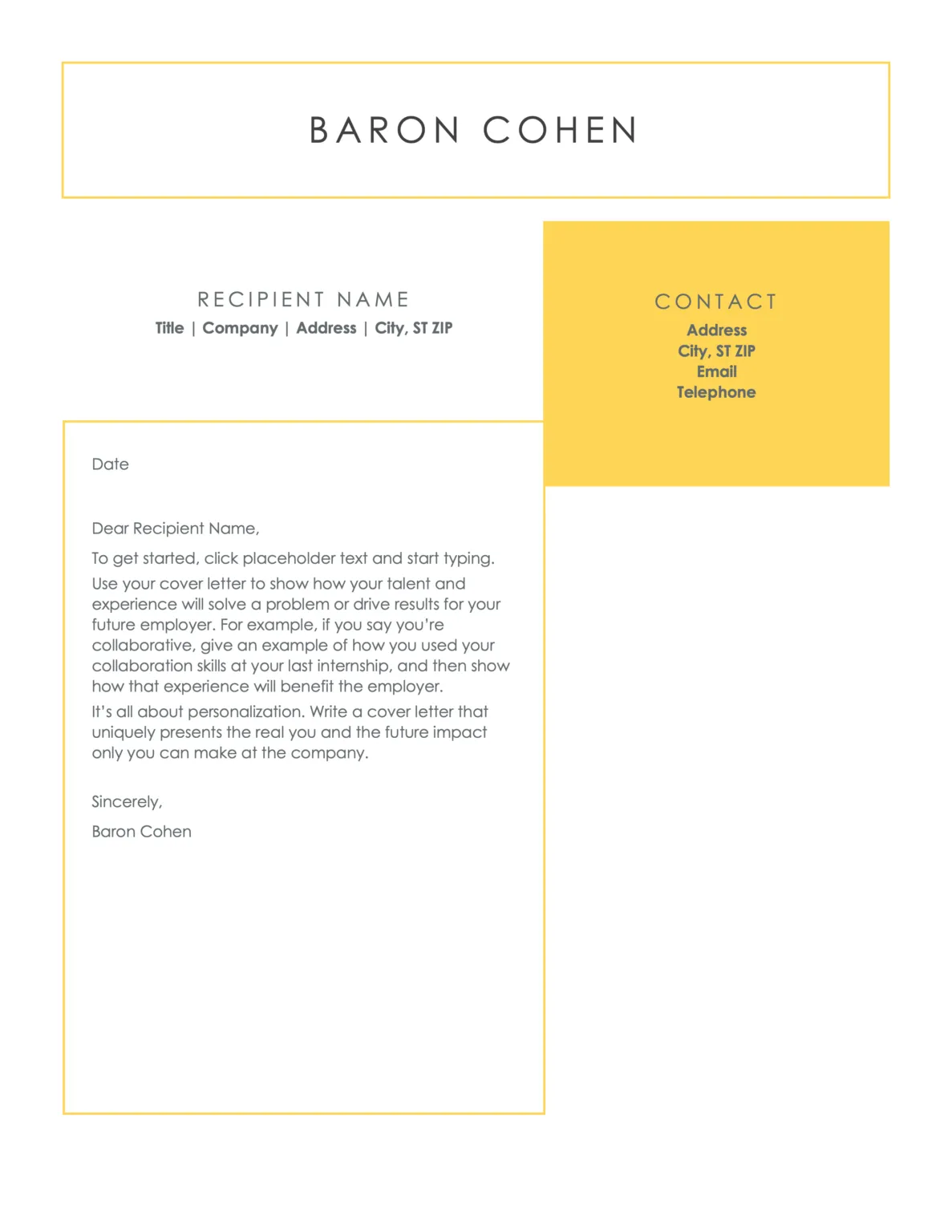
Why Use a Cover Letter Template?
In the competitive job market, a well-crafted cover letter is your key to making a strong first impression. However, writing a compelling cover letter from scratch can be time-consuming and challenging. This is where a cover letter template becomes an invaluable asset. A template provides a structured framework, ensuring you include all the essential elements and maintain a professional tone. It acts as a guide, helping you organize your thoughts and present your qualifications effectively. Utilizing a template saves you time and effort, allowing you to focus on tailoring the content to each specific job application. Ultimately, it increases your chances of getting noticed by potential employers.
Benefits of Using a Cover Letter Template
The advantages of using a cover letter template extend beyond mere convenience. A template ensures consistency in formatting, which is crucial for readability and professionalism. It guarantees that you include all the necessary sections, such as a compelling introduction, a showcase of your skills and experiences, and a strong call to action. Templates also provide a starting point, preventing writer’s block and helping you overcome the initial hurdle of staring at a blank page. They often include pre-written phrases and examples that you can adapt to your specific situation, saving you valuable time and effort. Moreover, templates help maintain a professional appearance, demonstrating attention to detail and a commitment to quality. Using a template can significantly improve your application’s overall impact and increase your chances of landing an interview.
Top 5 Essential Tips for a Cover Letter Template

To maximize the effectiveness of your cover letter template, consider these five essential tips.
Tailor Your Template to the Job
Never send a generic cover letter. The most successful cover letters are tailored to the specific job and company. Review the job description carefully and identify the key skills and requirements. Modify your template to highlight how your qualifications align with these needs. Research the company and personalize your letter to reflect your understanding of their values, mission, and culture. Mention specific projects, achievements, or experiences that demonstrate your suitability for the role. This level of customization shows that you are genuinely interested in the opportunity and have taken the time to understand the requirements of the position.
Highlight Your Skills and Achievements
Use your cover letter to showcase your relevant skills and achievements, not just list your responsibilities. Quantify your accomplishments whenever possible, using numbers and data to demonstrate your impact. For example, instead of saying ‘Managed social media,’ say ‘Increased social media engagement by 30% in six months.’ Provide specific examples that illustrate how you have successfully applied your skills in previous roles. Focus on the results you achieved and how they benefited your previous employers. This approach allows the hiring manager to quickly understand your value and potential contribution to their organization. Ensure that your skills and achievements align with the job requirements to make the greatest impact.
Proofread and Edit Carefully

Typos, grammatical errors, and formatting inconsistencies can undermine your credibility and make a negative impression. Always proofread your cover letter multiple times, paying close attention to detail. Use a spell checker and grammar checker, but don’t rely on them entirely; they may miss subtle errors. Read your cover letter aloud to catch awkward phrasing or sentences that don’t flow smoothly. Ask a friend, family member, or career counselor to review your letter and provide feedback. Ensure that the font, margins, and spacing are consistent and professional. A well-proofread and edited cover letter demonstrates attention to detail and professionalism, showing that you care about making a positive impression.
Format for Readability
Your cover letter should be easy to read and visually appealing. Use a clear and professional font like Arial, Calibri, or Times New Roman, and choose a font size between 10 and 12 points. Keep the paragraphs concise and use headings and subheadings to break up the text and guide the reader. Use bullet points to highlight key skills, achievements, or responsibilities. Ensure consistent spacing and margins to create a clean, uncluttered look. Avoid using excessive colors, bolding, or italics, which can distract the reader. A well-formatted cover letter is more likely to capture the reader’s attention and make a positive impression. Aim for a balance of white space and text to make it visually appealing and easy to scan quickly.
Include a Call to Action
A call to action encourages the hiring manager to take the next step. Clearly state your interest in the position and express your desire for an interview. Include your contact information, such as your phone number and email address, to make it easy for the recruiter to reach you. You can also mention that you have attached your resume for their review. End your letter with a professional closing, such as ‘Sincerely’ or ‘Best regards.’ By including a call to action, you make it clear that you are actively seeking the opportunity and make it easy for the hiring manager to move forward with your application. Make sure your call to action is specific and relevant to the job you are applying for. (Image: cover-letter-call-to-action.webp)
Cover Letter with Photo Tips

The inclusion of a photo in your cover letter is a more nuanced consideration. While not always necessary, there are situations where it might be beneficial. Here’s how to approach the decision and some best practices.
When to Include a Photo
Generally, it’s best to avoid including a photo unless specifically requested by the employer or if you are applying for a role where appearance is considered an essential part of the job. This can include positions in the entertainment industry, modeling, or hospitality. If you are unsure, it’s always better to err on the side of caution and omit the photo. In some countries, it is customary to include a photo, so research the cultural norms of the specific location where you are applying. If you’re applying for a role in a creative field and want to showcase your personality, a professional headshot could be appropriate. However, always prioritize the content of your cover letter and ensure it aligns with the job requirements. (Image: cover-letter-photo-tips.webp)
Photo Guidelines and Best Practices
If you decide to include a photo, use a professional headshot. Avoid selfies, casual snapshots, or photos with distracting backgrounds. Ensure the photo is well-lit, in focus, and shows you from the shoulders up. Dress professionally and maintain a friendly, approachable expression. Choose a recent photo that accurately represents your current appearance. Use a high-resolution image, and size it appropriately for your cover letter. Avoid placing the photo in a way that overwhelms the text. Make sure the photo doesn’t detract from the written content. (Image: cover-letter-photo-guidelines.webp)
Alternatives to Including a Photo

If you’re hesitant about including a photo, consider other ways to enhance your application. A strong LinkedIn profile with a professional photo can provide a visual representation of your personality and brand. Include a link to your LinkedIn profile in your cover letter and resume. Focus on highlighting your achievements, skills, and experience in your cover letter. Use a professional and well-designed resume to showcase your qualifications. Customize your cover letter to match the job requirements and company culture. These alternatives allow you to present yourself professionally without relying on a photograph. Emphasize your qualifications and make your cover letter compelling, showing that you are the right candidate for the job.
Examples of Effective Cover Letters
Reviewing examples can help you understand how to structure and write an effective cover letter. Here are some general guidelines and examples.
Example Cover Letter 1
This example is for a marketing position. It highlights the candidate’s experience in digital marketing and content creation, and it includes a call to action to schedule an interview. The tone is enthusiastic and professional, demonstrating a strong interest in the role and company. The letter focuses on quantifiable achievements, such as increasing website traffic and social media engagement. It is tailored to the specific job requirements and company values, demonstrating the candidate’s understanding of the role and their ability to contribute to the company’s goals. (Image: cover-letter-example-1.webp)
Example Cover Letter 2

This example is for a project management role, emphasizing the candidate’s experience in leading and coordinating projects. It highlights skills such as communication, organization, and problem-solving. The letter focuses on the candidate’s ability to manage complex projects, meet deadlines, and work collaboratively with teams. The tone is confident and results-oriented, demonstrating the candidate’s ability to take on the responsibilities of the position. The examples focus on how the candidate has successfully applied their skills in previous roles, and how they can contribute to the new opportunity. (Image: resume-tips.webp)
Example Cover Letter 3
This example is geared toward a customer service position and focuses on the candidate’s interpersonal and problem-solving skills. The letter highlights the candidate’s experience in resolving customer issues, improving customer satisfaction, and providing exceptional service. The tone is empathetic and solution-oriented, emphasizing the candidate’s ability to build relationships with customers. It illustrates how the candidate has utilized their skills in previous roles to achieve positive outcomes. The examples show a focus on customer needs and the ability to handle difficult situations. The emphasis is on communication, and providing excellent service to customers to help retain them.
Common Mistakes to Avoid
Avoiding common mistakes is crucial for ensuring your cover letter makes a positive impression. Here’s what to watch out for.
Overusing Jargon and Clichés

Using excessive jargon or clichés can make your cover letter sound generic and uninspired. Avoid buzzwords that don’t add value and stick to clear, concise language. Instead of saying ‘results-driven go-getter,’ use specific examples of your achievements. Replace vague statements with concrete details that demonstrate your skills and experience. Focus on providing a clear and easy-to-understand presentation of your qualifications and expertise. This demonstrates that you’ve invested the time to make the best impression.
Generic and Uninspired Content
A generic cover letter that can be sent to any company will not make a positive impression. Tailor your cover letter to each job application, addressing the specific requirements and demonstrating your interest in the company. Show that you have researched the company and understand their values and mission. Provide specific examples of how your skills and experiences align with the job requirements. Avoid using the same cover letter for every application. Create a personalized letter for each job application.
Ignoring the Company Culture
Researching the company culture can help you personalize your cover letter. Identify the company’s values and mission, and use your cover letter to demonstrate how you align with their culture. Use the language and tone that reflects the company’s values. Show an understanding of their goals and objectives and explain how you can contribute. By aligning your cover letter with the company culture, you can show that you are a good fit for the role and organization. This will make your cover letter more effective and improve your chances of getting an interview. (Image: cover-letter-mistakes.webp)
Finalizing Your Cover Letter

Before sending your cover letter, take the time to review and finalize it. Consider these important steps.
Proofreading and Editing Checklist
Use a checklist to ensure you have not missed any vital details. Check for grammatical errors, typos, and formatting inconsistencies. Review your tone and ensure it is professional and appropriate for the job and company culture. Ensure your contact information is correct and up to date. Check that your letter is tailored to the job and highlights relevant skills and experience. Read your cover letter aloud to catch any awkward phrasing or sentences. Ask a friend, family member, or career counselor to review your cover letter for feedback.
Sending Your Cover Letter
When sending your cover letter, ensure you follow the instructions provided in the job posting. Save your cover letter as a PDF file to maintain formatting. If sending via email, use a clear and professional subject line and include a brief message in the body of the email. Attach your cover letter and resume to the email. If the job posting asks to include a photo, follow their directions. Finally, always double-check that you are sending your cover letter to the correct person and email address. A well-prepared cover letter increases the chances of getting noticed. Following these guidelines, you can make a positive first impression and move closer to your job search goals.