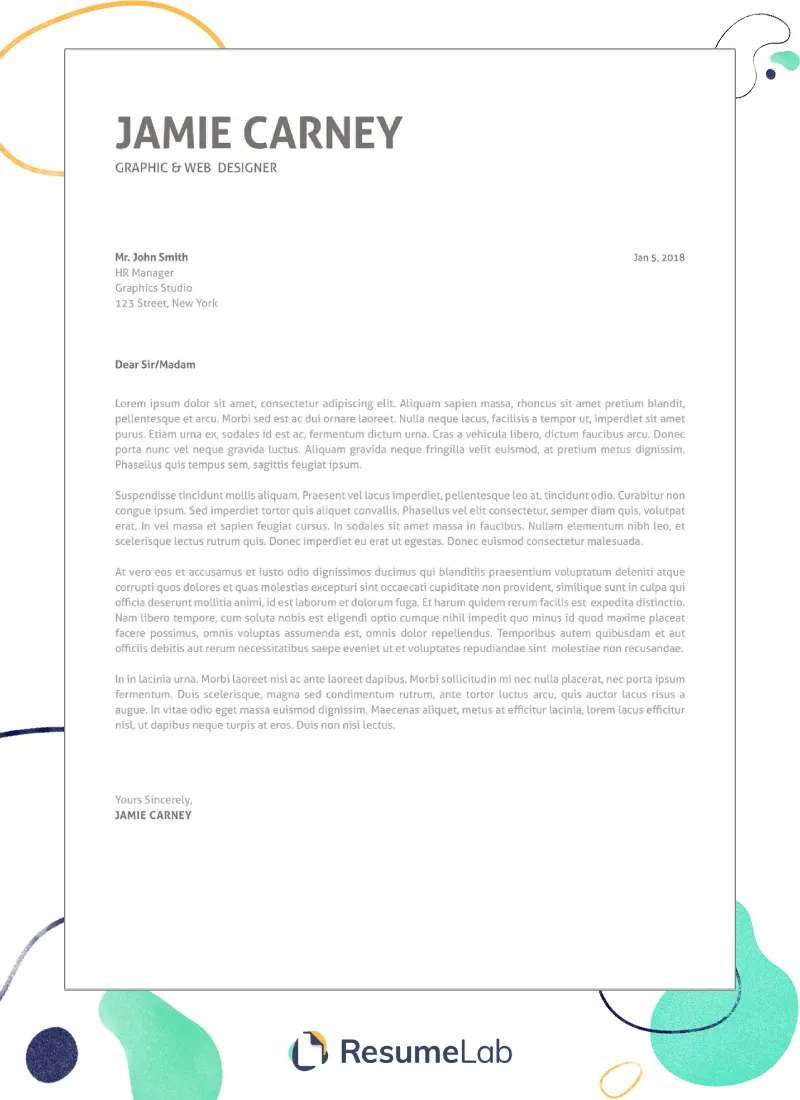
Cover Letter Template
A cover letter is your first opportunity to make a strong impression on a potential employer. It’s a crucial part of your job application, offering a glimpse into your personality, skills, and experience. A well-crafted cover letter complements your resume, providing context and highlighting why you’re the ideal candidate for the position. It’s not just a formality; it’s your chance to connect with the hiring manager and demonstrate your genuine interest in the role and the company. Use this comprehensive cover letter template and examples to create a standout application that captures attention and gets you noticed.
Header Section
The header of your cover letter should be clear, concise, and professional. It’s the first thing the hiring manager will see, so it sets the tone for the entire letter. A well-formatted header demonstrates attention to detail, a crucial quality for any job. This section should be visually appealing and easy to read, making it simple for the hiring manager to understand who you are and how to reach you. Make sure it includes your contact information, the date, and the recipient’s details.
Your Contact Information

Begin with your full name, followed by your phone number, email address, and LinkedIn profile URL (if you have one). Ensure your email address is professional. Use a clear, easy-to-read font and format the information in a way that is easy to scan. The goal is to make it simple for the hiring manager to reach out to you. Double-check all the information for accuracy before submitting your cover letter. Consider using a simple, clean layout that fits within a small space at the top of the document to keep things organized and professional.
Date and Recipient Information
Below your contact information, include the date you are sending the cover letter. Next, provide the recipient’s details including the hiring manager’s name, title, the company name, and the company’s address. If you cannot find the hiring manager’s name, address the letter to ‘Hiring Manager’ or ‘Recruiting Team’ at the company. This level of personalization can make your application stand out. Ensuring this information is correct demonstrates your attention to detail and professionalism. If you are using a template, be sure to update the date and recipient information for each application.
Body of the Cover Letter
The body of your cover letter is where you make your case for the job. It should be divided into distinct paragraphs that flow logically, creating a compelling narrative about why you are the ideal candidate. Use this space to highlight your relevant skills and experiences, express your enthusiasm for the role, and explain why you’re a good fit for the company culture. The language used in the body should be professional, enthusiastic, and tailored to the specific job description and company. Keep your writing concise and to the point, making sure to convey your key messages effectively.
Opening Paragraph

Start with a strong opening that immediately grabs the hiring manager’s attention. Mention the specific position you are applying for and how you learned about it. Briefly state your most relevant skills or experiences and why you are interested in the role and the company. This opening should provide a clear sense of your purpose. Avoid generic greetings like ‘Dear Sir/Madam’. Instead, personalize the greeting if possible, using the hiring manager’s name. This personal touch makes your application more memorable and shows that you have done your research about the company.
Highlighting Your Skills and Experience
The central part of your cover letter should focus on how your skills and experiences align with the job requirements. Carefully review the job description and identify the key skills and qualifications the employer is seeking. Use this information to structure your letter, emphasizing the relevant aspects of your background. Provide specific examples of how you have demonstrated these skills in previous roles. Tailor your examples to showcase your ability to handle the responsibilities of the role. Show, don’t just tell. Providing evidence of your skills makes your application much more persuasive.
Showcase Your Achievements
Instead of simply listing your job responsibilities, focus on your achievements. What did you accomplish in your previous roles? What problems did you solve? What results did you deliver? Quantify your accomplishments whenever possible by providing specific numbers, data, and metrics. Highlighting your achievements demonstrates your value to potential employers and proves your ability to make a positive impact on their organization. Use action verbs to describe your accomplishments and make them more impactful.
Quantify Your Accomplishments

Quantifying your achievements makes your cover letter more compelling and demonstrates the tangible impact you have made in past roles. Instead of saying you ‘improved customer service’, say ‘Increased customer satisfaction scores by 15%’. Use numbers, percentages, and data to support your claims. This approach provides concrete evidence of your abilities and helps the hiring manager understand the value you can bring to their company. Think about how you can measure your successes, and incorporate those metrics into your cover letter.
Expressing Your Enthusiasm
Show genuine enthusiasm for the role and the company. Explain why you are excited about the opportunity and what specifically attracts you to the position. Research the company’s mission, values, and recent news to demonstrate your interest. Mentioning something specific about the company can show that you have taken the time to learn about them. Be sincere in your tone, and let your passion for the role shine through. This shows the hiring manager that you are not just applying for any job but are specifically interested in this one.
Call to Action
In the final paragraph, include a clear call to action. Express your interest in an interview and state your availability. Thank the hiring manager for their time and consideration. This closes the letter with a professional tone. Reiterate your interest and reiterate your availability for an interview to leave a lasting positive impression. This direct approach encourages the hiring manager to move forward with your application.
Closing

End your cover letter with a professional closing, such as ‘Sincerely’ or ‘Best regards’. Then, leave space for your signature (if printing and mailing) and type your full name below. A professional closing sets a tone of respect and formality, leaving a positive final impression. The closing and signature also add a touch of professionalism, showing the hiring manager that you take the job application seriously. Review this section to ensure the closing is appropriate and that there are no errors.
Formatting and Style
Formatting and style are crucial for presenting a polished and professional cover letter. Well-formatted letters are easier to read and reflect your attention to detail. Consistent formatting throughout the document demonstrates professionalism and makes a positive impression on the hiring manager. The overall look and feel should be clean, organized, and visually appealing.
Font and Readability
Choose a professional and readable font such as Times New Roman, Arial, Calibri, or Georgia. Maintain a font size between 10 and 12 points for easy readability. Use a consistent font throughout the entire document. Make sure the font is appropriate for a professional setting. Avoid decorative or overly stylized fonts. Use headings and subheadings to break up the text and improve readability. The goal is to make it easy for the hiring manager to scan and quickly grasp the key information.
Length and Structure

Keep your cover letter concise and to the point, ideally within one page. Use a clear and organized structure, including a header, opening paragraph, body paragraphs, and a closing. Use short paragraphs and bullet points to break up the text and improve readability. Avoid lengthy blocks of text that can overwhelm the reader. Ensure each paragraph has a clear focus and supports your overall message. Maintain a professional tone throughout your letter to avoid rambling.
Proofreading and Editing
Thoroughly proofread your cover letter for any grammatical errors, spelling mistakes, and typos before submitting. Check for inconsistencies in formatting, such as spacing or font size. Use a grammar checker and ask a friend or family member to review the document. A single error can undermine your credibility. Carefully revise and refine your cover letter to ensure it is free of errors and presents you in the best possible light. Pay close attention to detail. Consider reading your cover letter out loud to catch any awkward phrasing.
Cover Letter Examples
Reviewing cover letter examples can provide valuable insights and inspiration for crafting your own. Examples provide a framework and illustrate how to effectively structure and word your letter. Use these examples as a guide to help you understand how to tailor your application to different roles and industries. Adapt the examples to fit your own experience and the specific requirements of the jobs you are applying for. Make sure to customize any examples before submission.
Example 1 Recent Graduate

This example demonstrates how to highlight academic achievements, internships, and any relevant skills gained during your studies. It focuses on transferable skills and enthusiasm for entering the job market. Highlight any relevant coursework and projects. Tailor your letter to match the job’s responsibilities, ensuring your letter is specific and personalized.
Example 2 Experienced Professional
This example highlights career progression, significant accomplishments, and how you have contributed to prior companies. It should showcase your ability to perform in the job. Focus on quantifiable results and specific achievements that demonstrate your value. Provide examples of successful projects and measurable outcomes. It should be tailored to reflect your industry experience and seniority level.
Example 3 Career Changer
This example emphasizes transferable skills and experience from a different field. Show how your previous experience translates into the new role. Highlight relevant skills that align with the job requirements. Focus on demonstrating your interest in the new industry and your willingness to learn. It is helpful to explain the reasons behind your career change. Make sure your letter connects your previous experiences with the requirements of the new job.
Tailoring Your Cover Letter
Always tailor your cover letter to each specific job application. Avoid using a generic cover letter that can make you look like a less serious candidate. Instead, show how you’ve researched the role, the company, and demonstrate you understand the requirements of the job. Personalized letters are much more effective. Take the time to customize your letter to each job. By doing this, you will demonstrate genuine interest and increase your chances of getting noticed. Ensure each letter highlights relevant skills and experiences.
Researching the Company
Before writing your cover letter, research the company and the specific role. Visit their website, read their mission statement, and explore their social media channels to learn more about their culture, values, and recent projects. Understanding their needs will help you tailor your cover letter to demonstrate how your skills and experience align with their requirements and how you can contribute to their success. The more you know about the company, the more effectively you can align your application.
Using Keywords from the Job Description
Carefully review the job description and identify the key skills, qualifications, and keywords the employer is seeking. Incorporate these keywords naturally throughout your cover letter to demonstrate that you meet the requirements of the role. Use the same terminology as the job description. This helps your application pass through applicant tracking systems (ATS) and makes it clear to the hiring manager that you are a good fit. Make sure your use of keywords is organic and relevant to the content of your letter.
Common Cover Letter Mistakes
Avoid these common cover letter mistakes to ensure your application makes a positive impression. These mistakes can significantly undermine your credibility. Carefully review your cover letter, ensuring you avoid these mistakes. The goal is to present yourself as a polished and professional candidate.