The Power of Cover Letter Stories
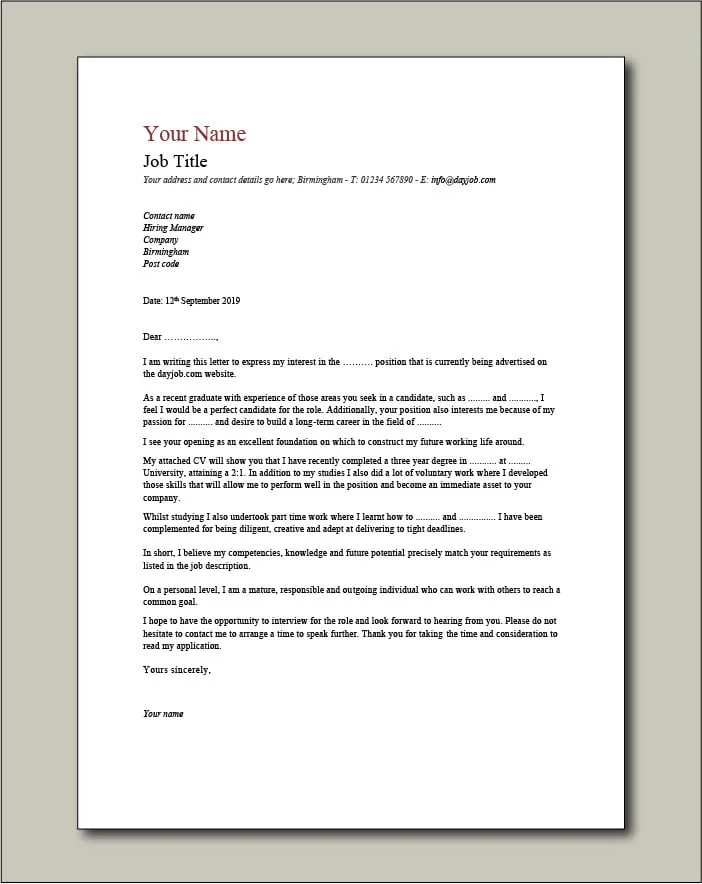
In the competitive world of job applications, a cover letter is your chance to shine. It’s more than just a document; it’s an opportunity to tell your story, to connect with the hiring manager on a personal level, and to demonstrate how your experiences align with the company’s needs. Forget generic statements and focus on weaving compelling cover letter stories that captivate and convince. Cover letter stories allow you to move beyond listing skills and qualifications; they provide a narrative that brings your achievements to life. By sharing specific instances where you’ve overcome challenges, achieved results, or demonstrated leadership, you create a memorable impression. Remember, a well-crafted story is far more impactful than a list of bullet points. This article reveals the top 5 secrets to master cover letter stories and significantly increase your chances of landing an interview.
Secret 1 Show Dont Tell
The most effective cover letter stories don’t just tell; they show. Instead of stating that you are a ’team player,’ describe a time when you successfully collaborated with others to achieve a shared goal. Rather than claiming you are ‘organized,’ illustrate a project where your organizational skills led to efficiency and success. This approach transforms your cover letter from a list of attributes into a vivid portrayal of your capabilities. Showing, rather than telling, allows the reader to experience your skills and personality firsthand. This approach encourages the reader to actively engage with your narrative, making your cover letter more memorable and impactful. By focusing on the specifics of your actions and their impact, you provide concrete evidence of your abilities and differentiate yourself from other candidates.
Crafting a Compelling Narrative

A compelling narrative follows a simple structure beginning with a brief context or challenge you faced. Then the narrative should describe your actions in response to the challenge, followed by the outcome. The key to a good story is to make it relatable and interesting. Use vivid language, and focus on the essence of the story. By making sure your narrative is engaging, it captures the reader’s attention, making your cover letter more memorable. Ensure your cover letter story highlights your problem-solving abilities, your creativity, and your leadership. Always aim for authenticity, reflecting your unique experiences and personality in the stories you share.
Highlighting Achievements Through Stories
Cover letter stories are the perfect way to highlight your achievements. Frame your achievements in terms of the impact they had on the business or team. For example, instead of saying, ‘Managed social media,’ you could say, ‘Increased social media engagement by 40% in six months by implementing a new content strategy.’ This type of storytelling turns generic statements into impactful descriptions of success. When describing your achievements, focus on the results, the actions you took, and the positive outcomes achieved. The hiring manager will have a clearer understanding of what you can bring to the table. Choose stories that showcase your key skills and align with the job requirements. Choose stories that demonstrate your experience to give you an edge in the application process.
Secret 2 Personalize for Impact
A generic cover letter is easily discarded, but a personalized one shows you’ve taken the time to understand the company and the role. Personalization is key to making your cover letter stand out. This demonstrates genuine interest in the company and the position. It is a powerful way to connect with the hiring manager. Personalization shows the hiring manager that you understand their needs and are the perfect candidate to fulfill them. Begin by researching the company, its values, and its mission. Tailor your stories to reflect your understanding of the company’s objectives. Ensure your tone and style align with the company’s culture.
Researching the Company Culture

Before writing your cover letter, thoroughly research the company. Explore their website, social media, and any other available resources. Learn about their values, culture, and recent projects. This information will help you tailor your stories to resonate with the hiring manager. Understanding the company culture will also allow you to use appropriate language and tone in your cover letter. Refer to the company’s recent press releases or news articles to show you’ve done your homework. The more specific and relevant you are, the more likely you are to make a lasting impression. The more you know about the company, the better you can demonstrate why you are the ideal fit.
Tailoring Stories to Job Requirements
Every job posting lists specific requirements. Carefully review these and align your cover letter stories with them. Highlight experiences that directly address the skills and qualifications the employer is seeking. Focus on examples that demonstrate your ability to meet those requirements. If the job description emphasizes teamwork, share a story about a successful team project. If the role requires strong communication skills, tell a story about a presentation or client interaction. Tailoring your stories to job requirements demonstrates you have the skills and experience to succeed in the role. This helps the hiring manager quickly see your value. Select your strongest stories based on their relevance to the job description.
Secret 3 Quantify Your Results
Numbers speak louder than words. Whenever possible, quantify your achievements in your cover letter stories. Providing specific metrics makes your accomplishments more tangible and persuasive. Instead of saying ‘Improved customer satisfaction,’ state ‘Improved customer satisfaction by 20% through a new customer service initiative.’ Numbers add credibility and show the impact you made in previous roles. They provide concrete evidence of your abilities. Including numbers highlights the value you bring to the company. This strategy enables you to stand out from other applicants by demonstrating the tangible results you’ve delivered. Use metrics that are relevant to the job and the company’s goals.
Using Numbers to Showcase Success

Numbers provide concrete proof of your achievements. Use percentages, dollar amounts, and other quantifiable data to illustrate your success. If you saved the company money, state the exact amount or the percentage saved. If you increased sales, provide the specific figures. If you improved efficiency, detail the reduction in time or resources. Numbers provide credibility and demonstrate the impact you had in your previous roles. Ensure the numbers are accurate and reflect your actual achievements. By quantifying your accomplishments, you can show how you brought value to the company.
Providing Specific Examples
Quantify your results with clear and specific examples. Instead of saying ‘Increased efficiency,’ say ‘Reduced processing time by 15% by implementing a new workflow system.’ Instead of ‘Improved customer satisfaction,’ say, ‘Increased customer satisfaction scores from 70% to 90% within one quarter.’ Provide context to these numbers, explaining what actions you took to achieve the results. Ensure that your examples are easy to understand and relevant to the job requirements. Use clear, concise language to avoid any confusion. By providing specifics, you highlight your achievements and provide convincing evidence of your skills.
Secret 4 Focus on Relevance
The best cover letter stories directly relate to the job you are applying for. Your cover letter should be tailored to each specific position. This ensures the relevance of your stories, demonstrating your ability to meet the job’s requirements. Select the most relevant examples that highlight your skills and experience. Focus on achievements and experiences most applicable to the role. Avoid sharing stories that are interesting but not related to the job. Relevance ensures that the hiring manager sees you as a good fit. Tailor your stories to showcase the skills and experience the employer is seeking.
Selecting the Right Stories
Not every story is suitable for every cover letter. Choose stories that are most relevant to the job you are applying for. Review the job description and identify the key skills and qualifications the employer seeks. Select stories that demonstrate these skills, such as leadership, teamwork, problem-solving, or communication. If the job requires project management skills, share a story about a successful project you managed. If the role requires strong communication skills, share a story about an effective presentation. Tailor your selections to the specific needs of the job. Avoid the temptation to include irrelevant stories, as they can distract from the main point. Each story should demonstrate your capabilities and highlight your strengths.
Matching Stories to Skills and Experience
When selecting stories, match them to the skills and experience highlighted in the job description. Make a list of the required skills and then identify stories that demonstrate those skills. If the job posting mentions the need for analytical skills, share a story about how you analyzed data to solve a problem. If the job requires experience with a specific software, describe how you used that software successfully. Choose stories that directly correlate with the job’s key requirements. This makes it easy for the hiring manager to see how your experience aligns with the role. This increases your chances of securing an interview.
Secret 5 Proofread and Polish
A polished cover letter demonstrates professionalism and attention to detail. Proofreading is an essential step in ensuring your cover letter is error-free. Proofread multiple times, checking for grammar, spelling, and punctuation errors. A well-written cover letter shows that you care about the details. Sloppy writing can undermine your message. Take the time to review your cover letter carefully. Asking someone else to proofread it can catch errors you might have missed. A well-proofread cover letter can boost your chances of success. Make sure the language is clear, concise, and professional. Ensure that your writing style aligns with the company’s culture and the job requirements.
Ensuring Clarity and Accuracy

Clarity and accuracy are crucial to making a positive impression. Ensure your cover letter is easy to read. Use clear, concise language to convey your message. Avoid using jargon or overly complex sentences. Make sure your grammar, spelling, and punctuation are correct. Mistakes can distract the reader. Double-check all dates, names, and other details. Errors give the impression that you are not detail-oriented. Ensuring clarity and accuracy makes your cover letter look professional and trustworthy. You should convey your qualifications and enthusiasm for the job without any distractions. Read your cover letter aloud to catch any awkward phrasing or errors.
Seeking Feedback
Asking someone to review your cover letter can greatly improve its quality. Ask a friend, family member, or career advisor to provide feedback. A fresh pair of eyes can often spot errors you might have missed. Ask for feedback on the clarity, grammar, and overall impact of your cover letter. Consider whether your stories are compelling and your achievements are highlighted effectively. Seek feedback from multiple sources to get a comprehensive view. Revise your cover letter based on the feedback received. A polished cover letter greatly enhances your chances of success. The goal is to showcase your capabilities and make a great first impression. Seeking feedback ensures that your cover letter is the best it can be.
Conclusion
Mastering the art of cover letter stories can transform your job applications. It enables you to connect with potential employers on a personal level. Following these five secrets will help you create a compelling narrative. Remember to show, don’t tell, personalize your letter, quantify your results, focus on relevance, and proofread meticulously. By doing so, you will craft cover letter stories that capture the attention of hiring managers. Prepare to gain more interview opportunities and ultimately secure your dream job. By using these secrets, you will not only boost your application but also build a strong and memorable personal brand. These secrets will transform how you approach job applications.