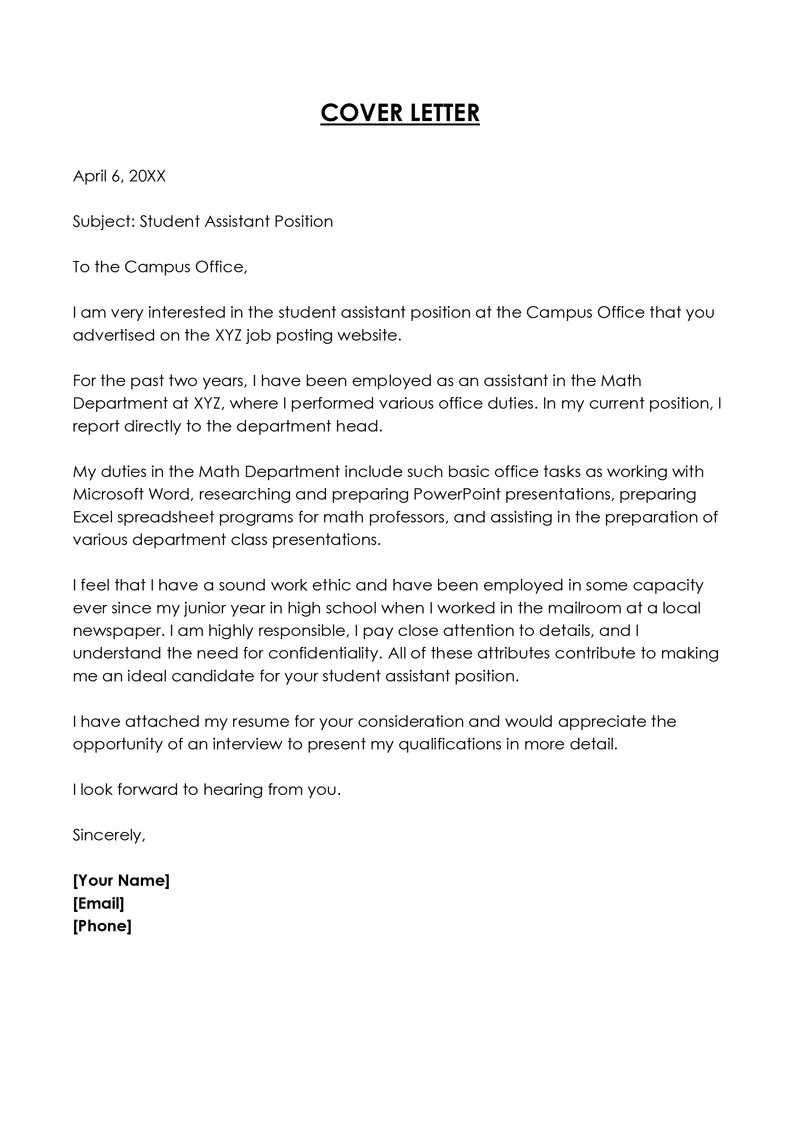
What Is a Cover Letter and Why Do You Need One
A cover letter is your first impression, the initial introduction you make to a potential employer. It’s a crucial document that accompanies your resume when you apply for a job. Think of it as a personal advertisement, a chance to showcase your personality, skills, and enthusiasm in a way that a resume alone cannot. A well-crafted cover letter can significantly increase your chances of getting an interview. It provides context to your resume, explaining why you’re the perfect fit for the specific role and the company. It’s your opportunity to go beyond the facts and figures listed in your resume, offering insights into your motivations and career goals.
Key Components of a Cover Letter
Your Contact Information

Start with your contact information at the top of the cover letter. This should include your full name, phone number, email address, and optionally, your LinkedIn profile URL. Make sure this information is accurate and up-to-date. This allows the hiring manager to easily reach you if they want to schedule an interview or learn more about your qualifications. Consistency is key; ensure the information matches what’s on your resume to avoid any confusion.
Date and Recipient Information
Below your contact information, include the date and the recipient’s details. This typically involves the name of the hiring manager (if known), their title, and the company’s address. Researching the hiring manager’s name shows initiative and attention to detail. If you can’t find a specific name, use a generic title such as ‘Hiring Manager’. This demonstrates your professionalism and attention to detail, essential qualities in any job application.
Opening Paragraph Hook the Reader
The opening paragraph is your hook. It needs to grab the reader’s attention immediately. Briefly state the position you’re applying for and where you found the job posting. Then, express your interest in the role and the company. You can also mention a key skill or achievement that makes you stand out. This initial paragraph sets the tone for the rest of your letter and encourages the hiring manager to read on, making your cover letter more likely to be noticed.
Highlight Your Relevant Skills and Experience

This is the core of your cover letter. In this section, demonstrate how your skills and experience align with the job requirements. Tailor this section to each job application, highlighting the qualifications and experiences most relevant to the specific role. Use keywords from the job description to show that you understand the employer’s needs. Provide specific examples to illustrate how you’ve used your skills to achieve results in the past. This showcases your capabilities and the value you bring to the role.
Quantify Your Achievements
Whenever possible, quantify your achievements with numbers and data. Instead of saying ‘Improved sales,’ say ‘Increased sales by 20%’. Using measurable results makes your claims more credible and demonstrates the impact you can make. Use metrics such as percentages, dollar amounts, or specific project outcomes. Quantifying your achievements helps the hiring manager understand the tangible benefits you can bring to the company.
Tailor Your Cover Letter to Each Job
Avoid sending the same cover letter for every job. Customize your letter for each application. Research the company and the specific role to understand their needs and expectations. Highlight the skills and experiences that align with their requirements. This shows that you’re genuinely interested in the opportunity and have taken the time to understand the role and the company’s values. Personalized cover letters make a more impactful impression.
Express Your Enthusiasm for the Opportunity

Show your genuine interest in the company and the position. Explain why you’re excited about the opportunity and what attracts you to the company. Mention specific aspects of the role or the company that resonate with you. Your enthusiasm can set you apart from other candidates. This can be a significant factor in the hiring decision because employers prefer candidates who are genuinely passionate about the job and the organization.
Closing Paragraph Call to Action
Conclude your cover letter with a call to action. Thank the hiring manager for their time and consideration, and express your eagerness to discuss your qualifications further. Include a statement that you look forward to hearing from them soon. It’s also acceptable to mention your availability for an interview. This shows initiative and reinforces your interest in the position, moving the application process forward.
Proofread and Edit Your Cover Letter
Before submitting, carefully proofread your cover letter for any errors. Typos, grammatical mistakes, and incorrect information can create a negative impression. Ensure your writing is clear, concise, and free of errors. Read the cover letter aloud or have someone else review it for you. This thorough approach ensures that your application reflects your attention to detail and professionalism.
Formatting Your Cover Letter for Maximum Impact

Choosing the Right Font and Font Size
Select a professional and easy-to-read font, such as Times New Roman, Arial, or Calibri. Use a font size between 10 and 12 points. Consistent formatting across your resume and cover letter maintains a professional look. Ensure the font is easily readable on screen and in print. Proper formatting increases readability and makes a positive first impression.
Using Clear and Concise Language
Write clearly and concisely. Avoid jargon, overly complex sentences, and unnecessary words. Use active voice to make your writing more direct and engaging. Focus on conveying your message effectively and efficiently. Clear and concise language makes your cover letter easier to read and understand, increasing the chances of a positive response.
Cover Letter Mistakes to Avoid

Generic and Unenthusiastic Language
Avoid using generic phrases and expressing a lack of enthusiasm. Generic cover letters don’t resonate with employers. Instead, personalize your letter for each job and show genuine interest in the opportunity. Your enthusiasm for the position and the company should shine through in your writing. Demonstrate that you’re excited about the prospect of joining the team, making you a more attractive candidate.
Typos and Grammatical Errors
Always proofread your cover letter meticulously. Typos and grammatical errors can create a negative impression and suggest a lack of attention to detail. Take the time to review your letter multiple times, or have someone else proofread it. Ensure accuracy in every aspect of your letter, including your name, contact information, and the recipient’s details, to make a professional impact. Even a single error can undermine your credibility.
Failing to Tailor Your Letter to the Job

Sending a generic cover letter without customizing it for the specific job is a common mistake. Always tailor your letter to the requirements and expectations of each position. Show that you understand the company’s needs and explain how your skills and experience align with their requirements. Researching the company and the role demonstrates your commitment and professionalism. Customization increases the relevance of your letter and improves your chances of an interview.
Submitting a Cover Letter Without a Resume
Always submit a cover letter with your resume. A cover letter provides context and highlights key aspects of your resume in a narrative format. Without a cover letter, your application may not receive full consideration. The cover letter is an essential companion to your resume, offering a comprehensive view of your qualifications and demonstrating your ability to communicate effectively. Include both documents to make your application complete.
Resources and Tools for Cover Letter Writing
Online Cover Letter Templates
Use online cover letter templates to structure your letter effectively. Many websites offer free templates that you can customize to your needs. Templates provide a solid foundation, and help ensure you include all necessary components. Templates guide you through the various sections, saving you time and ensuring your cover letter is well-organized and professional.
Cover Letter Examples
Review cover letter examples to get ideas and inspiration. Search online for examples related to your industry or the specific role. Reading different examples will give you insight into how to structure your own letter and tailor it to your needs. Analyze different approaches to see how others have highlighted their skills and experiences. This is a great way to learn different writing styles and find the best fit for your application.
Professional Cover Letter Writing Services
Consider using professional cover letter writing services if you need help. These services can provide expert guidance and tailor your cover letter to maximize your chances of success. Professional writers can create a polished and compelling cover letter that highlights your strengths. If you’re unsure where to start or want expert assistance, hiring a professional is a good investment in your job search.