Cover Letter Secrets How To Stand Out
In the competitive world of job applications, a cover letter can be your secret weapon. It’s your chance to go beyond the facts and figures of your resume, demonstrating your personality, passion, and how you align with the specific role and company. A well-crafted cover letter doesn’t just reiterate your resume; it tells a story, showcasing your unique value proposition and why you’re the ideal candidate. It’s the first impression, the opportunity to grab the reader’s attention and compel them to delve deeper into your qualifications. This guide will unravel the secrets to writing a cover letter that not only stands out, but also significantly increases your chances of landing an interview. We will delve into key strategies, from understanding its purpose and structuring it effectively to avoiding common pitfalls and ensuring your letter shines.
Understanding the Cover Letter’s Purpose
Before you even begin, understanding the purpose of a cover letter is crucial. It serves as your introduction, setting the stage for your application. Its primary goal is to introduce you to the hiring manager, highlight your relevant skills and experiences, and express your enthusiasm for the position and the company. Think of it as a tailored sales pitch, designed to persuade the reader that you’re a strong fit for the role. It provides context to your resume, allowing you to elaborate on specific accomplishments, explain career transitions, and convey your personality. The cover letter demonstrates your communication skills and your understanding of the job requirements, making it an indispensable part of any job application. When you are going to apply, be sure to provide more than a resume, the key is to create the best cover letter.
Highlighting Your Skills

One of the most important aspects of a cover letter is showcasing your skills. But it’s not enough to just list them; you must demonstrate how you’ve used those skills to achieve results. Identify the key skills mentioned in the job description and provide specific examples of how you’ve applied those skills in previous roles or projects. Use the STAR method (Situation, Task, Action, Result) to structure your examples, providing a clear and concise narrative of your accomplishments. For instance, instead of stating ‘Proficient in project management,’ you might write ‘Managed a cross-functional team to successfully deliver a project on time and under budget, resulting in a 15% increase in efficiency’. By quantifying your achievements and providing tangible evidence, you make a compelling case for your abilities and show the hiring manager the value you can bring to their team. Be sure to match the requirements mentioned on the job posting so you will have a greater chance.
Researching the Company
A generic cover letter is easily dismissed. To truly stand out, you must demonstrate that you’ve done your homework. Research the company thoroughly before you start writing. Understand their mission, values, and recent achievements. Explore their website, social media profiles, and news articles to gain insights into their culture and current projects. This knowledge will allow you to tailor your cover letter to the specific requirements of the role and the company’s priorities. Mentioning specific initiatives, projects, or values demonstrates that you’re genuinely interested in the organization and that you’ve taken the time to understand their goals. This level of personalization significantly increases your chances of capturing the hiring manager’s attention and conveying your genuine interest in the opportunity. Also, showing you care about the company will help to boost your chances.
Personalizing Your Cover Letter
Personalization goes beyond simply addressing the hiring manager by name (though that’s important!). It means tailoring your cover letter to the specific job and the company. Avoid using a generic template; instead, customize each letter to reflect the unique requirements of the role and the values of the organization. Address the specific needs outlined in the job description and explain how your skills and experiences align with those needs. Demonstrate your understanding of the company’s mission and culture, and explain why you’re excited about the opportunity to contribute. Including the hiring manager’s name can also help with the personalization aspect. Highlight how you can contribute, by describing your personality and how you can fit with the company’s environment. The goal is to make the hiring manager feel like you are an asset for the company.
Structure of a Cover Letter

Header and Contact Information
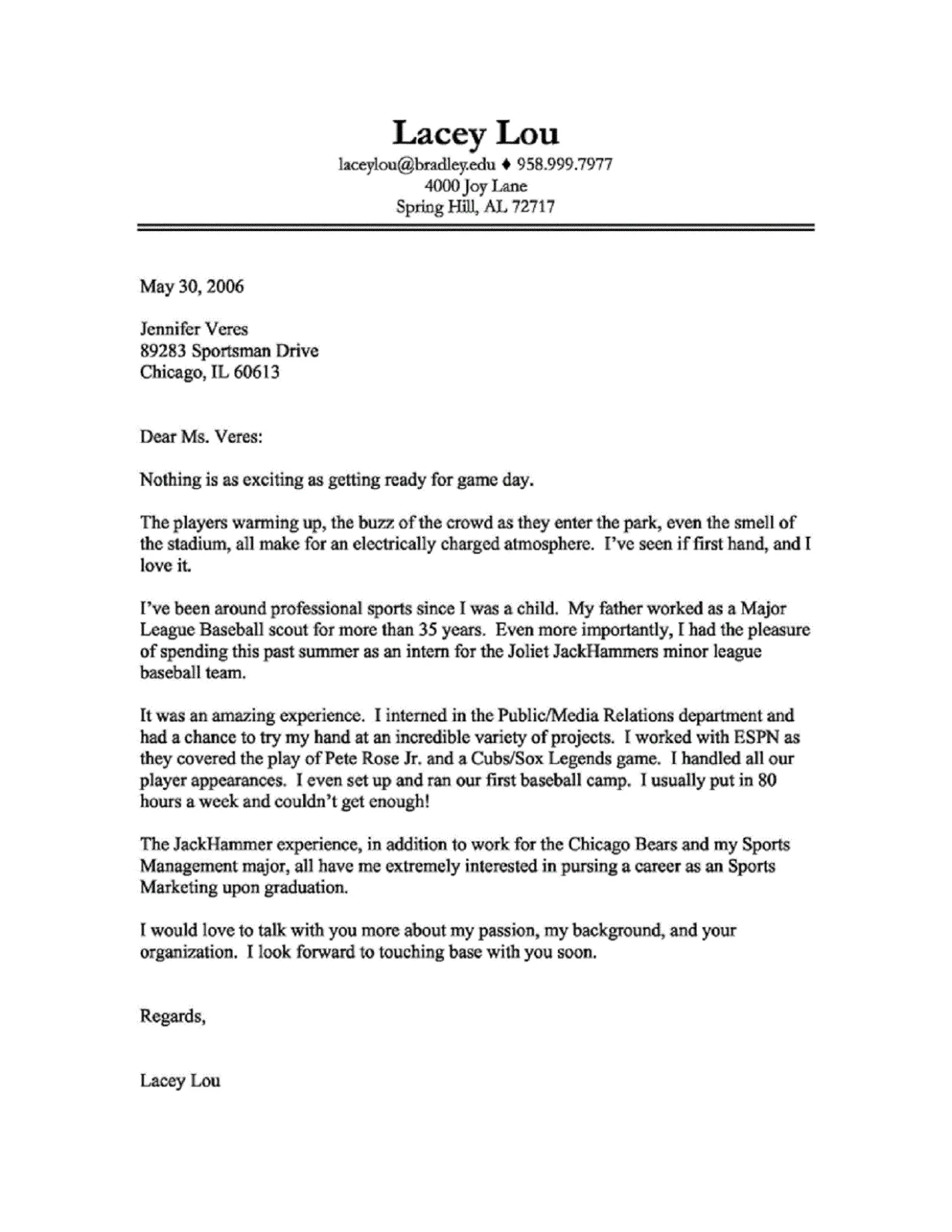
Begin your cover letter with a professional header. Include your full name, address, phone number, and email address. Ensure that your email address is professional-sounding and easy to read. Follow this with the date and the hiring manager’s name and title (if known) and the company’s address. This provides a clear and concise introduction, allowing the hiring manager to easily identify you and contact you. Proper formatting and attention to detail in the header set a professional tone from the outset, showing that you take the application process seriously. It is the most important section in a cover letter, as it is the first thing the reader sees.
The Opening Paragraph
The opening paragraph is your first opportunity to grab the hiring manager’s attention. Instead of a generic greeting, start with a compelling statement that immediately conveys your interest in the role and the company. Mention where you found the job posting, and briefly state why you’re a strong candidate. Highlight a key skill or accomplishment that aligns with the job requirements to pique their interest. Make it clear why you are writing and what position you are applying for. The goal is to capture the reader’s attention and make them want to read more. The opening paragraph sets the tone for the rest of your letter, so make sure it’s engaging, concise, and relevant to the role.
Body Paragraphs Showcase Your Value

The body paragraphs are where you demonstrate your value. Use these paragraphs to expand on your qualifications, experiences, and accomplishments. Focus on the key requirements outlined in the job description and provide specific examples of how you’ve met or exceeded those requirements. Use the STAR method (Situation, Task, Action, Result) to provide clear and concise narratives that showcase your skills. Quantify your achievements whenever possible, using numbers and data to illustrate the impact you’ve made in previous roles. This section is your chance to show the hiring manager how you can contribute to the company’s success. Remember to keep each paragraph focused and easy to read, with a clear focus on what you bring to the table.
The Closing Paragraph
The closing paragraph should reiterate your interest in the role and the company. Summarize your key qualifications and emphasize why you’re a strong fit. Express your enthusiasm for the opportunity and reiterate your desire for an interview. Include a call to action, such as ‘I look forward to hearing from you soon’ or ‘Thank you for your time and consideration.’ Be sure to include a thank you to show appreciation for the reader. Proofread it to avoid any errors. End with a professional closing, such as ‘Sincerely’ or ‘Best regards,’ followed by your full name. The closing paragraph leaves a lasting impression, so make sure it’s positive, confident, and professional.
Keywords and Action Verbs
To ensure your cover letter gets noticed, incorporate relevant keywords and action verbs. Keywords are words or phrases that are specific to the job description or industry. Carefully review the job posting and identify the key skills, qualifications, and technologies the employer is seeking. Integrate these keywords naturally throughout your cover letter, especially in the body paragraphs where you describe your experiences and achievements. Action verbs such as ‘managed,’ ’led,’ ‘developed,’ ‘achieved,’ and ‘implemented’ add impact and dynamism to your writing, making your accomplishments sound more compelling. The use of keywords and action verbs not only helps your cover letter stand out to both human readers and applicant tracking systems (ATS) but also highlights your qualifications in a clear and concise manner, showing the hiring manager that you are the perfect fit for the job.
What to Avoid in a Cover Letter

Common Mistakes to Sidestep
Avoid common mistakes that can immediately disqualify your application. Refrain from using generic templates that don’t speak to the specific role or company. Avoid typos, grammatical errors, and poor formatting. Be professional and avoid informal language, slang, or excessive use of jargon. Do not rehash your resume word-for-word; instead, use the cover letter to elaborate on your key skills and accomplishments. Avoid negative language or criticizing previous employers. Ensure your cover letter is concise and to the point, typically no more than one page in length. By sidestepping these common pitfalls, you’ll present a polished and professional cover letter that enhances your chances of securing an interview.
Maintaining a Professional Tone
Maintaining a professional tone throughout your cover letter is crucial. Use formal language, avoid slang, contractions, and informal expressions. Proofread your letter carefully to eliminate any typos or grammatical errors that could undermine your credibility. Focus on your accomplishments and the value you can bring to the company. Be enthusiastic and express your genuine interest in the position, but avoid sounding overly eager or desperate. Demonstrate respect for the hiring manager and the company by using proper titles and addressing them correctly. By keeping a professional tone, you demonstrate your communication skills and your ability to represent the company in a positive manner.
Proofreading and Editing
Ensuring a Polished Final Product
Before submitting your cover letter, proofread it carefully to eliminate any errors. Check for typos, grammatical errors, and inconsistencies in formatting. Read your letter aloud to catch any awkward phrasing or sentences that don’t flow smoothly. Ask a friend, family member, or career counselor to review your letter for feedback. Having a fresh pair of eyes can help you catch errors you might have missed. Ensure that your contact information is accurate and up-to-date. By taking the time to proofread and edit, you present a polished and professional cover letter that showcases your attention to detail and commitment to excellence. A clean and error-free cover letter leaves a positive impression and increases your chances of landing an interview.
Crafting a standout cover letter is a strategic process that requires attention to detail, careful planning, and a deep understanding of the job and the company you’re applying to. By following these secrets, you’ll significantly increase your chances of not only getting your cover letter noticed but also of landing an interview, and ultimately, your dream job. Remember that the cover letter is your first opportunity to make a strong impression, so invest the time and effort to make it shine.