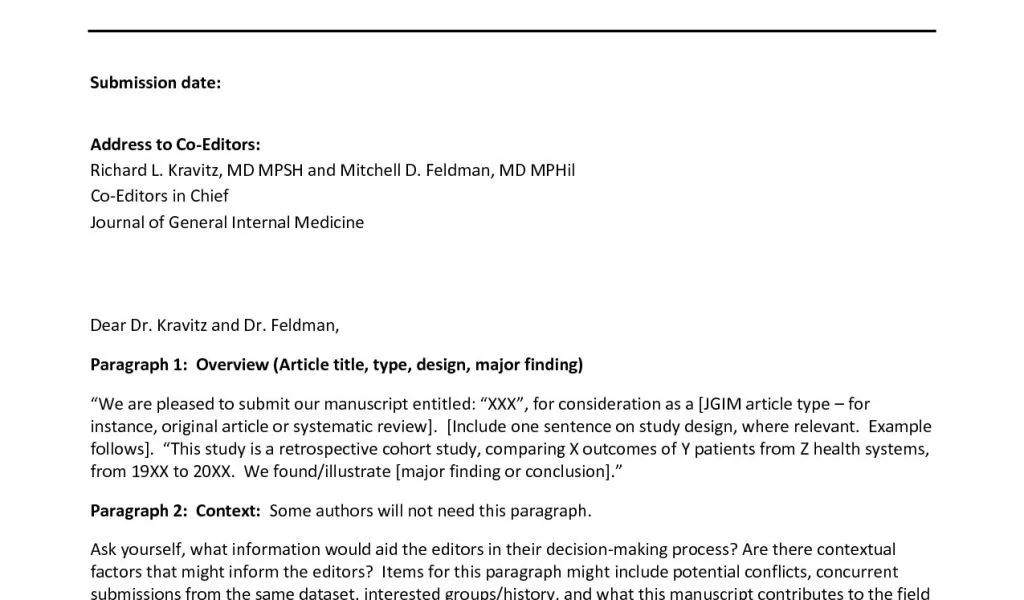
Crafting a Winning Cover Letter
A cover letter is your first impression and a crucial part of any writing submission. It’s your chance to showcase your skills, experience, and personality. Think of it as a sample of your writing, an appetizer before the main course, which is your actual submission. A well-crafted cover letter can significantly increase your chances of acceptance, while a poorly written one can land your work in the rejection pile. This is particularly true in the competitive world of writing, where editors and publishers receive numerous submissions daily. Crafting a winning cover letter involves understanding its purpose, knowing your audience, and highlighting what makes you unique as a writer.
Highlighting Your Writing Skills
Your cover letter is a chance to demonstrate your writing prowess. Avoid generic statements; instead, offer specific examples. Mention the type of writing you excel at (e.g., creative non-fiction, technical writing, poetry) and briefly describe your style. You can mention any awards or recognition you have received for your writing. Show, don’t just tell, the editor or publisher about your abilities. Incorporate strong verbs and varied sentence structures. Remember, every word counts, and the goal is to leave a lasting positive impression. If you have experience with specific writing platforms or software, be sure to mention them, as this can be an added benefit.
Showcasing Relevant Experience

While skills are important, relevant experience adds credibility to your application. If you have been published before, list the publications and any relevant details. This shows that you have successfully navigated the publishing process before. Also, include any relevant professional experience, like working as an editor or journalist. If you are a newcomer, it’s okay. You can discuss writing projects, even if they’re not published. Include links to a portfolio if applicable, making it easier for the reviewer to assess your work. Emphasize how your experience aligns with the publisher’s or editor’s needs, which showcases that you’re a good fit.
Tailoring Your Letter to the Submission
One of the biggest mistakes writers make is sending generic cover letters. Always customize your cover letter for each submission. Research the publication or the editor to understand their style and preferences. Mention the specific piece of writing you are submitting and why you believe it is a good fit for that particular outlet. Demonstrate that you understand the publication’s audience and mission. This tailored approach shows that you’ve taken the time to do your homework and are genuinely interested in their work. A personalized letter demonstrates professionalism and increases the chances of acceptance.
Understanding the Purpose of a Cover Letter
The primary purpose of a cover letter is to introduce yourself and your work. It’s not a place to reiterate your resume or submit the entire manuscript; it should be a concise and impactful document. The cover letter should provide context for your submission, explain why you chose to submit it to this particular editor or publisher, and highlight your qualifications. It should also set a tone for your communication, showing professionalism and enthusiasm. Effectively addressing this goal helps the editor to understand why they should read your submission and adds value to your application. This helps you stand out from other applicants.
Formatting Your Cover Letter for Success

The formatting of your cover letter can influence how it is received. Use a professional font, like Times New Roman or Arial, and maintain consistent font sizes. The letter should be single-spaced with a space between each paragraph. Make sure your letter is easy to read and visually appealing. Proofread carefully to ensure no grammatical errors or typos. Proper formatting demonstrates attention to detail and respect for the editor’s time. A well-formatted cover letter shows that you are serious about your submission and dedicated to presenting your best work.
Essential Elements of a Compelling Cover Letter
A compelling cover letter should contain the following elements: your contact information, the date, the editor’s name (if known), a clear statement of purpose, a brief description of your submission, a highlight of your relevant skills and experience, a statement on why you are submitting to this particular publication or editor, and a polite closing. Always include a call to action, inviting the editor to read your submission. Include your email address or other methods of contact for the editor’s convenience. Addressing these elements makes your cover letter clear, concise, and tailored to the specific submission, increasing its chances of success.
Opening and Closing Strategies
The opening and closing of your cover letter are particularly important. Your opening paragraph should immediately grab the editor’s attention. Mention something specific about the publication that resonates with you, or state the title of your submission and its purpose. In the closing, express gratitude for their time and consideration. Reiterate your interest in working with the publication and include a call to action, inviting them to read your work. A strong opening and closing will make your cover letter more memorable and professional. By using these strategies, you set the tone from the start and create a lasting positive impression.
Proofreading and Editing Your Cover Letter

Proofreading and editing are critical steps. Errors in your cover letter can undermine your credibility and make it seem like you don’t pay attention to detail. Before you submit your cover letter, read it carefully, looking for typos, grammatical errors, and awkward phrasing. Ideally, have someone else proofread it as well, as they might catch things you have missed. It’s also essential to ensure that the tone of your letter is appropriate and that the content is clear and concise. Thorough proofreading and editing will significantly increase your chances of success.
Standing Out from the Competition
To stand out, personalize your cover letter. Research the editor or publication. Demonstrate your passion for writing and your specific interest in what they publish. Including a relevant, short anecdote related to the submission can make your cover letter memorable. Use a unique voice that reflects your personality, but maintain professionalism. Always follow submission guidelines and address the editor respectfully. Making your cover letter unique and reflecting your personality will help you stand out in a sea of submissions. Remember, the goal is to convince the editor to read your writing; your cover letter is your chance to get their attention.
In conclusion, writing a winning cover letter for writing submissions requires careful planning, attention to detail, and a touch of personalization. By showcasing your skills, tailoring your letter to the specific submission, and presenting yourself professionally, you can significantly increase your chances of getting your work noticed. Remember, the cover letter is your first impression; make it count.