What Makes a Great Cover Letter
A great cover letter is a powerful tool in your job search arsenal. It’s not just a formality, but your first opportunity to make a strong impression on a potential employer. While your resume provides a factual overview of your work history, the cover letter allows you to tell your story, showcasing your personality, passion, and the unique value you bring. A well-crafted cover letter can be the deciding factor in whether you get an interview. It’s a chance to make a connection with the hiring manager and express your genuine enthusiasm for the role. Think of it as your personal introduction, going beyond the facts to build a compelling narrative that compels the reader to learn more.
Understanding the Purpose of a Cover Letter
The primary purpose of a cover letter is to introduce your resume and demonstrate how your qualifications directly align with the specific requirements of the job. It serves as a bridge, connecting your skills and experience to the needs of the company. A strong cover letter clarifies your interest in the position, highlighting the key elements of your background that make you a perfect fit. It’s an opportunity to elaborate on your resume, providing context, and explaining the ‘why’ behind your career choices and accomplishments. The goal is to showcase your personality, communication skills, and genuine enthusiasm for the role. By articulating your value proposition, you can differentiate yourself from other candidates and persuade the hiring manager to invite you for an interview. Your cover letter is your first chance to sell yourself to the employer.
Highlighting Your Skills and Experience

When highlighting your skills and experience, focus on the qualities that are most relevant to the job description. Start by carefully analyzing the job posting to identify the key skills, and requirements the employer is seeking. Then, use your cover letter to showcase how your qualifications align with these needs. Provide concrete examples of how you have successfully utilized these skills in previous roles, emphasizing the results you achieved. Quantify your achievements whenever possible, using numbers and data to demonstrate the impact of your work. The objective is to tailor your letter to each specific job application, ensuring that you emphasize the skills and experiences that are most pertinent to the position. A well-written cover letter connects the dots, making it easy for the hiring manager to see why you are the best fit.
Tailoring Your Cover Letter
One of the biggest mistakes job seekers make is sending generic cover letters. Tailoring your cover letter to each specific job application is absolutely essential for demonstrating your genuine interest and making a strong impression. Start by carefully reviewing the job description and identifying the key requirements and qualifications the employer is looking for. Then, customize your letter to highlight the specific skills and experiences that align with those requirements. Show that you understand the company’s mission, values, and culture. Tailoring your letter may also involve researching the company and addressing the hiring manager by name. By showing that you have taken the time to understand their needs, you’ll significantly increase your chances of success. Demonstrating your understanding of the role and the company is critical to getting noticed. This customization shows effort.
Researching the Company
Before you start writing, invest time in researching the company. Visit their website, read their mission statement, and learn about their products or services. Identify the company’s values and culture. This information will allow you to tailor your letter effectively and demonstrate your genuine interest in the company. Researching the company will also enable you to address the hiring manager with a more informed perspective. You can incorporate keywords and phrases used on the company’s website to include in your letter. This shows that you are a good fit and increase your chances of making a strong first impression. This preliminary research will make your cover letter more impactful.
Customizing Your Letter

Customizing your letter involves more than just changing the company name and job title. It means tailoring your content to reflect the specific needs and values of the organization. Highlight the experiences and skills that are most relevant to the role and use the company’s language and tone in your letter. Address the specific challenges that the company may be facing and explain how your skills and experience can contribute to their success. If possible, mention specific projects or initiatives that align with the company’s goals. Personalize your cover letter by incorporating details that demonstrate your understanding of the role, the company, and the industry. This shows that you are genuinely interested in the position and are committed to contributing to the company’s success. Personalization takes your cover letter to the next level.
Cover Letter Structure
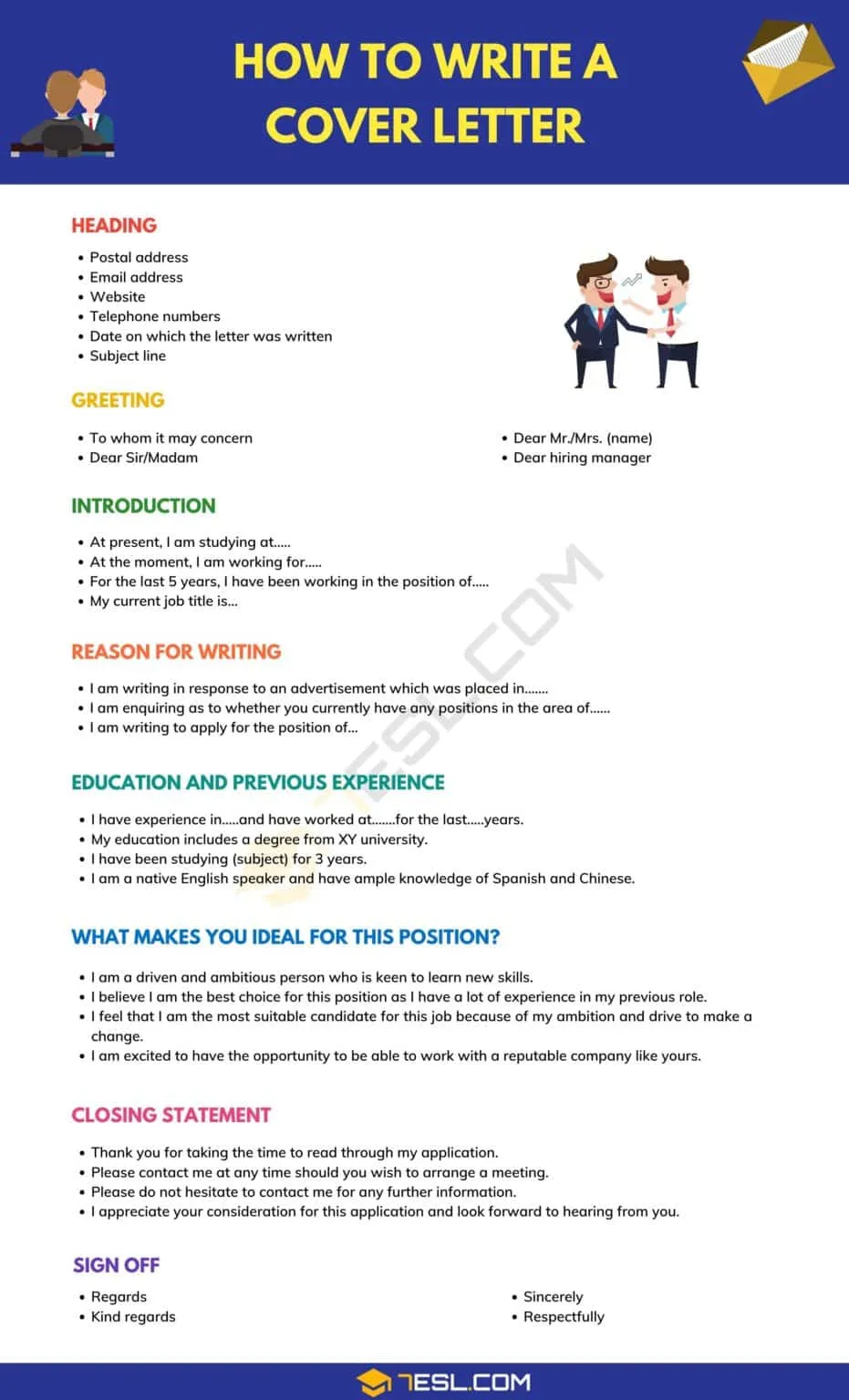
A well-structured cover letter is easy to read and clearly communicates your qualifications and interest in the job. The standard structure includes a header, a personalized opening, body paragraphs that highlight your skills and experience, and a closing paragraph that expresses your interest and call to action. By following this structure, you can effectively organize your thoughts and make a strong impression on the hiring manager. Make sure the formatting is consistent. Use clear headings and bullet points. Avoid long paragraphs and keep the language concise and easy to understand. This structure helps you to present information logically and persuasively. Consider how the hiring manager will read your cover letter.
Header and Contact Information
Your header should include your name, address, phone number, and email address. If you are applying for a job online, include your LinkedIn profile URL. Ensure that your contact information is up-to-date and accurate. Use a professional email address. The header also provides a professional touch to your cover letter. Place the date and the hiring manager’s contact information. If you know the name of the hiring manager, use it. If not, use a general salutation such as “Dear Hiring Manager.” Proper formatting, along with the correct contact details, provides a great first impression and makes it easier for the hiring manager to contact you.
The Opening Paragraph

The opening paragraph is your chance to grab the reader’s attention and introduce yourself. Clearly state the position you are applying for and how you learned about it. Briefly explain why you are interested in the role and the company. Be enthusiastic and make a strong first impression. Avoid generic openings like “I am writing to express my interest.” Instead, show your excitement and personalize your introduction. In your opening statement, convey what motivates you to apply for the job. Clearly show that you understand the job requirements. The opening paragraph sets the tone for your entire letter and should compel the reader to continue reading, creating curiosity.
Body Paragraphs: Show, Don’t Tell
The body paragraphs are where you showcase your skills, experience, and accomplishments. Don’t just list your qualifications; demonstrate them. Use the STAR method (Situation, Task, Action, Result) to provide specific examples of your accomplishments. Quantify your results whenever possible to demonstrate the impact of your work. Tailor your content to match the job description and highlight the key skills and requirements the employer is seeking. Keep your sentences concise and easy to understand. Use action verbs and avoid jargon. Your body paragraphs should tell a story, explaining why you are a good fit and how you can contribute to the company. The goal is to convince the hiring manager that you are a top candidate. Back up your claims with real-world examples.
Highlighting Achievements
Highlighting your achievements is crucial for demonstrating your value to a potential employer. Instead of simply listing your responsibilities, focus on the results you achieved in previous roles. Use the STAR method to provide context and show how you contributed to your previous company. Quantify your achievements whenever possible. Provide specific, measurable examples of your successes. Examples include “Increased sales by 15%” or “Reduced customer complaints by 20%.” Highlighting your accomplishments will set you apart from other applicants and show the hiring manager what you can bring to their company. Quantifiable achievements show potential.
Quantifying Your Results

Quantifying your results is a powerful way to demonstrate the impact of your work and showcase your achievements. Instead of simply stating that you “improved customer satisfaction,” provide specific numbers to illustrate your impact, such as “Increased customer satisfaction scores by 25%.” Use data and statistics to support your claims. This helps the hiring manager understand the scope and significance of your accomplishments. Quantifying your results is essential, whether you are highlighting accomplishments in sales, marketing, or any other field. Always aim to provide concrete examples and measurable outcomes. Quantifying your results adds credibility to your claims and makes you a more compelling candidate. Numbers tell a story.
Closing Paragraph: Call to Action
Your closing paragraph should summarize your interest in the position and reiterate your qualifications. Thank the hiring manager for their time and consideration. Clearly state your desire for an interview and provide a call to action, such as, “I am eager to discuss my qualifications further. I can be reached at [phone number] or [email address].” Make it clear that you are available and eager to speak. End the letter with a professional closing, such as “Sincerely,” “Best regards,” or “Thank you for your time.” The closing paragraph ensures your cover letter ends on a positive and proactive note. It leaves a lasting impression, prompting the hiring manager to take the next step in the hiring process, setting you up for the interview.
Essential Cover Letter Tips for Success
Several key tips can help you create a cover letter that stands out. Proofread your letter carefully for any errors in grammar or spelling. Pay attention to formatting and design. Choose a professional font and use clear headings and bullet points. Make sure your cover letter is easy to read and visually appealing. Use keywords from the job description to ensure your letter gets noticed by applicant tracking systems (ATS). Avoid common mistakes, such as using generic cover letters or including typos. These tips will significantly increase your chances of success, leading to a better cover letter.
Proofreading and Editing

Proofreading and editing are critical steps in the cover letter writing process. Before sending your cover letter, carefully review it for any errors in grammar, spelling, or punctuation. Read your letter aloud to catch any awkward phrasing or sentence structure. It helps to have a second pair of eyes to proofread your letter. Ask a friend, family member, or career counselor to review it. Correcting errors in your cover letter will improve your credibility and demonstrate your attention to detail. A well-written, error-free cover letter is a sign of professionalism and will increase your chances of getting an interview. This shows how you work under pressure.
Formatting and Design
The formatting and design of your cover letter play an important role in how it’s received. Choose a clean, professional font, such as Arial, Calibri, or Times New Roman. Use a font size between 10 and 12 points. Use headings, bullet points, and white space to break up the text and make it easier to read. Avoid using flashy fonts or excessive formatting. Keep the design simple and elegant. A well-formatted and designed cover letter will be more appealing and will make a strong first impression. The goal is to make your letter easy to read and visually appealing. It reflects your professionalism and attention to detail. Good design makes your content more readable.
Keywords and SEO Optimization
Many companies use applicant tracking systems (ATS) to screen cover letters and resumes. To ensure your cover letter gets noticed, incorporate keywords from the job description. Carefully review the job posting and identify the key skills, qualifications, and keywords. Integrate these keywords naturally into your cover letter. Avoid keyword stuffing. The goal is to highlight your qualifications and demonstrate how you meet the job requirements. By optimizing your cover letter for keywords, you increase your chances of passing the ATS screening process and getting your letter into the hands of a hiring manager. SEO optimization is vital in a digital era. Keywords are essential for visibility.
Common Mistakes to Avoid

Avoiding common mistakes can significantly improve your cover letter. One of the most significant mistakes is sending a generic cover letter that isn’t tailored to the specific job. Other mistakes include typos and grammatical errors, ignoring the job description, and using an unprofessional tone. Take the time to review your letter and make sure that you avoid these common pitfalls. By avoiding these mistakes, you can create a cover letter that showcases your qualifications and demonstrates your enthusiasm for the job. Avoid these pitfalls to set your cover letter apart.
Generic Cover Letters
Generic cover letters are one of the most common mistakes job seekers make. These letters are not tailored to the specific job or company and fail to demonstrate your genuine interest in the position. Avoid using a generic template or simply swapping out the company name and job title. Take the time to research the company and customize your letter to reflect the specific requirements of the job. Show your understanding of the company’s values and culture. Demonstrating this understanding will help you make a stronger impression and increase your chances of landing an interview. Generic cover letters give the impression of not caring.
Typos and Grammatical Errors
Typos and grammatical errors can damage your credibility and create a negative impression on the hiring manager. Proofread your cover letter carefully before submitting it. Mistakes make you look careless and unprofessional. Review your letter for any errors in spelling, punctuation, and grammar. Read your letter aloud to catch any awkward phrasing. Ask a friend, family member, or career counselor to proofread it for you. Ensure your cover letter is free of errors. It shows attention to detail and professionalism. Correcting typos and grammatical errors helps you make a strong positive impression. Accuracy is key.
Ignoring the Job Description

Ignoring the job description is a critical mistake that can significantly reduce your chances of getting an interview. The job description outlines the specific requirements and qualifications the employer is seeking. If your cover letter doesn’t align with these requirements, it’s unlikely to make a positive impression. Carefully review the job description and identify the key skills, experiences, and qualifications. Then, tailor your cover letter to highlight how your qualifications match the job requirements. Demonstrate your understanding of the role and show the employer why you are the best fit. Pay close attention to the job description to increase your chances of success. Alignment is key.
Cover Letter Examples and Templates
Using cover letter examples and templates can be helpful, but be cautious. While they can provide a good starting point and guide you through the structure, avoid simply copying and pasting. Use templates as a foundation and customize them to reflect your unique qualifications and the specific requirements of the job. Remember to tailor your cover letter. Show your personality and express your genuine interest. Ensure that your letter showcases your skills and experiences. They can be a great place to start, but remember to personalize them. Templates are a good starting point.
Where to Find Examples
You can find cover letter examples on various websites, including career websites, job boards, and professional networking sites like LinkedIn. Many universities and colleges offer cover letter templates and examples. Researching cover letters can give you insight into how to approach the content and format. Seek advice from career counselors. Use these resources as a starting point. Ensure your cover letter is tailored to the job and reflects your unique qualifications. Use these examples wisely. They can inspire you and guide you through the writing process.
Using Templates Effectively
Using templates can be a helpful way to get started. However, remember to customize the template to match your qualifications and the job requirements. Don’t simply fill in the blanks. Replace the generic content with your own experiences and accomplishments. Focus on the skills and experiences that are most relevant to the job. Tailor the language and tone to fit the company’s culture. Proofread your letter carefully to catch any errors. If using a template, make it your own. Personalizing your letter ensures it reflects your unique qualifications. This increases your chances of making a strong impression. Make the template fit you.
Final Thoughts
Writing an effective cover letter takes time and effort, but the rewards are significant. By following these tips and avoiding common mistakes, you can create a cover letter that grabs the attention of the hiring manager and increases your chances of landing an interview. Remember to tailor your cover letter to each job. Focus on highlighting your relevant skills and experiences. Proofread your letter carefully, and ensure it’s free of errors. Show enthusiasm for the role. With a well-crafted cover letter, you’ll be well on your way to landing your dream job. Take the time to create a great cover letter, which will enhance your chance of success.