What is a Cover Letter Why Is It Important?
A cover letter is a crucial document that accompanies your resume when applying for a job. It serves as your introduction to the hiring manager, providing an opportunity to showcase your personality, skills, and enthusiasm for the position. It’s not just a formality; it’s your chance to make a strong first impression and convince the employer why you’re the perfect fit. A well-crafted cover letter can significantly increase your chances of landing an interview by highlighting your qualifications and demonstrating your understanding of the job requirements. It allows you to expand on your resume, providing context and depth to your experiences, and ultimately, setting you apart from other applicants. Think of it as your personal sales pitch, selling your skills and expertise to the potential employer. This document needs to capture the attention of the recruiter immediately; therefore, use strong words and tailor it to the specific job opening.
Cover Letter Structure Key Elements
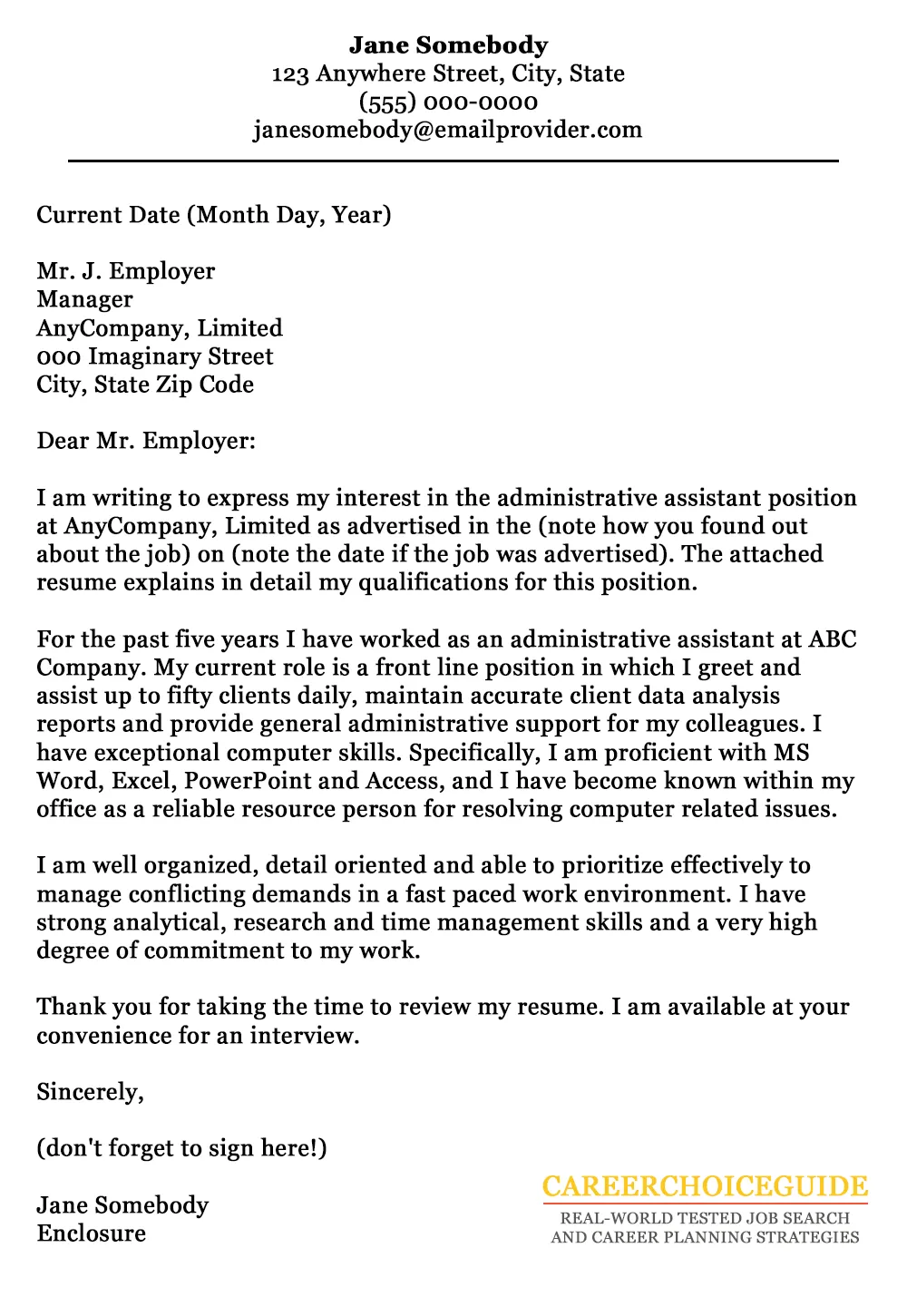
A cover letter, when properly structured, can significantly enhance your job application and increase your chances of securing an interview. This document should be meticulously organized and each section must have a specific purpose. A well-structured cover letter typically includes your contact information, the date, the hiring manager’s details, a compelling opening paragraph, body paragraphs that highlight your value, a closing paragraph with a call to action, and finally, a professional signature. Each section plays a pivotal role in presenting you as a competent and suitable candidate. The opening paragraph sets the tone and grabs the reader’s attention, while the body paragraphs provide specific examples of your skills and experiences. The closing reiterates your interest and prompts the hiring manager to take the next step. Furthermore, the formatting of the cover letter also plays a crucial role in the overall appeal. Therefore, adhering to a standard format with clear headings, concise paragraphs, and ample white space ensures readability and professionalism.
Your Contact Information

At the very top of your cover letter, you should include your full name, phone number, email address, and LinkedIn profile URL (if applicable). This information should be clearly displayed, allowing the hiring manager to easily contact you if they are interested in your application. Ensure that the email address is professional and appropriate for a job application. Using a formal email address instead of a casual one demonstrates your professionalism and attention to detail. Keep your contact information updated and accurate. A simple error in your contact information could mean you miss out on a job opportunity. The contact information should align with the one on your resume to maintain consistency.
The Date and Hiring Manager’s Information
Below your contact information, include the current date. Then, address the letter to the hiring manager or the person specified in the job posting. If a name isn’t provided, research the company’s website or LinkedIn to find out who to address the letter to, or use a general salutation like ‘Dear Hiring Manager’. Always address the letter to a specific person; this shows that you have taken the time to research and personalize your application. In the absence of a specific name, addressing your cover letter to the hiring manager can be a good alternative. However, avoid using outdated salutations like ‘To Whom It May Concern’. Knowing the correct contact person makes your application more personable. Using the right information is a small step that sets the tone for the rest of your application and shows your commitment to the application process.
Opening Grab Attention Immediately
The opening paragraph of your cover letter is your first and most important opportunity to grab the hiring manager’s attention. Begin with a strong opening statement that immediately captures their interest. Avoid generic greetings. Instead, tailor the opening to the specific job and company. You can mention how you learned about the position and express your enthusiasm for the opportunity. Highlight a key skill or achievement that aligns with the job requirements to immediately demonstrate your suitability for the role. Your opening should be concise, engaging, and make the reader want to learn more. Keep it brief and to the point, and ensure it reflects your personality and enthusiasm for the role. This initial paragraph is crucial for setting a positive tone and encouraging the hiring manager to continue reading.
Body Paragraphs Highlight Your Value

The body paragraphs of your cover letter are where you provide evidence of your value. These paragraphs allow you to showcase your skills, experience, and accomplishments in detail. Use these sections to elaborate on your qualifications and explain how they align with the job requirements. Support your claims with specific examples and quantifiable achievements whenever possible. Provide concise and engaging narratives to illustrate your capabilities. The body paragraphs should demonstrate why you are the best candidate for the role. Focus on the key skills and experiences that are most relevant to the job description, and tailor your examples to reflect the specific needs of the employer. Ensure that your writing is clear, concise, and easy to follow. Keep it focused and avoid irrelevant information. Highlight how you have used your skills to achieve positive results in the past.
Skills and Experience Showcase Achievements
The core of your cover letter should focus on demonstrating your skills and experiences in a way that highlights your achievements. It is important to provide specific examples of your accomplishments, rather than simply listing your responsibilities. Use the STAR method (Situation, Task, Action, Result) to structure your examples and provide concrete evidence of your abilities. Quantify your achievements whenever possible by including numbers, percentages, or other measurable results. This will showcase the impact you have had in previous roles. Tailor the skills and experiences you highlight to match the requirements of the job description. By focusing on relevant accomplishments and demonstrating your abilities, you will make a strong case for why you are the best candidate for the position. Furthermore, try to incorporate keywords from the job description into your descriptions to showcase your understanding of what the employer is looking for.
Tailor Your Letter Match the Job Description
Personalization is key. Avoid using a generic cover letter and tailor it to each job you apply for. Carefully review the job description and identify the key requirements, skills, and qualifications the employer is seeking. Then, customize your cover letter to highlight the experiences and achievements that align with these requirements. Use keywords and phrases from the job description to demonstrate your understanding of the role and your ability to meet the employer’s needs. Explain how your skills, experience, and career goals align with the position and the company’s values. This shows that you have taken the time to understand the job and are genuinely interested in the opportunity. Customizing your cover letter demonstrates your genuine interest and increases your chances of making a strong impression.
Closing Call to Action

The closing paragraph is your final opportunity to leave a lasting impression and encourage the hiring manager to take action. Reiterate your enthusiasm for the position and express your interest in an interview. Clearly state your availability and willingness to discuss your qualifications further. End your cover letter with a professional closing, such as ‘Sincerely’ or ‘Best regards’, followed by your full name. Thank the hiring manager for their time and consideration. It is crucial to include a call to action in the closing, so the recruiter knows what to do next. By including a strong call to action, you will ensure that the hiring manager knows what you want them to do, thereby showing your proactive approach. Make sure to provide your contact information again in the closing, to make sure that the recruiter can quickly contact you. This final step reinforces your interest and shows that you are committed to moving forward in the hiring process.
Proofread and Edit Ensure Perfection
Before submitting your cover letter, thoroughly proofread and edit it to eliminate any errors. Grammatical errors, spelling mistakes, and typos can create a negative impression and undermine your credibility. Check for clarity, conciseness, and flow. Ensure your writing is easy to understand and that your ideas are well-organized. Read the letter aloud to catch any awkward phrasing or repetitive sentences. Ask a friend, family member, or career counselor to review your cover letter and provide feedback. A second pair of eyes can often spot errors that you may have missed. Pay close attention to details like the formatting, font, and overall presentation of your letter. A polished and error-free cover letter demonstrates your attention to detail and professionalism. Make sure that the language in the cover letter is appropriate to the type of job that you are applying for. It’s important to present yourself as the ideal candidate, so it’s essential to proofread and edit your letter before submitting it.