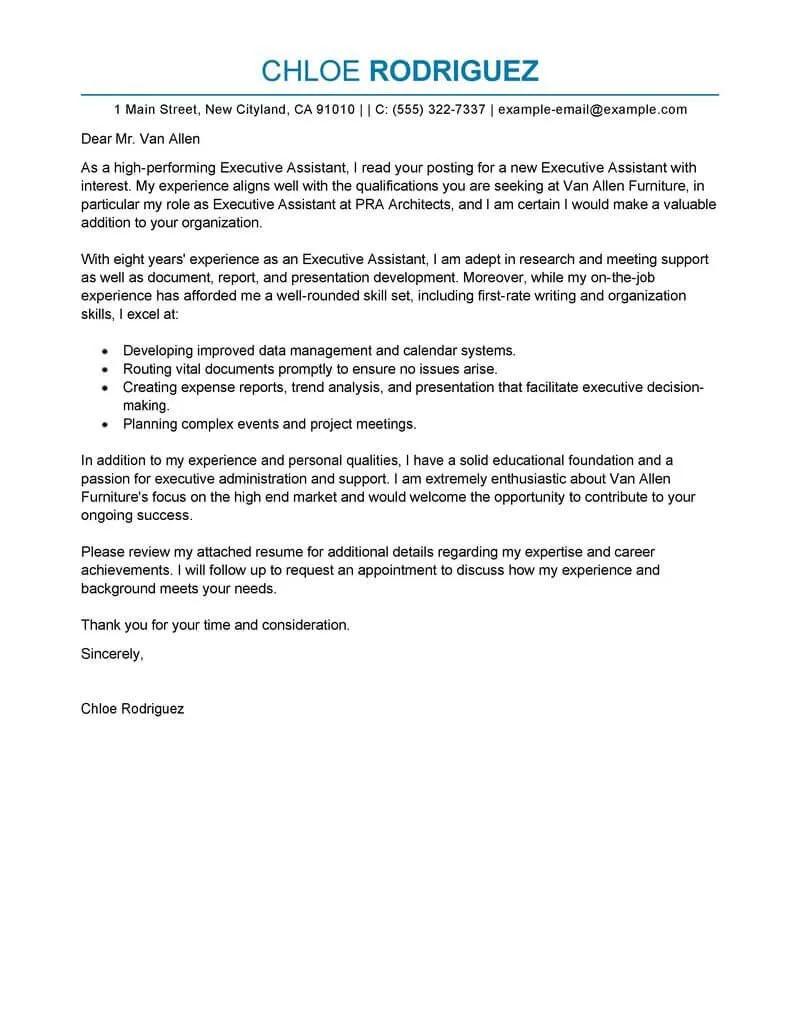
Crafting the Perfect Executive Assistant Cover Letter
Securing an executive assistant position requires more than just a stellar resume; a compelling cover letter is your chance to shine. It’s your opportunity to showcase your personality, highlight your key skills, and demonstrate why you’re the ideal candidate. This guide will provide you with the secrets to crafting an impactful cover letter that grabs the attention of hiring managers and sets you apart from the competition. From highlighting your organizational prowess to tailoring your letter for each specific role, we’ll cover everything you need to know to make a lasting impression. Remember, your cover letter is not just a formality; it’s your personal marketing tool, designed to convince the reader that you are the best fit for the job. Let’s get started crafting your success story!
Highlighting Your Key Skills
Executive assistants need a diverse skill set to thrive in their roles. Your cover letter is the perfect place to highlight the skills most relevant to the position. Focus on demonstrating your proficiency and providing concrete examples of how you’ve utilized these skills to achieve success in previous roles. Avoid simply listing skills; instead, weave them into narratives that demonstrate your ability to perform and excel. Consider the specific requirements outlined in the job description and tailor your skills section to reflect these needs. By showcasing your abilities effectively, you can quickly convince potential employers that you possess the qualities they seek in a candidate.
Organizational and Time Management Prowess

Executive assistants are the backbone of any well-functioning office, and organization and time management are at the core of their responsibilities. In your cover letter, emphasize your ability to manage complex schedules, prioritize tasks effectively, and maintain a high level of organization. Provide examples of how you’ve streamlined processes, managed multiple projects simultaneously, and consistently met deadlines. Quantify your achievements wherever possible, such as by specifying the percentage by which you improved efficiency or reduced errors in administrative tasks. Use phrases like ‘successfully managed’ or ‘implemented a system that improved’ to showcase your proactive approach to these critical duties.
Communication and Interpersonal Abilities
Excellent communication and interpersonal skills are non-negotiable for executive assistants. Highlight your ability to communicate clearly, both verbally and in writing, and your knack for building strong relationships with colleagues, clients, and executives. Mention your experience in managing correspondence, drafting professional emails and letters, and handling sensitive information with discretion. Provide examples of how you’ve resolved conflicts, facilitated effective communication within a team, or represented your executive in a positive and professional manner. Emphasize your empathy, adaptability, and ability to understand and respond to diverse communication styles, which are all critical aspects of the role.
Tech Savvy and Proficiency
In today’s digital landscape, technological proficiency is a must-have skill for executive assistants. Showcase your proficiency with various software applications, including Microsoft Office Suite, Google Workspace, CRM systems, and any other industry-specific tools. Mention any experience with project management software, online scheduling tools, or video conferencing platforms. Demonstrate your ability to quickly learn new technologies and adapt to changing technological environments. You can also mention your experience with social media management if it is part of the job description, further demonstrating your versatility and adaptability to meet diverse administrative needs.
Showcasing Relevant Experience

While skills are important, your experience is what brings those skills to life. In this section, provide a concise overview of your relevant work history, focusing on roles and responsibilities that align with the executive assistant position you’re applying for. Use action verbs to describe your duties and accomplishments, and provide context for your achievements. Ensure you tailor this section to the specific requirements mentioned in the job description. For instance, if the role involves managing travel arrangements, highlight your experience in booking flights, hotels, and transportation, and any related skills such as budget management or dealing with travel agencies.
Quantifying Achievements and Impact
Whenever possible, quantify your achievements and impact in previous roles. Instead of saying ‘managed schedules,’ state ‘managed schedules for a team of five executives, resulting in a 15% increase in meeting efficiency.’ Quantifying your accomplishments adds credibility and demonstrates the tangible results you’ve delivered. Use metrics like percentages, dollar amounts, or specific numbers to showcase your contributions. This not only highlights your proficiency but also makes it easier for hiring managers to understand the value you can bring to their organization. Focusing on results is key; it provides concrete evidence of your abilities and the impact you’ve made in past roles.
Tailoring Your Letter to the Specific Role
One of the most important secrets to a successful cover letter is tailoring it to each specific job application. Never send a generic cover letter; instead, meticulously review the job description and identify the key requirements and preferred qualifications. Then, adjust your letter to highlight the skills and experiences most relevant to that particular role. Use keywords from the job description to showcase your understanding of the position. If the role emphasizes experience with a specific industry or software, make sure to address it. By tailoring your letter, you demonstrate that you understand the role and are genuinely interested in the opportunity, increasing your chances of getting noticed.
Formatting and Structure for Maximum Impact

The structure and formatting of your cover letter are as crucial as its content. A well-organized letter is easier to read and makes a better first impression. Pay close attention to the layout, ensuring it is clean, professional, and easy on the eyes. Use clear headings, concise paragraphs, and ample white space to create a visually appealing document. A well-formatted cover letter demonstrates attention to detail and professionalism, setting you up for success.
Header and Contact Information
Start your cover letter with a professional header that includes your contact information: full name, phone number, email address, and optionally, your LinkedIn profile URL. Make sure this information is accurate and up-to-date. Also, include the date and the hiring manager’s name (if you know it) and the company’s address. If you’re unsure of the hiring manager’s name, research the company website or LinkedIn to find the correct contact person. Addressing your letter to a specific person shows initiative and personalization, making your application stand out from the crowd.
Professional Tone and Language
Maintain a professional tone throughout your cover letter. Use formal language and avoid slang, contractions, and casual phrasing. Keep the tone positive and enthusiastic, highlighting your skills and experience without sounding boastful. Proofread carefully for grammatical errors and typos, as they can undermine your credibility. Aim for a polished, confident voice that reflects your ability to communicate effectively in a professional setting. Remember, your cover letter is a reflection of your professionalism and attention to detail.
Body Paragraphs That Impress

The body of your cover letter is where you truly make your case. It typically consists of three main paragraphs: an opening, a middle section detailing your qualifications, and a closing with a call to action. Each paragraph should be concise, focused, and engaging. The goal is to create a compelling narrative that quickly captures the hiring manager’s attention and demonstrates your suitability for the role. The information included in each paragraph is vital to making the right impression and generating interest in your application.
Opening: Grabbing Their Attention
Your opening paragraph is your first opportunity to make a strong impression. Start by expressing your interest in the position and mentioning where you found the job posting. Briefly state why you’re a great fit for the role, and immediately capture their attention. Consider starting with a compelling statement that highlights your key strengths or a brief summary of a relevant achievement. The goal is to make the reader want to learn more. Avoid generic openings; instead, personalize your introduction to make it stand out from the competition. Show enthusiasm for the role and demonstrate your understanding of the company’s values or mission.
Middle: Detailing Your Value
The middle section of your cover letter is where you provide the most detailed information about your qualifications and experience. Structure this section by highlighting the skills and experiences most relevant to the job description. Provide concrete examples of how you’ve utilized these skills to achieve success in previous roles. Use the STAR method (Situation, Task, Action, Result) to structure your examples, providing context, describing your actions, and quantifying the results. This helps to demonstrate your abilities and show how you can bring value to the company. Emphasize accomplishments and quantifiable achievements. By doing so, you paint a clear picture of your capabilities and potential.
Closing: Call to Action and Enthusiasm

Your closing paragraph should reiterate your interest in the position and include a call to action. Thank the hiring manager for their time and consideration. Express your enthusiasm for the opportunity and indicate your availability for an interview. End with a confident statement about how your skills and experience align with the company’s needs. A strong call to action might be a simple statement like, ‘I am eager to discuss how my skills and experience can benefit your organization.’ Ensure your closing is professional and leaves the reader with a positive impression of your application.
Proofreading and Polishing Your Cover Letter
Before you submit your cover letter, it’s essential to proofread and polish it thoroughly. Typos, grammatical errors, and formatting inconsistencies can significantly undermine your credibility. Take the time to review your letter multiple times, checking for any errors. If possible, have a friend, family member, or career counselor review your cover letter to provide feedback. A fresh pair of eyes can catch mistakes you may have missed. Proofreading is a critical step in ensuring your cover letter presents you in the best possible light and reinforces your professionalism. Taking this extra step demonstrates attention to detail and commitment.
Common Mistakes to Avoid
Avoid these common mistakes to ensure your cover letter shines. Do not send a generic cover letter; always tailor your letter to each job application. Avoid typos and grammatical errors; proofread meticulously. Don’t be overly wordy; keep your letter concise and to the point. Do not be negative or critical of past employers. Avoid simply restating your resume; provide additional details and context. Finally, avoid making the cover letter too long. Keep it to one page. By avoiding these pitfalls, you significantly increase your chances of making a positive impression and securing an interview.
Getting Feedback for Improvement

Seeking feedback is a valuable step in improving your cover letter. Share your cover letter with career counselors, mentors, or trusted colleagues. Ask for their honest opinions about the clarity, content, and overall impact of your letter. Be open to suggestions and use the feedback to refine your writing. Review your cover letter alongside the job description to ensure you’ve addressed all the key requirements. Consider researching successful cover letter examples to see how other candidates have showcased their skills and experience. Constructive feedback and continuous improvement will lead to a more compelling and effective cover letter.