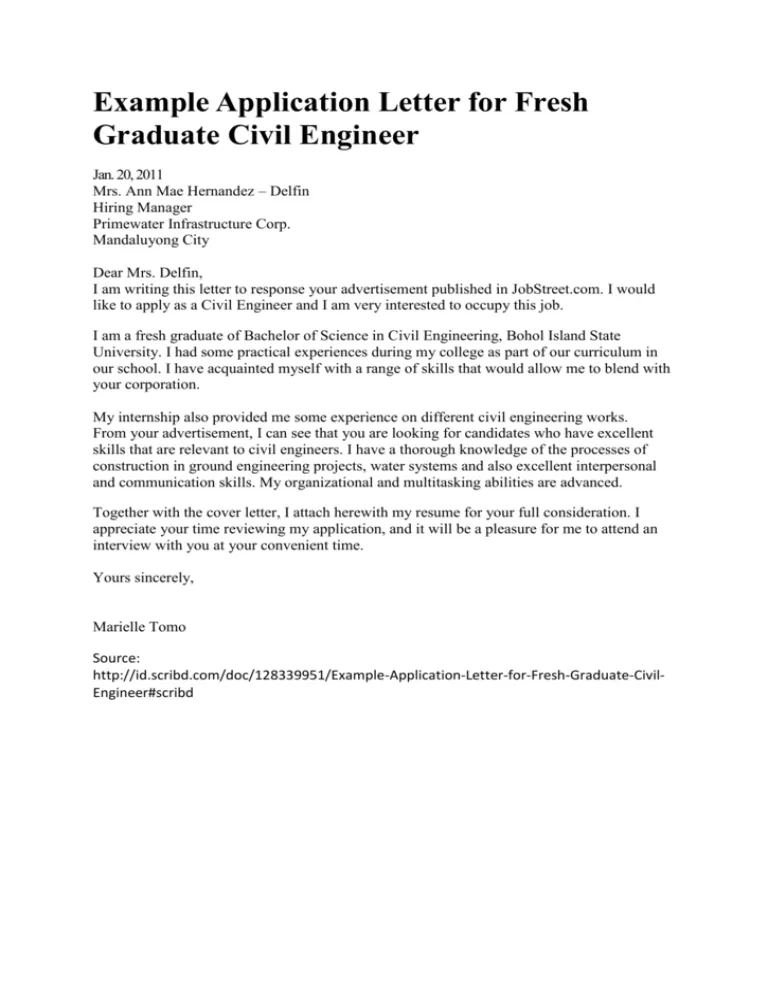
As a fresh graduate, you’re stepping into a competitive job market. While your resume showcases your academic achievements and any work experience, a well-crafted cover letter is your secret weapon. It’s your chance to shine, to demonstrate your personality, and to convince potential employers that you’re the perfect fit. A strong cover letter does more than just list your qualifications it tells a story, showing why you’re passionate about the role and the company. Let’s dive into the secrets of creating a cover letter that will get you noticed.
Why a Stellar Cover Letter Matters for Fresh Grads
For fresh graduates, the cover letter is often the first, and sometimes only, chance to distinguish themselves from the crowd. With limited work experience, the cover letter allows you to highlight your potential, enthusiasm, and transferable skills. It demonstrates your communication skills, attention to detail, and genuine interest in the opportunity. A compelling cover letter proves that you’re willing to go the extra mile and that you’re serious about landing the job. It’s your personal introduction, giving you a voice and a chance to make a memorable first impression.
Highlighting Your Skills
Your cover letter is the ideal place to showcase the skills you’ve acquired through your education, projects, internships, and extracurricular activities. Be specific and provide examples of how you’ve used these skills to achieve results. Don’t just list skills; demonstrate them through storytelling. This is where you connect your abilities to the specific requirements of the job description. The more relevant skills you can showcase, the better your chances of landing an interview.
Transferable Skills

Transferable skills are those that can be applied across various roles and industries. These include communication, teamwork, problem-solving, time management, and leadership. Even if you lack direct work experience, you can draw on experiences from your studies, volunteering, or hobbies to illustrate these skills. For example, describe a project where you demonstrated teamwork, or a situation where you successfully resolved a conflict. These examples show that you have the essential abilities that employers are seeking.
Technical Skills
Technical skills are the specific abilities required for a particular job. These might include software proficiency, data analysis, coding, or design skills. Make sure to list any relevant technical skills you possess, along with your level of proficiency. If you’ve completed any relevant courses or certifications, be sure to mention them. Also, try to show how you’ve applied these skills in real-world scenarios, such as in academic projects or internships.
Soft Skills
Soft skills, such as communication, adaptability, and problem-solving, are crucial in any workplace. Highlight these skills by providing examples of how you’ve used them in the past. Did you lead a team project? Describe how you managed the team and overcame any challenges. Did you successfully present a complex topic? Mention your communication skills and ability to explain ideas clearly. Showcasing soft skills provides a more complete picture of your capabilities.
Showcasing Your Enthusiasm

Employers want to hire people who are genuinely interested in their company and the role. Your cover letter is the perfect place to express your enthusiasm and explain why you’re excited about the opportunity. Show that you’ve done your research and understand what the company does and what the role entails. Your passion will make you stand out from other applicants.
Researching the Company
Before you start writing, thoroughly research the company. Visit their website, read their mission statement, and look for recent news or projects. This research will help you tailor your cover letter to their specific needs and values. Demonstrate that you understand the company’s goals and how you can contribute to their success. Mentioning specific projects or initiatives shows that you’re invested in their work.
Expressing Genuine Interest
Your cover letter should clearly state why you’re interested in the specific role and the company. Avoid generic statements. Instead, explain what aspects of the role or company particularly appeal to you. Perhaps you’re drawn to their innovative approach, their commitment to a particular cause, or their company culture. Share specific reasons for your interest to demonstrate that you’ve given the opportunity careful thought. This makes your cover letter memorable and personal.
Structuring Your Cover Letter

A well-structured cover letter is easy to read and makes a strong impression. The organization of your letter can significantly impact its effectiveness. Ensure it flows logically, presenting your qualifications and enthusiasm in a clear and concise manner. Use the following sections to guide your writing.
Header and Salutation
Start with a professional header that includes your contact information and the date. Then, address the hiring manager by name if possible. If you don’t know the name, use a general greeting like ‘Dear Hiring Manager.’ Avoid overly casual greetings or starting without a salutation altogether. Always show professionalism from the outset.
Body Paragraph 1: Grabbing Attention
In the opening paragraph, immediately grab the reader’s attention. Mention the position you’re applying for and where you found the job posting. You can also include a brief, compelling statement about why you’re a strong candidate or highlight a key achievement that relates to the role. This initial paragraph sets the tone and encourages the hiring manager to keep reading.
Body Paragraph 2: Skills and Achievements

This is where you showcase your skills and achievements. Use specific examples from your academic, internship, or extracurricular experiences to demonstrate your abilities. Quantify your achievements whenever possible (e.g., ‘Increased social media engagement by 30%’). Relate your skills to the job description to show how you meet the requirements. Keep this section concise, focusing on the most relevant qualifications.
Body Paragraph 3: Company Alignment
In this paragraph, demonstrate your understanding of the company and why you want to work there. Explain how your values align with the company’s mission or culture. Show that you’ve researched the company and are excited about its work. Mention any specific projects or initiatives that resonate with you. This shows that you’re not just looking for a job; you’re interested in contributing to the company’s success.
Call to Action and Closing
In the closing paragraph, reiterate your interest in the position and express your enthusiasm for an interview. Thank the hiring manager for their time and consideration. Include a clear call to action, such as ‘I look forward to hearing from you soon’ or ‘I am eager to discuss how my skills can contribute to your team.’ End with a professional closing, such as ‘Sincerely’ or ‘Best regards’.
Formatting and Design

The format and design of your cover letter are essential for making a positive first impression. The appearance of your cover letter reflects your professionalism and attention to detail. Ensure that the layout is clean, readable, and free of errors.
Font and Readability
Choose a professional and easy-to-read font, such as Times New Roman, Arial, or Calibri. Use a font size between 10 and 12 points. Ensure that the text is well-spaced and that there is enough white space on the page. Avoid using fancy or overly stylized fonts, as they can be difficult to read. A clean and simple design makes your cover letter more accessible and allows the hiring manager to focus on your content.
Length and Tone
Keep your cover letter concise, ideally one page. Use a professional and enthusiastic tone, avoiding overly casual language or jargon. Be confident but not arrogant. Write in a clear and direct manner, using strong action verbs to describe your skills and achievements. Ensure that your writing style aligns with the company’s culture and the tone of the job posting.
Proofreading and Editing

Proofreading and editing are crucial steps in the cover letter writing process. Errors in grammar, spelling, or punctuation can undermine your credibility and damage your chances of getting an interview. Always proofread your cover letter carefully. Read it aloud to catch any awkward phrasing or errors. Have a friend or family member review it as well. A second pair of eyes can often spot mistakes that you might miss. Remember to check for consistency in formatting and style.
In conclusion, a well-crafted cover letter is a vital tool for fresh graduates seeking to launch their careers. By highlighting your skills, showcasing your enthusiasm, and following the structure and formatting guidelines, you can create a cover letter that stands out. Take the time to research the company, tailor your letter to the specific role, and proofread carefully. With these tips, you’ll be well on your way to securing interviews and landing your dream job. Good luck!