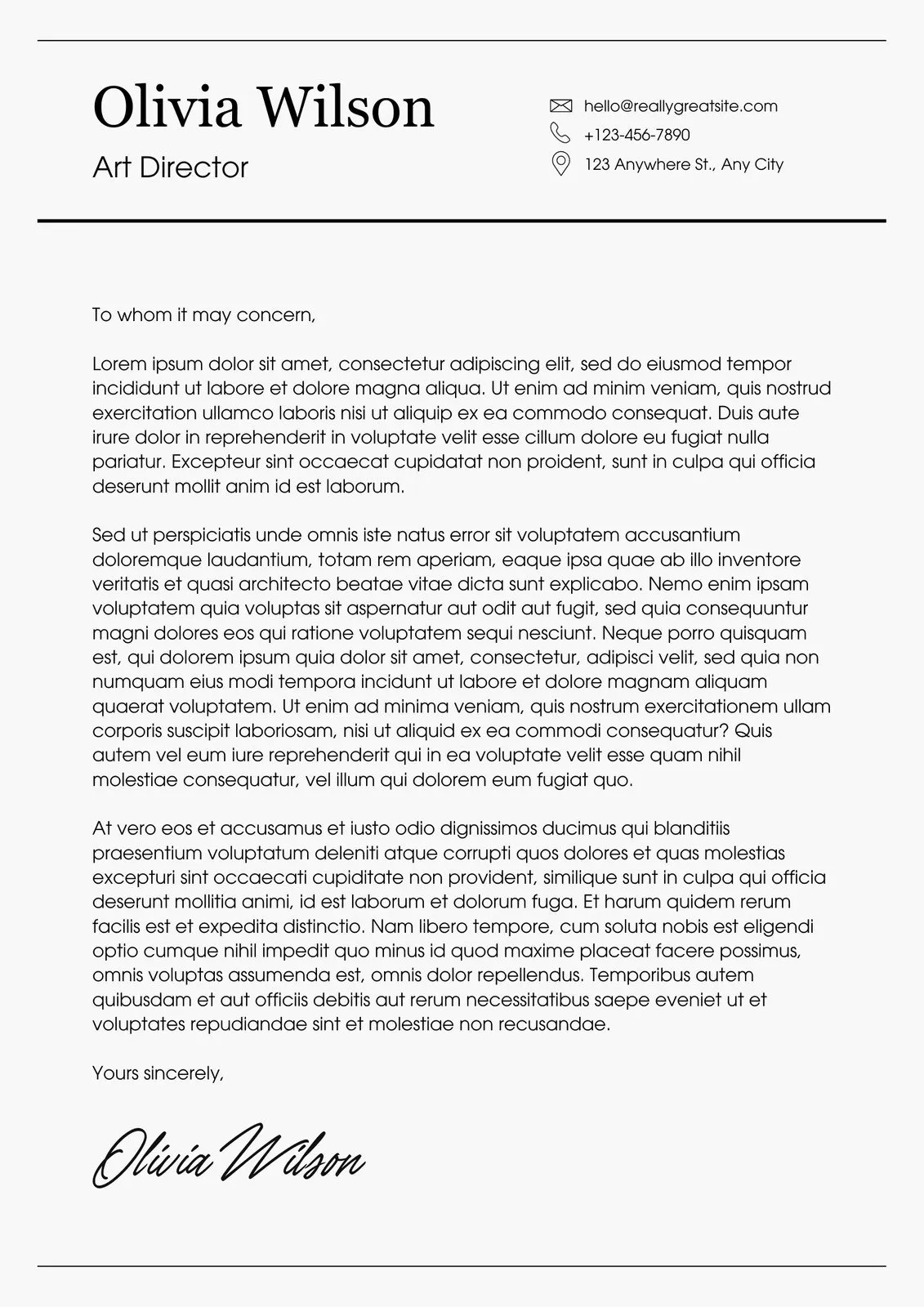
What is a Cover Letter
A cover letter is a crucial document that accompanies your resume when applying for a job. It serves as your introduction to a potential employer, providing a concise overview of your qualifications, skills, and experiences. It’s your opportunity to highlight why you are the ideal candidate and express your genuine interest in the position. Unlike a resume, which offers a factual summary of your career, a cover letter allows you to personalize your application, showcasing your personality and demonstrating how your aspirations align with the company’s values and goals. Crafting a compelling cover letter is essential for making a positive first impression and increasing your chances of securing an interview.
Cover Letter Samples
Cover letter samples are pre-written examples that provide a template or guide for crafting your own cover letter. They are invaluable resources, offering insights into structure, language, and content. These samples come in diverse formats to cater to various job types and industries. Utilizing cover letter samples helps you grasp the fundamental components of a winning cover letter and enables you to tailor them to your unique qualifications. They serve as a springboard for your creativity, giving you a solid foundation to build upon while ensuring your application is both professional and compelling. The goal is to adapt these samples to your specifics, creating a distinct and memorable application.
Key Sections to Include

A well-structured cover letter should include several key sections to effectively convey your message. Begin with a professional header, containing your contact information and the date, followed by the recipient’s details. The introductory paragraph should immediately capture the reader’s attention. State the position you’re applying for and how you learned about the opportunity. The body of the letter is where you highlight your relevant skills, experiences, and achievements, emphasizing how they align with the job requirements. Showcase your value by providing specific examples and quantifying your accomplishments whenever possible. Finally, conclude with a strong closing paragraph, reiterating your interest and including a call to action, such as requesting an interview. Maintain a formal, yet personable tone throughout the letter.
Formatting and Design
The formatting and design of your cover letter are crucial for readability and professionalism. Use a clean, easy-to-read font like Arial, Calibri, or Times New Roman, with a font size between 10 and 12 points. Maintain consistent spacing, typically single-spaced within paragraphs and double-spaced between paragraphs. Use left alignment and avoid excessive use of italics or bolding. Divide your letter into well-defined paragraphs to improve readability. Ensure that your cover letter fits on one page, as employers often have limited time to review applications. Proofread meticulously for any formatting inconsistencies. A well-formatted cover letter demonstrates attention to detail, which is highly valued by employers, and improves the overall impression of your application. See image of cover-letter-formatting.webp
How to Customize Cover Letter Samples
While cover letter samples offer a beneficial starting point, it’s essential to customize them to reflect your unique qualifications and the specific requirements of the job. Starting, thoroughly analyze the job description, noting the key skills and experiences the employer seeks. Then, align your skills and experiences with these requirements, ensuring your cover letter directly addresses the employer’s needs. Replace generic phrases with specific examples that highlight your accomplishments and how you can contribute to the company. Use the sample as a framework, adding your own voice and personality to make the letter authentic and memorable. Tailoring your cover letter demonstrates your attention to detail and genuine interest in the opportunity. See image of customizing-cover-letter.webp
Understand the Job Description
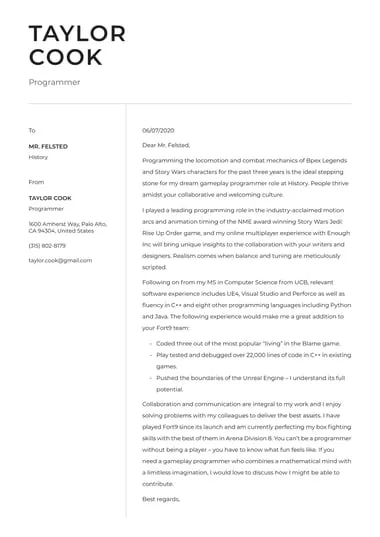
A meticulous review of the job description is paramount. Identify the core responsibilities, required skills, and preferred qualifications. Underline or highlight the keywords and phrases. Understand what the employer is looking for in an ideal candidate. This analysis will help you tailor your cover letter to directly address the employer’s needs. Align your skills, experiences, and achievements with the job requirements, making sure your letter clearly demonstrates why you are the perfect fit. Referencing specific details from the job description shows that you have taken the time to understand the role and are truly interested in the position.
Tailor the Content
Once you’ve understood the job description, customize your cover letter content to match. Focus on the skills and experiences most relevant to the position, and provide specific examples to support your claims. Instead of simply listing your responsibilities, highlight your accomplishments and quantify your results whenever possible. For example, instead of saying “Managed social media accounts,” you could say “Increased social media engagement by 30% in six months.” This shows a tangible impact. Refrain from using generic language. Replace it with specific examples that demonstrate your unique value proposition. Tailoring your content shows that you are dedicated, detail-oriented, and understand the specific demands of the job.
Showcase Your Skills and Experiences
Your cover letter is an opportunity to showcase your skills and experiences in a way that aligns with the job requirements. Don’t just list your qualifications; demonstrate how you’ve applied those skills in previous roles. Use the STAR method (Situation, Task, Action, Result) to provide context, detail the challenges you faced, the actions you took, and the positive outcomes you achieved. Quantify your achievements whenever possible to demonstrate the impact of your work. For example, “Implemented a new sales strategy that increased revenue by 15%.” When highlighting your skills, focus on those most relevant to the job and provide examples of how you’ve used them to achieve success. See image of job-description-analysis.webp
Common Mistakes to Avoid

Avoiding common mistakes in your cover letter is essential for making a positive impression. Errors can undermine your application and decrease your chances of getting hired. Proofread your cover letter carefully before submitting it. This will minimize the chances of errors. Common issues include generic content, typos and grammatical errors, and a lack of attention to formatting. Addressing these potential issues makes your cover letter polished and professional.
Generic Content
Generic content is one of the most significant pitfalls in cover letters. Avoid using the same letter for multiple job applications. Each cover letter should be tailored to the specific job and company you are applying to. Generic language, such as “I am a hard worker” or “I am a team player,” doesn’t differentiate you from other applicants. Replace generic statements with specific examples. Mention relevant skills and experiences, providing specific examples of how you’ve utilized them. Make sure the content reflects your understanding of the company’s values, mission, and the role itself. This personalized approach shows that you have invested time and effort.
Typos and Grammatical Errors
Typos and grammatical errors can create a negative impression, suggesting a lack of attention to detail and professionalism. Proofread your cover letter carefully before submitting it. Review your letter multiple times, checking for spelling, grammar, punctuation, and sentence structure. Consider using a grammar checker to catch errors you may have missed. Have a friend or colleague review your cover letter for additional feedback. See image of cover-letter-mistakes.webp
Length and Format

Ensure that your cover letter adheres to the proper format. Keep your cover letter to one page. This conveys respect for the recruiter’s time. Use a clean font, appropriate font size, and proper spacing for easy readability. Use a professional tone throughout the letter. Avoid using slang, informal language, or excessive jargon. Your cover letter should be easy to read and navigate, making it enjoyable for the reader to comprehend. Also, ensure that all your contact information is correct.
Where to Find Cover Letter Samples Online
There are various online resources for finding cover letter samples. These can be incredibly helpful in understanding the structure, tone, and content of a successful cover letter. Utilize these sources to see the best ways to construct your cover letter. You will have a better grasp of formatting and tone. The more you see, the more you learn. See image of online-cover-letter-samples.webp
Job Search Websites
Many job search websites, such as Indeed, LinkedIn, and Monster, provide cover letter samples to assist job seekers. These websites often include templates and examples tailored to specific industries or job titles. You can find samples that reflect the language, formatting, and style appropriate for your target role. Explore the career resources on job search websites. Take the time to explore these valuable resources. They’re often tailored to help you navigate the job search process, and this is an advantage for your application process.
Professional Resume Services

Professional resume writing services often offer cover letter samples as part of their packages or as standalone resources. These services employ experts in crafting compelling applications. Benefit from their expertise and learn from their samples to gain insights into effective cover letter strategies. Professional services are usually up-to-date on the latest trends, and can provide a more polished application.
University Career Centers
University career centers are another valuable resource for students and alumni. They often provide cover letter samples, templates, and workshops to assist job seekers in developing effective applications. University career centers offer personalized support, and you can get tailored feedback. Accessing these resources can significantly improve your chances of securing a job interview. Consider the wealth of help you can acquire from this option.
Final Thoughts and Next Steps
Creating a compelling cover letter is a critical step in your job search. Utilizing cover letter samples can provide valuable insights into the structure, language, and content that make your application stand out. Remember to always customize these samples to reflect your unique qualifications and the specific requirements of the job. By avoiding common mistakes, tailoring your content, and showcasing your skills effectively, you can significantly increase your chances of securing an interview. Take the time to carefully craft each cover letter and make a positive first impression. See image of final-thoughts-cover-letter.webp