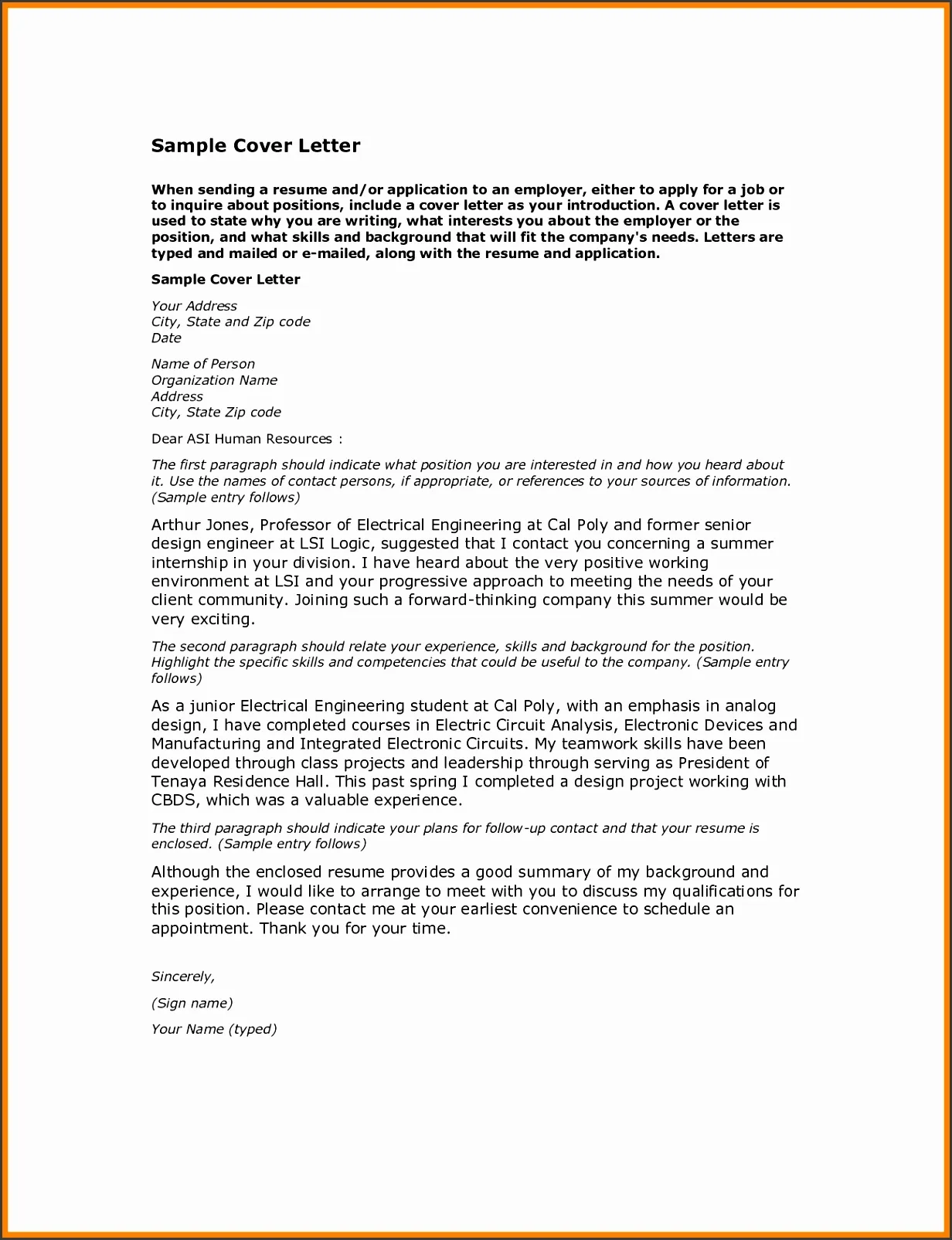
What is a Cover Letter
A cover letter is a crucial document that accompanies your resume when applying for a job. It serves as your introduction to the hiring manager, providing an opportunity to showcase your personality, skills, and enthusiasm for the position. Unlike a resume, which is a factual summary of your experience and qualifications, a cover letter allows you to tell a story, explaining why you’re the ideal candidate for the specific role and company. Think of it as your personal sales pitch, designed to grab the reader’s attention and persuade them to learn more about you through your resume.
The Importance of a Cover Letter
In today’s competitive job market, a well-crafted cover letter can significantly increase your chances of landing an interview. It allows you to highlight your relevant experience and skills, demonstrating how they align with the job requirements. Moreover, it enables you to express your genuine interest in the company and the specific role, showcasing your personality and communication skills. Many employers consider cover letters essential, as they offer insights into your writing abilities, attention to detail, and overall professionalism. Omitting a cover letter, when one is requested, can be a sign of a lack of interest or a disregard for instructions, potentially leading to your application being overlooked.
What a Cover Letter Does

A cover letter serves several key purposes in the job application process. Firstly, it introduces you and your application to the hiring manager. Secondly, it summarizes your relevant skills and experience, emphasizing how they match the job description. Thirdly, it demonstrates your understanding of the company and the role, showing that you’ve done your research. Fourthly, it explains why you are interested in the specific position and company, expressing your enthusiasm. Finally, it encourages the hiring manager to read your resume and consider you for an interview. Essentially, the cover letter bridges the gap between your qualifications and the employer’s needs, making your application more compelling.
Key Elements of a Cover Letter
A well-structured cover letter includes several essential elements that work together to create a strong first impression. These elements are crucial for conveying your message effectively and ensuring that your application stands out. Each part of the cover letter serves a specific purpose, from providing contact information to summarizing your key qualifications. By understanding these components, you can craft a cover letter that is both informative and persuasive, increasing your chances of success in your job search.
Header and Contact Information
Your cover letter should begin with a professional header that includes your contact information. This typically includes your full name, phone number, email address, and optionally, your LinkedIn profile URL. It’s essential to use a professional email address and ensure your contact information is up-to-date. Additionally, include the date and the hiring manager’s name and title, if known, along with the company’s address. This information ensures that the recipient knows who the letter is from and how to reach you, creating a professional appearance.
Greeting and Salutation

The greeting sets the tone for your cover letter. If you know the hiring manager’s name, use a formal greeting like “Dear Mr. / Ms. [Last Name].” If the name is unavailable, you can use a general greeting such as “Dear Hiring Manager” or “Dear [Company Name] Team.” Avoid generic greetings like “To Whom It May Concern.” The salutation at the end of your letter should also be professional. Use “Sincerely,” “Best regards,” or “Yours sincerely” followed by your full name. This greeting and salutation create a professional and respectful tone.
Body Paragraphs
The body paragraphs are the heart of your cover letter, where you present your qualifications and express your interest in the role. Structure your body paragraphs to be concise, clear, and engaging. Typically, a cover letter includes an opening paragraph, two or three body paragraphs, and a closing paragraph. Each paragraph should focus on a specific aspect of your experience, skills, or motivation. The aim is to tell a compelling story that aligns your qualifications with the employer’s needs, making it easy for the reader to understand your value proposition.
The Opening Paragraph
The opening paragraph is your first opportunity to grab the hiring manager’s attention. Start by clearly stating the position you are applying for and how you found the job opening. Briefly mention your most relevant qualifications or accomplishments, highlighting your enthusiasm for the role and company. Keep this paragraph concise and focused on making a strong first impression. The opening paragraph sets the stage for the rest of your letter and encourages the reader to continue reading. For example, you might start with, “I am writing to express my keen interest in the Marketing Manager position advertised on LinkedIn.”
The Body Paragraphs

Use the body paragraphs to elaborate on your key skills and experiences that match the job requirements. Provide specific examples of your accomplishments and how you have added value in previous roles. Quantify your achievements whenever possible using numbers or data to demonstrate your impact. Tailor these paragraphs to align with the job description, highlighting the skills and experiences most relevant to the position. Focus on the employer’s needs and explain how your skills can help them achieve their goals. This section is where you show, not just tell, why you are a good fit.
The Closing Paragraph
In the closing paragraph, reiterate your interest in the position and the company. Express your enthusiasm for the opportunity and summarize your key qualifications. Include a call to action, such as requesting an interview or stating your availability for a meeting. Thank the hiring manager for their time and consideration. Ensure your closing paragraph is positive, professional, and leaves a lasting impression. This is your last chance to reinforce your message and encourage the employer to take the next step.
Sign-off and Name
Conclude your cover letter with a professional sign-off, such as “Sincerely,” “Best regards,” or “Yours sincerely.” Follow the sign-off with a blank line and then type your full name. This provides a polished and respectful ending to your letter, signaling the end of your communication and demonstrating your professionalism. It’s a small detail that completes your cover letter and reinforces the positive impression you’ve made.
Cover Letter Samples by Industry

Cover letters should be tailored to the specific industry and role you’re applying for. Different industries have different norms and expectations regarding cover letters, requiring you to adjust your approach accordingly. Understanding these nuances can significantly improve the effectiveness of your application. Below are some examples of cover letters based on the industry. Consider these different formats to help you get started.
Cover Letter Samples for Marketing
Marketing cover letters should highlight your creativity, communication skills, and ability to drive results. Focus on your experience with marketing campaigns, content creation, and data analysis. Showcase your understanding of marketing strategies and your ability to achieve marketing goals. Quantify your achievements with metrics and examples to demonstrate your impact. Include keywords from the job description to demonstrate your understanding of the role’s requirements. Your enthusiasm for marketing is key.
Cover Letter Samples for Finance
Finance cover letters need to emphasize your analytical skills, attention to detail, and financial expertise. Highlight your experience with financial modeling, budgeting, and reporting. Showcase your understanding of financial regulations and your ability to manage financial data effectively. Use precise language and provide quantifiable results to demonstrate your impact. Your ability to work with the numbers is key.
Cover Letter Samples for IT

IT cover letters should showcase your technical skills, problem-solving abilities, and experience with relevant technologies. Highlight your experience with specific software, hardware, or systems. Showcase your ability to troubleshoot issues, implement solutions, and work in a team environment. Use technical terms and provide examples of your technical expertise. Your technological expertise will be key.
Cover Letter Samples for Recent Graduates
Recent graduates should focus on their academic achievements, internships, and relevant coursework. Highlight any skills gained through projects, research, or extracurricular activities. Emphasize your transferable skills, such as communication, teamwork, and problem-solving. Explain how your education and experiences have prepared you for the role. Showcase your enthusiasm for the industry and your eagerness to learn and grow. Even if you lack direct experience, demonstrate how your skills can translate to the job. Customize the letter to the specific role.
Common Mistakes to Avoid in Cover Letters
Avoiding common mistakes can significantly improve the quality and effectiveness of your cover letter. Be aware of these common pitfalls. By recognizing and correcting these issues, you can ensure your letter effectively showcases your qualifications and increases your chances of success.
Generic Letters

One of the most common mistakes is sending a generic cover letter that is not tailored to the specific job or company. Generic letters lack personalization and fail to demonstrate your genuine interest in the role. Customize each cover letter to reflect the requirements of the specific job and the company’s values. Research the company and tailor your letter to show you understand their mission and culture. This shows the hiring manager that you have taken the time to personalize your application.
Typos and Grammatical Errors
Typos and grammatical errors can undermine your credibility and professionalism. These errors create a negative impression and suggest a lack of attention to detail. Proofread your cover letter carefully before submitting it. Use a grammar checker and ask someone else to review it as well. Ensure your writing is clear, concise, and free of errors. Proofreading is a critical step that can significantly impact your chances.
Lack of Personalization
Failing to personalize your cover letter is another common mistake. This includes not mentioning the specific job title, company, or hiring manager. A lack of personalization suggests that you are sending out the same letter to multiple employers without regard for the specific role. Research the company and tailor your letter to highlight how your skills and experience align with their needs. Personalize your letter by addressing the hiring manager by name and referencing specific details from the job description. Show your interest in the role and company.
Best Practices for Cover Letter
Following best practices can help you craft a cover letter that stands out. By implementing these strategies, you can create a compelling cover letter that highlights your strengths and increases your chances of getting an interview.
Tailoring Your Letter
Always tailor your cover letter to the specific job description and company. Highlight the skills and experiences most relevant to the role. Research the company’s mission, values, and culture to demonstrate your interest. Use keywords from the job description to show that you understand the requirements. Tailoring your letter increases your chances of making a strong impression on the hiring manager. This shows that you have taken the time to understand their needs and requirements.
Proofreading
Thoroughly proofread your cover letter before submitting it. Check for any typos, grammatical errors, or formatting issues. Ask someone else to review your letter as well. Proofreading ensures that your letter is clear, concise, and professional. This demonstrates your attention to detail and commitment to quality. Correcting any errors will give you a competitive edge.
Using Action Verbs
Use strong action verbs to describe your accomplishments and responsibilities. Action verbs help to make your cover letter more dynamic and engaging. Examples include “managed,” “developed,” “led,” “achieved,” and “implemented.” Avoid passive language and focus on what you have done. Action verbs make your skills and experiences more compelling and demonstrate your ability to take initiative.
Resources and Tools
Several resources and tools can assist you in crafting a compelling cover letter. Utilizing these resources can save you time and improve the quality of your application.
Online Cover Letter Builders
Online cover letter builders can help you create a professional cover letter quickly and easily. These tools often provide templates and suggestions to guide your writing. Some platforms allow you to customize your letter to match the job description. Utilize these resources to save time and ensure your letter meets industry standards. These tools are a great way to get started and ensure a professional look.
Cover Letter Templates
Cover letter templates provide a pre-designed format to help you structure your letter effectively. They offer examples of how to organize your content and highlight your skills. Using a template can save you time and ensure your letter includes all the necessary elements. Choose a template that aligns with your industry and the job requirements. There are many options available for free online, allowing you to focus on your content.