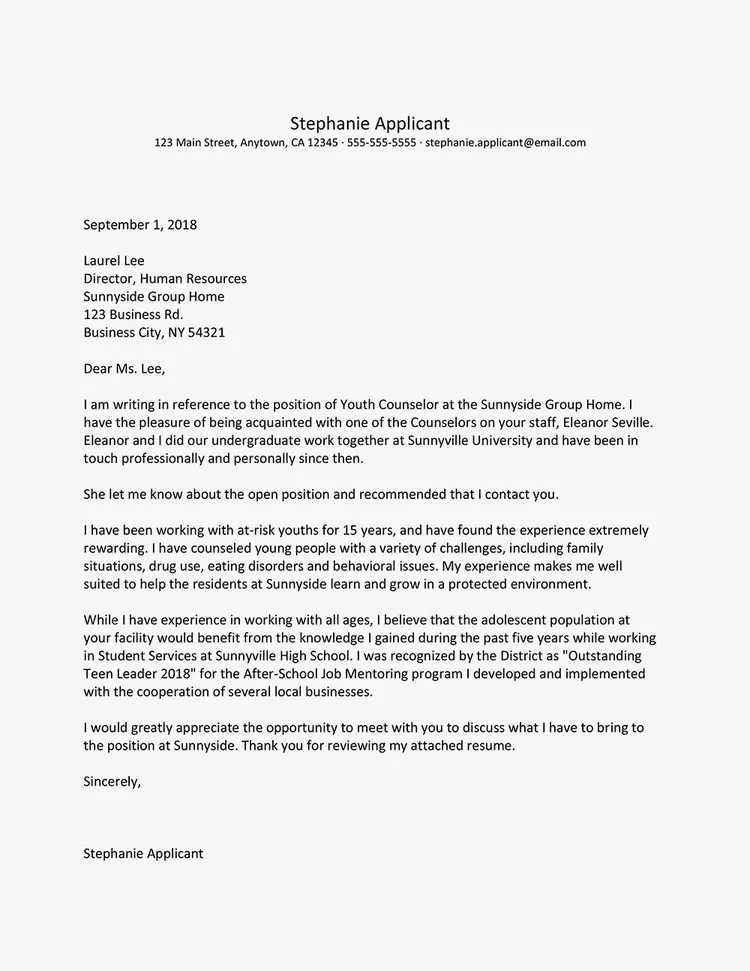
The Power of Cover Letter Referrals
In the competitive world of job hunting, every advantage counts. One of the most potent tools in your arsenal is a cover letter referral. A referral from a friend, colleague, or acquaintance can significantly increase your chances of landing an interview and ultimately, securing your dream job. This article dives deep into the secrets of leveraging referrals in your cover letter, transforming your job application from a generic submission into a powerful statement of intent.
Why Referrals Matter
Referrals are highly valued by employers. They indicate that a current employee or someone trusted by the company has vouched for you, suggesting you’re a good fit for the company culture and the role. Referrals often lead to faster application reviews, as hiring managers are more inclined to consider candidates who come recommended. Furthermore, referred candidates frequently have a higher interview-to-offer ratio compared to those who apply through traditional channels. Referrals also provide insights into the company culture and the specific requirements of the role, which you can then integrate into your cover letter.
Referrals also provide networking opportunities and can open doors to companies you’ve always wanted to work for. By getting a referral, your resume is brought to the attention of the hiring manager or a recruiter who may have missed it initially. Essentially, a referral functions as a trusted endorsement, making your application stand out from the crowd.
Boosting Your Chances of Getting Hired
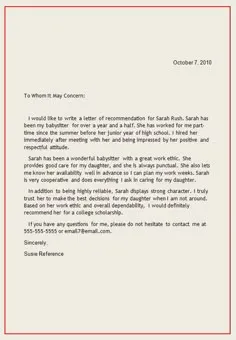
Referrals act as a powerful filter, separating qualified candidates from the masses. They suggest that you have a connection within the company, which can speed up the hiring process. Furthermore, recruiters and hiring managers often prioritize referred candidates, viewing them as pre-vetted individuals. This often translates to a higher likelihood of securing an interview and progressing to the next stages of the recruitment process. A referral also provides credibility to your application, as it demonstrates that someone believes in your abilities and recommends you. In addition, it provides you with the opportunity to learn about the company culture, which will enable you to tailor your cover letter and application to better align with the organization’s values and goals.
How to Get a Referral
Securing a referral starts long before you apply for a job. It requires proactive networking and cultivating relationships with people in your professional and personal circle. The key is to build a strong network of contacts who know your skills, experience, and career aspirations. Reach out to friends, former colleagues, professors, and anyone else who may have connections at companies where you want to work. Make sure to let them know about the roles you’re interested in and how your skills align. Be specific about your goals and clearly state the kind of referral you seek. Make it easy for them to help you; provide them with your resume and cover letter drafts, and offer to provide any other information they might need.
Networking for Referrals
Effective networking is essential to obtaining referrals. Attend industry events, join professional organizations, and connect with people on LinkedIn. Build genuine relationships with your contacts. Networking is not just about asking for favors, it’s about building mutually beneficial relationships. Offer to help your contacts when you can; show interest in their work and career aspirations. Participate in online forums and groups related to your field and offer your expertise to enhance your visibility and build credibility. Regularly update your contacts about your career goals and the companies you are targeting. This will make it easier for them to help you when opportunities arise.
Reaching Out to Your Network

Once you’ve identified a role you want to apply for, it’s time to reach out to your network. Start by identifying contacts who work at the company or who know someone who does. Personalize your message; don’t send a generic request. Explain why you’re interested in the role and the company, and how your skills and experience align. Make your request clear and concise. Provide them with the necessary information: your resume, cover letter (if you have one ready), and the job description. Give them time to respond, but don’t be afraid to follow up politely if you haven’t heard back. Express your gratitude for their help, regardless of the outcome. Even if they can’t offer a referral this time, maintaining a positive relationship is critical for future opportunities.
Crafting the Perfect Referral Request
When requesting a referral, be as specific as possible. Provide the job description, your resume, and a tailored cover letter draft, so your contact can assess your fit. Explain why you’re interested in the role and the company. Highlight how your skills and experience align with the job requirements. Show that you’ve done your research and understand what the company needs. Frame your request as an opportunity for them to help a talented individual, while acknowledging the value of their time. Make the process easy for them by offering to write the initial email or providing a draft. Express gratitude, and remember to follow up politely to check on the status of your request.
Writing a Referral Cover Letter
The cover letter is your opportunity to present your qualifications and provide context for the referral. It’s a chance to showcase your interest in the role and the company, while highlighting how you align with the job’s requirements. A well-crafted referral cover letter can significantly increase your chances of getting noticed. It’s your chance to go beyond the resume and show off your personality, your passion for the field, and why you’re a great fit. Tailor each cover letter to the specific job, and personalize it with the name of the person who referred you. This shows that you value the connection and that you have put in the effort to reach out for the recommendation.
Personalizing Your Cover Letter

Personalization is critical. Address the hiring manager by name if possible. Mention the name of the person who referred you in the opening paragraph. For example: “I am writing to express my interest in the [Job Title] position at [Company Name], as recommended by [Referral’s Name].” This immediately grabs the reader’s attention and adds credibility to your application. Then, delve into your specific qualifications, highlighting the skills and experiences that align with the job requirements. Use concrete examples to illustrate your capabilities. Show your understanding of the company’s values and how your skills align with the company’s needs. Customize your cover letter to mirror the company’s culture and the specific requirements of the role to significantly boost your chances of getting noticed.
Highlighting the Referral
The referral is the cornerstone of your cover letter. Clearly state the name of the person who referred you and their relationship to you in the opening paragraph. This establishes the legitimacy of the referral. Briefly mention the context of the referral – whether it was initiated by you, or the referrer suggested you apply. For example, you could say something like: “[Referral’s Name], a [Referral’s Job Title] at [Company Name], suggested I apply for this position.” In the body of your cover letter, highlight any specific insights or advice the referrer provided about the company or the role. This can make your cover letter appear more valuable and show that you have done your research and value the recommendation. Show your appreciation for the referral throughout the letter, as it underscores the importance of the relationship and expresses your gratitude for the help.
Showcasing Relevant Skills and Experience
While the referral is crucial, it’s your skills and experience that ultimately convince the hiring manager. Use the body of your cover letter to showcase your abilities and accomplishments. Tailor your cover letter to the specific requirements of the job description. Analyze the job description and identify the key skills and qualifications the employer is seeking. Highlight relevant skills and experience using concise, impactful language. Provide concrete examples that demonstrate your ability to apply these skills in real-world scenarios. Quantify your achievements whenever possible, using numbers and data to illustrate your impact. Make it easy for the hiring manager to see why you are a good fit for the role, ensuring that you’re clearly connecting your skills and experience to the job’s requirements.
Formatting Your Cover Letter for Impact
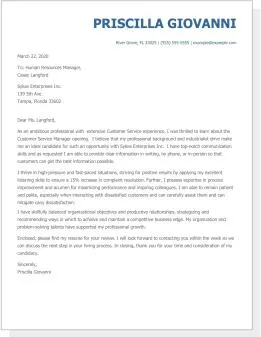
A well-formatted cover letter is easy to read and makes a positive impression. Use a professional font, such as Arial or Times New Roman, in a readable size. Keep your cover letter concise, ideally no more than one page. Use clear headings and bullet points to break up the text and make it easy to scan. Maintain consistent margins and spacing throughout the document. Proofread your cover letter carefully to eliminate any grammatical errors or typos. Ensure a professional tone throughout, and avoid casual language. Consider using a template to ensure that your cover letter has a clean and organized layout. A polished cover letter conveys your attention to detail and professionalism, making it more likely to be reviewed favorably.
Referral Cover Letter Examples
Examples provide a practical framework for writing a referral cover letter. Remember that each cover letter should be customized to the specific role and company. Here are some examples to guide you. Feel free to adjust these to fit your unique situation and the company’s requirements. Adapting these examples to reflect the specifics of the referral and the target job can boost your chances of getting noticed.
Example 1 Referral from Friend
Dear [Hiring Manager Name],
I am writing to express my enthusiastic interest in the [Job Title] position at [Company Name], as recommended by my friend, [Friend’s Name], who has been a [Friend’s Job Title] at your company for [Number] years. [Friend’s Name] spoke highly of the company’s culture and the opportunities for growth, which deeply resonate with my career goals.
[Continue to highlight relevant skills and experiences…].
Sincerely, [Your Name]
Example 2 Referral from Professional Contact

Dear [Hiring Manager Name],
[Professional Contact’s Name], a [Professional Contact’s Job Title] at [Company Name], recommended that I apply for the [Job Title] position. Having known [Professional Contact’s Name] for [Number] years through [Context of Relationship], I’ve gained a strong appreciation for their professional insights and expertise, and I was excited to learn about this opportunity.
[Continue to highlight relevant skills and experiences…].
Sincerely, [Your Name]
Example 3 Referral from Alumni Network
Dear [Hiring Manager Name],
I am writing to apply for the [Job Title] position at [Company Name], as suggested by [Alumni’s Name], an alumnus of [University Name] and a [Alumni’s Job Title] at your organization. [Alumni’s Name] shared that [Company Name] is seeking a [Job Title] with a strong background in [relevant skill],
[Continue to highlight relevant skills and experiences…].
Sincerely, [Your Name]
Best Practices for Referral Cover Letters
Adhering to best practices increases your chances of success. Ensure you tailor each cover letter to the specific job and company. Research the company’s values and culture, and align your cover letter accordingly. Always mention the referral in the opening paragraph to immediately capture the reader’s attention. Highlight relevant skills and experiences and show concrete examples of your achievements. Keep your cover letter concise and easy to read, using clear headings and formatting. Maintain a professional tone throughout. Proofread carefully for any grammatical errors or typos. Send the cover letter in the appropriate format, such as PDF, to ensure it displays correctly on any device.
Proofreading and Editing

Proofreading and editing are critical steps in ensuring a polished cover letter. Errors, even minor ones, can create a negative impression. Review your cover letter carefully for any grammatical errors, typos, or punctuation mistakes. Read the cover letter aloud to identify awkward phrasing or sentences that don’t flow well. Ask a friend, colleague, or mentor to proofread your cover letter for you. They may catch mistakes you missed and provide feedback on the clarity and effectiveness of your writing. Ensure that the formatting is consistent and professional. Double-check all names, job titles, and company information to ensure accuracy.
Following Up After Submission
Following up after submitting your application shows your initiative. Send a thank-you note to the person who provided the referral, expressing your gratitude for their support. If you haven’t heard back from the company within a reasonable timeframe, politely follow up with the hiring manager or recruiter. In your follow-up email, reiterate your interest in the role and reference the referral. Keep it concise and professional, and avoid being overly persistent. Be patient, as the hiring process often takes time. If you are not selected for an interview, consider asking the referrer for feedback on your application. This information will help you improve your job search efforts.
What to Avoid in Referral Cover Letters
While referrals can provide a boost, certain actions can undermine your application. Avoid being overly reliant on the referral, and ensure your skills and experience are the primary focus of your cover letter. Do not make unrealistic claims or exaggerations about your qualifications or the referral. Steer clear of negative comments about past employers or colleagues. Maintain a professional and positive tone throughout your cover letter. Avoid generic cover letters. Do not use the same cover letter for multiple job applications. Tailor each letter to the specific job requirements, and make it clear you’re a great fit for the position. Also, be wary of sending a cover letter with errors. Proofread and edit your work carefully to avoid mistakes.
Common Mistakes to Dodge
Several mistakes can diminish the impact of your referral cover letter. Failing to mention the referral prominently is a critical error. Ensure that you include the referral’s name and relationship to you in the opening paragraph. Another common mistake is neglecting to tailor your cover letter to the specific job description. Each letter should address the requirements of the particular position. Not highlighting your skills and experience is also a problem. Focus on what you can bring to the role. Using a generic cover letter is a frequent error. Customize each letter to demonstrate genuine interest in the company and the position. Failure to proofread is another major error, as mistakes can undermine your credibility. Finally, not expressing your gratitude is a missed opportunity, so always thank the referrer for their support.
Conclusion
Leveraging referrals in your cover letter is a powerful strategy that can significantly enhance your job search efforts. By understanding the importance of referrals, crafting a compelling cover letter, and following best practices, you can increase your chances of landing an interview and securing your dream job. Remember to network, build relationships, and personalize your approach. The key to success is presenting your qualifications in a clear, concise, and tailored way. Make the most of your connections, and use a referral cover letter to stand out from the competition. With the right approach, your cover letter can open doors and pave the way for career success. Embrace the power of referrals, and watch your job search efforts take flight.