What is a Cover Letter
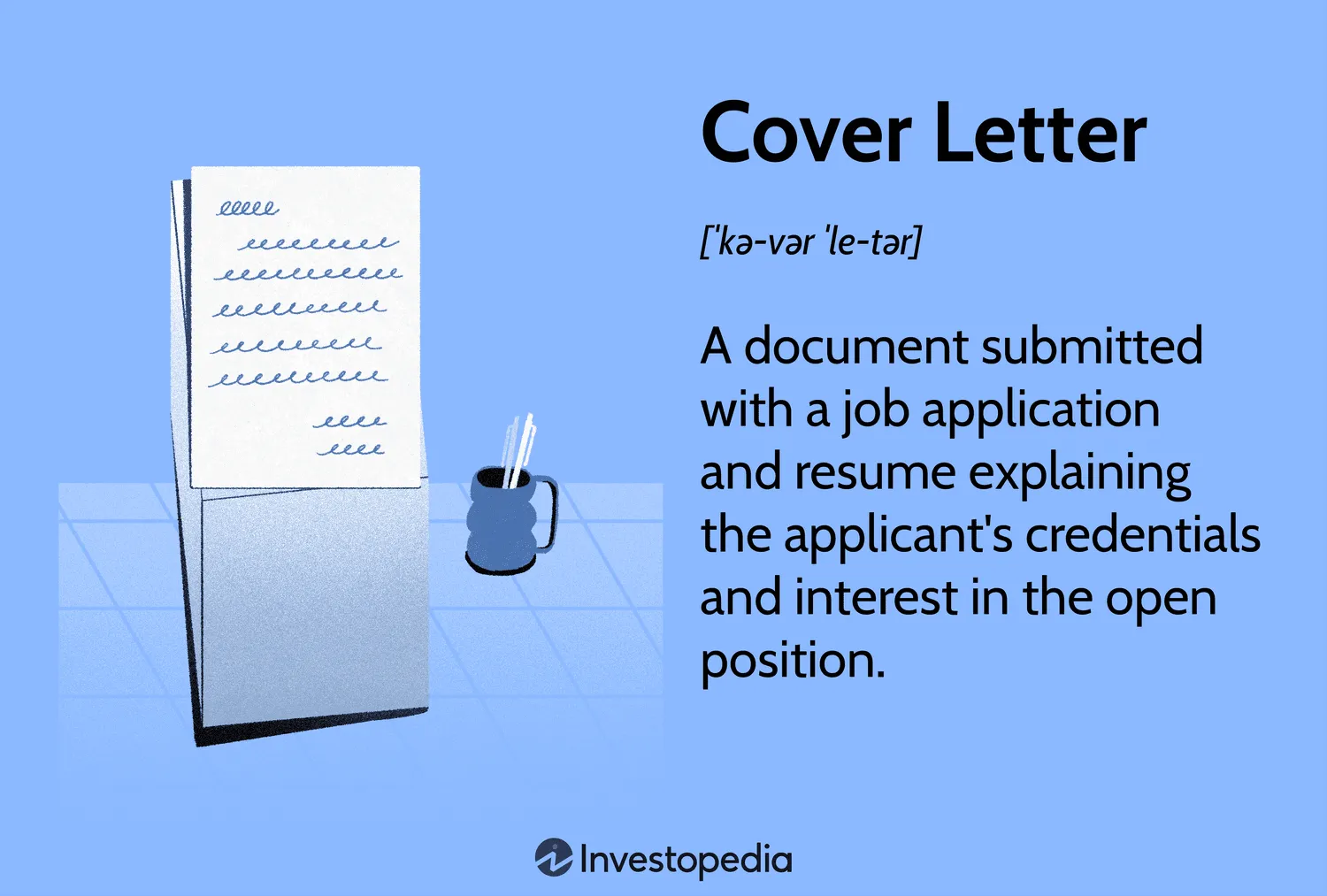
A cover letter is a crucial document that accompanies your resume when applying for a job. It serves as an introduction to your application, providing potential employers with a concise overview of your qualifications, skills, and experiences. Think of it as a personalized sales pitch, where you highlight why you’re the ideal candidate for the specific role. The primary objective of a cover letter is to persuade the hiring manager to read your resume and ultimately, invite you for an interview. It’s your chance to make a strong first impression and distinguish yourself from other applicants. The cover letter goes beyond just listing your qualifications; it allows you to demonstrate your communication skills, personality, and genuine interest in the position and the company. A well-crafted cover letter can significantly increase your chances of landing an interview, making it a vital part of the job application process. It allows for a more personalized approach, where you can directly address the employer and express your enthusiasm for the opportunity.
Purpose of a Cover Letter
The fundamental purpose of a cover letter is to connect your qualifications and experiences to the specific job requirements. It is an opportunity to show that you understand the role and the company’s needs. The cover letter provides context to your resume, explaining why your skills and experiences make you a great fit for the role. Unlike a resume, which is typically a factual summary of your background, a cover letter allows you to explain your career goals, express your personality, and demonstrate your enthusiasm for the position. It shows the hiring manager that you’ve taken the time to research the company and understand its values. The cover letter also gives you the chance to address any potential gaps in your resume or explain why you’re making a career change. Ultimately, its purpose is to get your foot in the door by convincing the employer to read your resume and consider you for an interview. A well-written cover letter highlights your key strengths, showcases your communication skills, and helps you stand out from other applicants.
Highlighting Skills and Experience

A cover letter is a great place to highlight the skills and experiences that are most relevant to the job. It allows you to go beyond the bullet points of your resume and provide detailed examples of how you’ve applied your skills in previous roles. Carefully review the job description and identify the key requirements and keywords. Then, in your cover letter, provide concrete examples of how you’ve demonstrated those skills in your past experiences. This is where you can showcase your achievements and quantify your successes, using metrics to demonstrate your impact. For example, instead of saying you have good communication skills, you could say, “In my previous role, I successfully managed a team of five and consistently delivered projects on time and within budget, improving team communication and efficiency by 15%.” Use action verbs to describe your accomplishments and highlight your unique contributions. This section allows you to make a direct connection between your background and the job requirements, showing the hiring manager that you possess the skills and experience needed to succeed.
Tailoring to the Specific Job
One of the most important aspects of a strong cover letter is tailoring it to each job application. A generic cover letter that you send to every employer is unlikely to make a strong impression. Instead, take the time to carefully research the company and the specific role. Understand their mission, values, and what they are looking for in a candidate. Then, customize your cover letter to align with their needs. Highlight the skills and experiences that are most relevant to the job description and explain why you are the best fit for their organization. In your cover letter, show that you’ve taken the time to understand the role and its requirements, and explain how you can contribute to the company’s success. Address the hiring manager by name, if possible, and express your enthusiasm for the opportunity. By tailoring your cover letter to each specific job, you demonstrate your genuine interest and increase your chances of getting noticed. Personalization shows that you are not just sending out a mass application but that you’ve taken the initiative to create a cover letter that specifically showcases your fit for their needs.
Key Components of a Cover Letter
Contact Information

Start your cover letter with your contact information. Include your name, address, phone number, and email address. This information should be at the top of the letter, making it easy for the hiring manager to contact you. Make sure your contact information is current and professional. Double-check that your email address is appropriate and doesn’t contain any unprofessional nicknames. Some candidates choose to include a link to their LinkedIn profile or professional website, which allows the hiring manager to learn more about their background. Ensure the information is clearly formatted and easily readable. This helps the employer to quickly identify and reach out to you if they are interested in your application. Ensuring your contact details are clear and accurate is the first step in making a professional impression, setting the stage for the rest of your cover letter and application.
Professional Greeting
The professional greeting is the opening of your cover letter and sets the tone for the rest of your communication. Ideally, you should address the hiring manager by name. This shows that you’ve done your research and are genuinely interested in the position. If you cannot find the hiring manager’s name, you can use a professional greeting such as “Dear Hiring Manager” or “Dear [Department Name] Team.” Avoid using overly casual greetings like “Hello” or “Hi.” If you do not know the name of the hiring manager, research the company’s website, LinkedIn profiles, or call the company to inquire. Make sure the greeting is grammatically correct and reflects a professional tone. This small detail makes a significant difference in conveying your attention to detail and respect for the hiring process. The way you begin your letter can significantly impact how the rest of your application is perceived.
Body Paragraphs
The body paragraphs are the core of your cover letter, where you explain why you are a good fit for the job. Start with a compelling opening paragraph that grabs the reader’s attention. In the subsequent paragraphs, highlight your skills, experiences, and accomplishments that align with the job requirements. Provide specific examples of your achievements, using quantifiable results whenever possible. Explain how your skills have helped you succeed in previous roles. Show, don’t just tell, the hiring manager why you’re the best candidate. Use clear and concise language, avoiding jargon or overly complex sentences. The body paragraphs should provide context to your resume, allowing you to expand on your achievements and demonstrate your value. Each paragraph should focus on a specific aspect of your qualifications, making it easy for the hiring manager to follow your points. These paragraphs should be structured logically to highlight your suitability for the role.
Closing and Call to Action

The closing paragraph is your final opportunity to make a positive impression. Summarize your key qualifications and reiterate your interest in the position. Express your enthusiasm and make a clear call to action. This might be a request for an interview or a statement that you are eager to learn more about the opportunity. Thank the hiring manager for their time and consideration. Use a professional closing such as “Sincerely” or “Best regards” followed by your name. Proofread your entire cover letter carefully for any errors in grammar or spelling. A strong closing leaves a lasting impression and encourages the hiring manager to take the next step. It’s your final chance to reinforce your value as a potential employee, prompting the employer to invite you for an interview. Ensuring a clear, concise and engaging closing is critical for a lasting impression.
Benefits of a Strong Cover Letter
Making a Positive First Impression
A well-written cover letter allows you to make a strong and positive first impression on a potential employer. It’s your opportunity to showcase your personality, communication skills, and genuine interest in the role and the company. The cover letter helps you stand out from other applicants by demonstrating your attention to detail and your ability to articulate your skills and experiences effectively. It’s a chance to highlight your accomplishments and explain how you can contribute to the company’s success. This initial impression can significantly influence the hiring manager’s perception of you and your application. A professional and well-crafted cover letter shows that you’ve invested time and effort, which can set you apart from other candidates. The first impression is critical for attracting the employer’s attention, setting the stage for a potential interview.
Showcasing Personality and Enthusiasm

A cover letter provides you with the space to showcase your personality and enthusiasm for the job. You can’t always do this through a resume. While your resume provides a factual summary of your work history and qualifications, your cover letter allows you to express your genuine interest in the position and the company. Use the cover letter to highlight your skills, experiences, and accomplishments that are most relevant to the job description. Explain why you’re excited about the opportunity and how your skills and experiences align with the company’s needs. Show your personality and use language that demonstrates your genuine interest. Use an enthusiastic tone and tailor your language to match the company culture. This is an excellent way to convey your passion and make the hiring manager excited to learn more about you. By showing your enthusiasm, you increase your chances of landing an interview and moving forward in the hiring process.
Increasing the Chances of Getting an Interview
A well-crafted cover letter can significantly increase your chances of getting an interview. By providing context to your resume, highlighting your skills and experiences, and tailoring your letter to each job application, you can make a compelling case for why you should be considered for the role. The cover letter provides you with the opportunity to explain any gaps in your employment history or address any potential concerns the hiring manager might have. A strong cover letter demonstrates your communication skills and attention to detail, which are essential qualities in many professional roles. By showing that you’ve invested time and effort into your application, you demonstrate your genuine interest in the position and increase the likelihood of being invited for an interview. A cover letter is a crucial component of a job application and should never be overlooked, as it can make a significant difference in your job search.