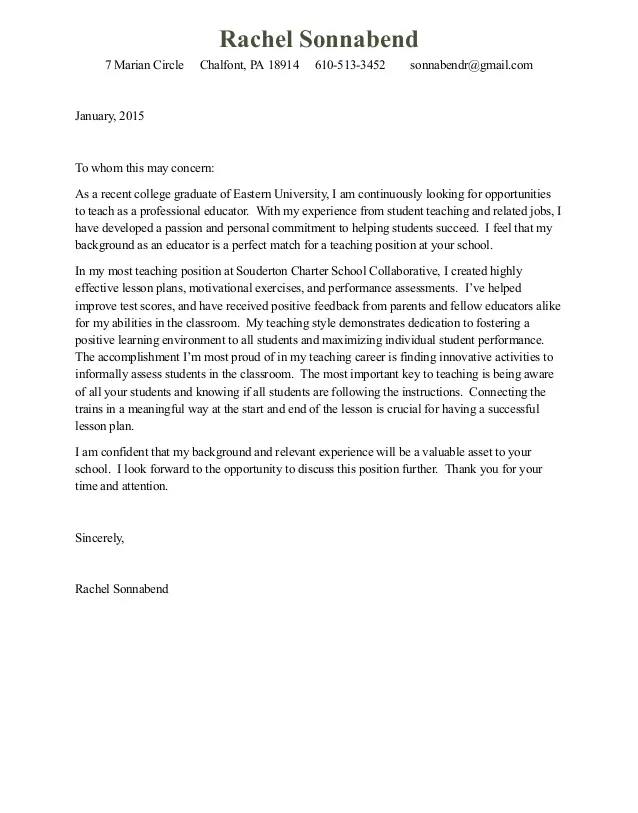
Crafting Your Cover Letter What Matters
A cover letter is your first impression, and in the competitive landscape of work study applications, it’s crucial to make it count. Crafting a compelling cover letter goes beyond simply listing your qualifications; it’s about showcasing your personality, your enthusiasm, and why you’re the perfect fit for the role. This means tailoring each letter to the specific job and institution, highlighting the skills and experiences that align with their needs. Think of it as a narrative a story about you and why you’re an ideal candidate. The tone should be professional yet approachable, and the language clear and concise. Remember, the goal is to get the reader’s attention and make them want to learn more about you. Avoid generic statements and focus on demonstrating your unique value proposition, illustrating what makes you stand out from other applicants.
Highlighting Your Skills and Experience
Your cover letter should act as a spotlight on your most relevant skills and experiences. Review the job description carefully and identify the key requirements and qualifications. Then, select specific examples from your past experiences that demonstrate these skills. These experiences can be from previous jobs, volunteer work, extracurricular activities, or even academic projects. Quantify your achievements whenever possible. Instead of just saying you ‘managed a team,’ explain the size of the team, the duration of the project, and the results you achieved. For example, ‘Managed a team of five volunteers for six months, increasing event attendance by 20%.’ This provides concrete evidence of your capabilities. Make sure to use action verbs to describe your accomplishments and showcase your proactive nature. Focus on achievements and how your skills have benefited others. This helps to paint a picture of you as a valuable asset.
Tailoring Your Cover Letter to the Role

Generic cover letters are easily spotted and often discarded. Customizing your cover letter to each work study opportunity is paramount to demonstrate your genuine interest and suitability. Begin by researching the institution and the specific department or role you are applying for. Understand their mission, values, and any specific requirements mentioned in the job description. Then, use this information to tailor your letter. Address the hiring manager by name if possible (research this on LinkedIn or the institution’s website). Mention specific aspects of the role or the institution that resonate with you and explain why you’re particularly drawn to the opportunity. Show you understand the specific needs of the role and how your skills align with them. Highlight the skills and experiences most relevant to that position. The more specific you are, the more likely you are to make a strong impression and stand out from the crowd.
Showcasing Your Enthusiasm
Enthusiasm is contagious, and it can make a huge difference in your application. Your cover letter should reflect your genuine interest in the work study opportunity and the institution. Express your excitement about the role, the tasks involved, and the chance to contribute to their mission. Use positive and energetic language to convey your passion and motivation. Explain why you are interested in this specific role and institution, not just any job. Maybe it aligns with your academic interests, career goals, or personal values. Showing that you’ve researched the institution and understand what they do demonstrates your initiative and genuine interest. Mentioning the skills you hope to learn or the impact you hope to make through the work study program can further highlight your enthusiasm. Make sure to keep your tone professional and avoid over-the-top or exaggerated language.
Proofreading for Perfection
Proofreading is one of the most crucial steps. A cover letter riddled with typos, grammatical errors, or inconsistencies can undermine your credibility and diminish your chances of success. Take the time to carefully review your cover letter multiple times. Check for spelling errors, grammatical mistakes, and punctuation errors. Ensure your sentences are clear, concise, and well-structured. Read the letter aloud to catch any awkward phrasing or flow issues. Use a spell checker and grammar checker, but don’t rely on them entirely. Have someone else review your cover letter. A fresh pair of eyes can often spot errors you may have missed. Ensure that your contact information is accurate and up-to-date. Double-check the name and title of the hiring manager. Proofreading might seem tedious, but it’s a vital investment in your professional image.
Highlighting Relevant Skills for Work Study

For work study positions, certain skills are highly valued. Emphasize these skills in your cover letter. These may include communication skills (both written and verbal), organizational abilities, time management, and teamwork. Provide examples of how you’ve used these skills in previous experiences. If the role involves specific software or tools, highlight your proficiency. Show your ability to learn and adapt. Many work study positions require initiative and the ability to work independently. If you have experience with customer service, data entry, or administrative tasks, be sure to mention it. Also include any relevant technical skills, such as knowledge of specific software, hardware, or programming languages. Tailor your cover letter to the particular requirements of the role.
Demonstrating Experience in Work Study
If you have prior work study experience, it’s crucial to highlight your successes and learnings. Detail your responsibilities and accomplishments in your previous roles. Quantify your achievements whenever possible. For instance, if you improved efficiency, specify by how much. If you managed a project, describe the size and scope. Focus on the impact you had on the organization. Even if your experience is limited, draw upon transferable skills from other contexts, such as volunteer work, extracurricular activities, or academic projects. Highlight what you learned from the experience. Detail the skills you honed and how they relate to the new position. Consider your experiences as a learning opportunity, and discuss how you’ve developed your skills over time. Discuss the challenges you overcame and the results you achieved. This will help convince the recruiter that you are a valuable candidate.
Emphasizing Soft Skills
Soft skills are essential in any work environment. They encompass your interpersonal and personal attributes. In your cover letter, focus on the soft skills that are most relevant to the position. These might include teamwork, communication, problem-solving, adaptability, and time management. Provide examples of how you have demonstrated these skills in the past. For example, “During my volunteer work, I successfully resolved customer complaints by listening to their concerns and finding mutually agreeable solutions, leading to a 15% increase in customer satisfaction.” Highlighting your ability to work in a team is critical. Show how you have collaborated with others to achieve common goals. Demonstrate your ability to handle stress, manage your time effectively, and work independently when needed. The more specific you are, the more convincing your cover letter will be.
Creating a Strong Opening

The opening paragraph of your cover letter is your opportunity to grab the reader’s attention and make a positive first impression. Start with a strong, engaging opening. Avoid generic phrases like “I am writing to apply for…” Instead, express your enthusiasm for the role and the institution. Mention where you found the job posting and why it caught your eye. State your interest clearly and concisely, and explain why you are a good fit for the position. If you have a connection to the institution (such as a current student or a referral), mention it in the opening. If the job posting mentions any specific requirements or qualities, address them immediately. Show you understand the needs of the employer. The goal is to quickly demonstrate why you are a strong candidate and encourage the reader to continue reading.
Writing a Compelling Closing
The closing paragraph of your cover letter should leave a lasting impression. Reiterate your interest in the position and your enthusiasm for the opportunity. Summarize your key qualifications and why you are the ideal candidate. Express your gratitude for their time and consideration. Include a clear call to action, such as requesting an interview or a meeting. Provide your contact information again to make it easy for the employer to reach you. Maintain a professional tone, and proofread the closing carefully to ensure there are no errors. Thank the reader for their time and express your anticipation of hearing from them soon. A well-crafted closing paragraph can significantly boost your chances of being invited for an interview. It should be a concise and effective summary of your qualifications and your enthusiasm for the role.