Why a Cover Letter is Crucial for Admin Assistants
In the competitive job market, a well-crafted cover letter can be the key that unlocks your dream administrative support assistant role. Many job seekers underestimate its power, but a cover letter serves as your first introduction to a potential employer, offering an opportunity to showcase your unique skills, experience, and personality. It’s not merely a repetition of your resume; it’s a chance to tell your story and explain why you are the perfect fit for the position. It allows you to provide context, elaborate on your achievements, and express your enthusiasm for the specific role and company. A strong cover letter demonstrates your communication skills and attention to detail, which are vital qualities for any administrative assistant. Moreover, it shows that you’ve taken the time to understand the company and the requirements of the job. By addressing the hiring manager directly and expressing your genuine interest, you increase your chances of standing out from other applicants and getting noticed.
Highlighting Your Skills for Cover Letter
When crafting your cover letter, the focus should be on highlighting the skills most relevant to the administrative assistant position. This is where you bridge the gap between your resume and the specific job description. Begin by carefully reviewing the job posting and identifying the key skills and qualifications the employer is seeking. Then, in your cover letter, provide specific examples of how you’ve utilized these skills in previous roles. Don’t just list your abilities; demonstrate them. Use action verbs to describe your accomplishments and quantify your achievements whenever possible. For instance, instead of saying “Managed phone calls,” you could say, “Managed a high volume of phone calls, efficiently directing inquiries and resolving issues for over 50 clients daily.” This approach not only showcases your skills but also provides concrete evidence of your capabilities. Remember to tailor your skill set to match the specific requirements of the job, ensuring that each skill you mention aligns with the employer’s needs and expectations.
Showcasing Your Experience

Your cover letter is the ideal platform to showcase your professional experience in a way that a resume cannot. While your resume provides a chronological overview, your cover letter allows you to delve deeper into your past roles and the significant contributions you’ve made. Begin by selecting the experiences most relevant to the administrative assistant position. Briefly describe your responsibilities, but focus on the accomplishments that demonstrate your skills and value. For each experience, use the STAR method (Situation, Task, Action, Result) to provide a clear and concise narrative. Start by setting the scene (Situation), explaining what needed to be done (Task), detailing the steps you took (Action), and then highlighting the positive outcome (Result). This structure helps you organize your thoughts and present your experience in a compelling and memorable way. Moreover, by demonstrating how you’ve used your skills to achieve specific goals, you convince the hiring manager of your ability to perform successfully in the role.
Quantifying Achievements
Quantifying your achievements is a powerful technique that significantly enhances the impact of your cover letter. Instead of vague statements, provide concrete numbers and data to demonstrate your accomplishments and the value you brought to previous employers. For instance, if you improved office efficiency, state by what percentage you reduced processing time or expenses. If you streamlined a process, quantify the time or resources saved. If you managed projects, mention the number of projects and their successful outcomes. Quantifiable achievements provide tangible evidence of your skills and make your claims more credible. They allow the hiring manager to quickly grasp the extent of your capabilities and understand the positive impact you could have on their organization. Whenever possible, use metrics that align with the job requirements or the company’s goals, as this demonstrates your understanding of their priorities and your ability to contribute to their success.
Tailoring Your Cover Letter
One of the most important aspects of a successful cover letter is tailoring it to each specific job application. A generic cover letter can easily be identified and often leads to immediate rejection. Instead, take the time to customize your letter for each role, demonstrating your genuine interest and understanding of the company and the position requirements. Start by carefully reviewing the job description and identifying the key skills, qualifications, and values the employer is seeking. Then, adjust your cover letter to highlight your relevant experience and skills, ensuring that your qualifications align with the job requirements. Research the company and, if possible, address the hiring manager by name. This shows that you’ve put in the effort to understand their needs and that you’re genuinely interested in the opportunity. By demonstrating that you’ve tailored your application, you increase your chances of making a positive impression and standing out from other applicants. This level of personalization showcases your professionalism and commitment to securing the role.
Researching the Company

Before you start writing your cover letter, take the time to research the company you are applying to. Understanding their mission, values, and recent achievements will not only help you tailor your letter but will also demonstrate your genuine interest in the organization. Visit the company’s website, read their “About Us” section, and explore their social media profiles to get a sense of their culture and priorities. Look for recent news, press releases, or industry articles that mention the company, as this can provide valuable insights. When you understand the company’s goals, you can then align your skills and experience to showcase how you can contribute to their success. Mentioning specific projects, initiatives, or values of the company in your cover letter demonstrates that you have done your homework and that you are genuinely interested in the role. It shows that you are not just sending out generic applications but that you are thoughtfully considering the opportunity and are a good fit for their team. This level of detail significantly increases your chances of capturing the hiring manager’s attention.
Addressing the Hiring Manager
Addressing the hiring manager by name is a simple yet effective way to personalize your cover letter and grab their attention. It shows that you’ve taken the time to research the company and understand who will be reviewing your application. While it can sometimes be challenging to find the hiring manager’s name, the effort is often worth it. Check the job posting, the company website, or LinkedIn to try and identify the person responsible for hiring. If you can’t find a specific name, you can use a general salutation like “Dear Hiring Team” or “Dear [Department] Team,” which is still better than a generic “To Whom It May Concern.” When you address the hiring manager directly, your cover letter feels more personal and engaging, making it more likely to be read and considered carefully. It also demonstrates your attention to detail and your commitment to making a positive impression, which are important qualities for an administrative assistant.
Formatting Your Cover Letter
The format of your cover letter is just as important as its content. A well-formatted cover letter is easy to read and conveys professionalism. Start with a clear and professional heading that includes your name, contact information, and the date. Use a standard business letter format, with a formal salutation (e.g., “Dear Mr. / Ms. [Last Name]”) and a closing (e.g., “Sincerely” or “Best regards”). Choose a clean and readable font, such as Times New Roman, Arial, or Calibri, and use a font size of 11 or 12 points. Keep the letter concise, ideally within one page, and use short paragraphs to make the information easier to digest. Use clear headings and subheadings to organize your content and guide the reader. Proofread carefully for any grammatical errors or typos before submitting your application. A well-formatted cover letter demonstrates attention to detail and respect for the hiring manager’s time, significantly increasing your chances of making a positive first impression.
Choosing the Right Tone

The tone of your cover letter should be professional, enthusiastic, and tailored to the company’s culture. Avoid overly casual or informal language, as this can detract from your credibility. Instead, use a formal yet friendly tone that conveys your professionalism and genuine interest in the position. Start with a strong opening statement that grabs the reader’s attention and clearly states the purpose of your letter. Throughout your letter, use positive and confident language to highlight your skills and experience. Show enthusiasm for the role and the company, but avoid exaggerations or overly boastful statements. Maintain a respectful tone, showing your understanding of the company’s needs and your ability to contribute to their success. When in doubt, err on the side of formality, and always proofread your letter to ensure that the tone is consistent and appropriate for the organization. Your cover letter should reflect your personality while maintaining a professional demeanor, ensuring you make a positive impression on the hiring manager.
Proofreading for Perfection
Proofreading your cover letter is a critical step that can make or break your application. Even the most impressive skills and experience can be overshadowed by typos, grammatical errors, or formatting inconsistencies. Before submitting your letter, carefully review it multiple times, paying close attention to spelling, grammar, punctuation, and sentence structure. It can be helpful to read your letter aloud, as this often reveals errors that you might miss when reading silently. Use spell-check and grammar-check tools, but remember that these are not foolproof and can sometimes miss subtle errors. Consider having a friend, family member, or career advisor proofread your letter for a fresh perspective. A second pair of eyes can often catch mistakes that you might overlook. Ensure your contact information is accurate and that your formatting is consistent throughout. A polished, error-free cover letter demonstrates your attention to detail and your commitment to excellence, increasing your chances of making a strong impression on the hiring manager.
Essential Skills to Mention
Administrative assistant roles demand a diverse set of skills. Highlighting these skills in your cover letter is crucial. Administrative assistants need strong communication, organizational, and technical skills. Start by identifying the core skills required for the specific job description and tailor your cover letter to emphasize those. Demonstrate these skills through concrete examples from your experience. For instance, describe how you used your organizational skills to manage calendars, schedule meetings, and handle travel arrangements. Highlight your communication skills by explaining how you interact with clients and colleagues. Show your proficiency in software programs like Microsoft Office, including Word, Excel, and PowerPoint. By providing specific, quantifiable examples of your skills, you’ll clearly demonstrate your ability to excel in the role. The most effective cover letters directly address how your skills align with the needs of the employer.
Communication and Interpersonal Abilities

Exceptional communication and interpersonal skills are fundamental for an administrative assistant. Your cover letter should highlight your ability to communicate effectively in both written and verbal forms, as you will be interacting with clients, colleagues, and management. Emphasize your active listening abilities and your capacity to clearly and concisely convey information. Mention any experience you have in managing phone calls, emails, or correspondence. Describe your interpersonal skills, such as your ability to build rapport, handle conflicts, and work as part of a team. Showcase your customer service skills, highlighting your ability to interact with clients. Provide examples of how you have used these skills in the past to resolve issues, build relationships, and improve communication within the workplace. By demonstrating your strong communication and interpersonal abilities, you’ll prove your ability to successfully handle the interactions required for an administrative assistant position.
Organizational and Time Management Skills
Organizational and time management skills are indispensable for administrative assistants. Your cover letter should provide evidence of your capacity to manage multiple tasks, prioritize deadlines, and maintain a well-organized workspace. Mention your experience in managing calendars, scheduling meetings, organizing documents, and coordinating projects. Describe how you use your time management skills to meet deadlines, handle competing priorities, and maintain an efficient workflow. Showcase your skills in using organizational tools, such as project management software, spreadsheets, and databases. Provide examples of how you have used these skills to improve efficiency, reduce errors, and ensure smooth operations. Demonstrating these skills will show employers that you can efficiently manage their administrative tasks.
Technical Proficiency
Technical proficiency is a crucial asset for any administrative assistant. Your cover letter should showcase your competency in various software, applications, and office equipment. Emphasize your experience with Microsoft Office Suite, including Word, Excel, PowerPoint, and Outlook. Mention any experience with other relevant software, such as project management tools, customer relationship management (CRM) systems, or cloud-based platforms. Describe your skills in using office equipment, such as printers, scanners, and fax machines. Provide examples of how you have used these skills to streamline processes, create professional documents, or manage information efficiently. Specify your typing speed and any experience with data entry. Make sure to highlight your proficiency and ability to quickly adapt to new technologies, as technology plays an integral role in the role of an administrative assistant.
Showcasing Your Achievements

Highlighting your achievements is essential for demonstrating the value you can bring to the role of an administrative assistant. Instead of simply listing your job duties, focus on the accomplishments that showcase your skills and make you stand out from other applicants. When showcasing your achievements, use the STAR method (Situation, Task, Action, Result) to provide a clear and concise narrative. For each achievement, describe the situation you faced, the task you undertook, the specific actions you took, and the positive result you achieved. Quantify your accomplishments whenever possible, using numbers, percentages, or other metrics to demonstrate your impact. For instance, “Improved office efficiency by 15% by implementing a new filing system.” By showcasing your achievements, you’ll demonstrate your capabilities and prove the value you can bring to an organization. Your cover letter should highlight the benefits of hiring you, emphasizing your achievements and the value you will provide.
Examples of Strong Cover Letter Phrases
Using strong and impactful phrases can significantly enhance your cover letter and make a memorable impression. Here are examples of phrases you can use: “Successfully managed complex schedules and coordinated travel arrangements.” “Streamlined office processes, resulting in a 10% reduction in administrative costs.” “Implemented a new filing system, improving document organization and retrieval efficiency.” “Provided exceptional customer service, consistently exceeding client expectations.” “Proficient in Microsoft Office Suite, with advanced skills in Excel and PowerPoint.” “Demonstrated strong communication and interpersonal skills, building positive relationships with clients and colleagues.” “Managed a high volume of phone calls and emails, efficiently resolving issues and inquiries.” “Organized and executed successful events, resulting in increased client engagement.” “Proven ability to multitask, prioritize deadlines, and maintain a high level of accuracy.” “Eager to contribute my skills and experience to [Company Name].” Using these phrases will give your cover letter a professional and engaging tone.
Opening Statements
The opening statement of your cover letter is crucial, as it is your first chance to grab the hiring manager’s attention. It should be concise, compelling, and clearly state the purpose of your letter. Here are a few examples: “I am writing to express my strong interest in the Administrative Assistant position at [Company Name], as advertised on [Platform].” “With my extensive experience in administrative support and strong organizational skills, I am confident I can make a significant contribution to your team.” “I am excited to apply for the Administrative Assistant role at [Company Name], where I can leverage my proven ability to manage complex tasks efficiently.” “Having followed [Company Name]’s work with great interest, I am eager to bring my skills in administrative support to your organization.” “My passion for providing excellent administrative support aligns perfectly with the requirements of this position, as outlined in the job description.” Ensure your opening is direct and clearly states the position you are applying for. This will quickly capture the hiring manager’s attention and set a positive tone for the rest of the letter.
Highlighting Relevant Experience

When highlighting relevant experience in your cover letter, focus on the experiences that directly align with the requirements of the administrative assistant position. Briefly describe your previous roles, but emphasize the accomplishments and skills most relevant to the job. Use action verbs to describe your responsibilities and provide concrete examples of your achievements. If the job description emphasizes skills such as organization, time management, or communication, provide specific examples of how you have demonstrated those skills in previous roles. For example, if the job requires experience with scheduling, explain how you have managed complex calendars or coordinated meetings effectively. Quantify your achievements whenever possible, using numbers or metrics to demonstrate your impact. By showcasing the most relevant aspects of your experience, you will demonstrate your ability to perform successfully in the administrative assistant role and your potential contributions to the organization.
Closing with Confidence
The closing of your cover letter is the perfect place to express your enthusiasm and reiterate your interest in the position. Summarize your key qualifications and emphasize the value you can bring to the company. Conclude with a clear call to action, such as stating your availability for an interview and providing your contact information. Here are a few examples: “I am excited about the opportunity to contribute my skills to [Company Name]. I am available for an interview at your earliest convenience and can be reached at [Phone Number] or [Email Address].” “I am confident that my skills and experience make me an excellent fit for this role. Thank you for your time and consideration, and I look forward to hearing from you soon.” “I am eager to learn more about this opportunity and how I can contribute to [Company Name]’s success. Please feel free to contact me with any questions.” “Thank you for considering my application. I look forward to the opportunity to discuss my qualifications in more detail.” Express your eagerness and excitement, ensuring a positive final impression.
Cover Letter Templates and Examples
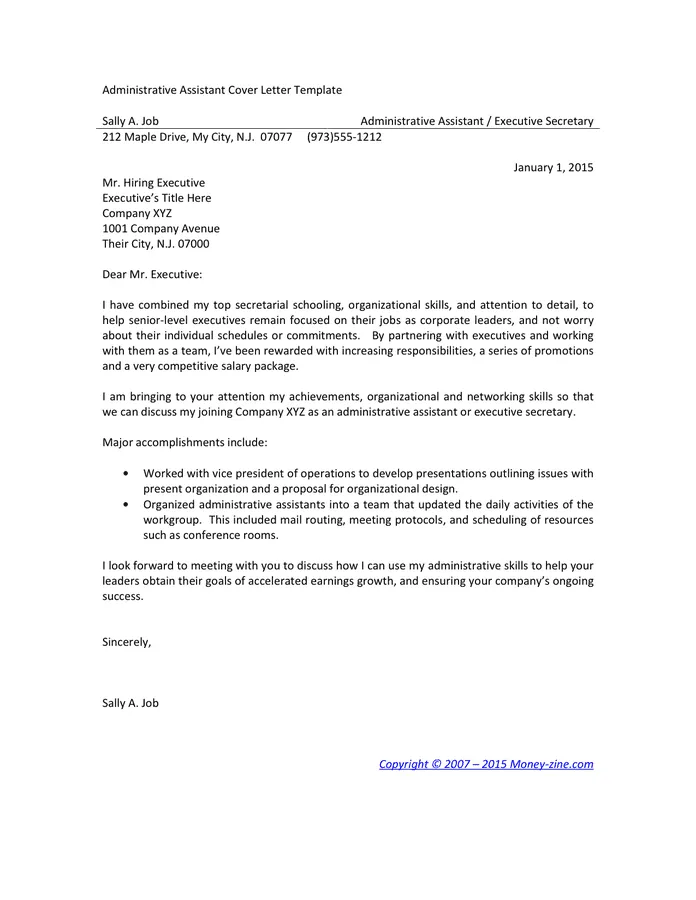
Using a well-structured cover letter template can greatly streamline the writing process and help you create a professional document. Templates provide a framework that guides you in organizing your thoughts and formatting your letter. However, remember to customize the template to fit your unique qualifications and the specific requirements of the job. Start with a basic template that includes sections for your contact information, the hiring manager’s information, a professional salutation, an introduction, a body where you showcase your skills and experience, and a conclusion with a call to action. When using templates, be mindful of the language, ensuring that it is relevant, concise, and accurately reflects your qualifications and the specific job you are applying for. Templates and examples can serve as a starting point, but it’s essential to tailor each letter to the role and the company to make the greatest impact.
Where to Find Templates
Numerous online resources offer free cover letter templates and examples. Websites like Indeed, Resume.com, and others provide a variety of customizable templates in different formats, such as Word documents or Google Docs, which can be easily edited. Search for templates specifically designed for administrative assistant roles to ensure the structure and content align with industry standards. When selecting a template, look for one that is clean, professional, and easy to read. Ensure that the template allows you to highlight your key skills, experience, and achievements effectively. Consider using a template that includes sections for showcasing your skills, quantifying achievements, and expressing your interest in the company. Once you’ve selected a template, take the time to customize it by adding your personal details, tailoring your content to the specific job requirements, and proofreading the final document carefully. The correct template can give you a good starting point for composing your cover letter and organizing your thoughts.
Analyzing Sample Letters
Analyzing sample cover letters can provide valuable insights into effective writing techniques and best practices. Reviewing sample letters from reputable career websites or professional organizations can help you understand the proper structure, language, and tone. Pay attention to how the authors highlight their skills, quantify their achievements, and express their enthusiasm for the role. Analyze the opening and closing statements, as well as the overall organization of the letter, to identify what makes them effective. Look for examples of how the authors tailor their letters to the specific job requirements and the company’s values. Consider the use of action verbs, specific examples, and quantifiable achievements. As you analyze sample letters, make note of what works well and apply those strategies to your own cover letter. Remember, you should use samples as inspiration rather than copying them verbatim; tailor them to fit your unique experience and the specific role.
Common Mistakes to Avoid
Avoiding common mistakes can significantly improve the effectiveness of your cover letter. One of the most frequent errors is using a generic cover letter, which lacks personalization and fails to address the specific requirements of the job. Always tailor your letter to the job description and the company’s values. Another common mistake is neglecting to proofread your cover letter. Typos, grammatical errors, and formatting inconsistencies can damage your credibility and reduce your chances of getting an interview. It is vital to carefully proofread your letter multiple times and to have another person review it for you. Avoid including irrelevant information that does not support your application, such as personal details or excessive background information. Always concentrate on the skills and experience that make you the best match for the job. By avoiding these errors, you will enhance the impact of your cover letter and increase your chances of getting a job.
Generic Cover Letters
Generic cover letters are a major turnoff for hiring managers. A generic letter is one that is not customized to the specific job or company. It lacks the personal touch that demonstrates your genuine interest and understanding of the role. To avoid this mistake, thoroughly research the company and the job description, then tailor your letter to the specific requirements and values of the organization. Highlight the skills and experience most relevant to the position, and explain how you can contribute to their success. Address the hiring manager by name whenever possible, and express your enthusiasm for the opportunity. Demonstrate that you understand the company’s mission and values, and explain how your goals align with theirs. By making your cover letter personalized, you will stand out from other applicants and increase your chances of getting an interview.
Typos and Grammatical Errors
Typos and grammatical errors can significantly undermine the impact of your cover letter and diminish your credibility. Proofreading your cover letter is a non-negotiable step. Mistakes reflect poorly on your attention to detail and can give the impression that you are not careful or professional. Always carefully proofread your letter multiple times, paying attention to spelling, grammar, punctuation, and sentence structure. Use spell-check and grammar-check tools, but do not rely on them exclusively, as they can miss subtle errors. Reading your cover letter aloud can help you catch mistakes that you might miss when reading silently. Consider having a friend, family member, or career advisor proofread your letter for a fresh perspective. Make sure your contact information is accurate and your formatting is consistent throughout. A polished, error-free cover letter will make the best first impression on the hiring manager.
Ignoring the Job Description
Ignoring the job description is a critical mistake that can severely reduce your chances of getting an interview. The job description outlines the specific skills, qualifications, and experience the employer is seeking. Your cover letter should clearly address these requirements. Take the time to thoroughly review the job description before you begin writing. Identify the key skills and qualifications that the employer is looking for. Tailor your cover letter to highlight your relevant experience and skills, demonstrating how they align with the job requirements. Use the same keywords and phrases that the employer uses in the job description. Provide concrete examples of how you have demonstrated those skills in previous roles, and quantify your achievements whenever possible. By directly addressing the job description, you demonstrate your understanding of the role and increase your chances of getting noticed by the hiring manager.
Call to Action and Follow Up
Including a strong call to action and following up are important steps in the job application process. After summarizing your key qualifications and expressing your enthusiasm for the position, include a clear call to action. State your availability for an interview and provide your contact information. Make it easy for the hiring manager to reach you. After submitting your application, follow up with the hiring manager within a week or two. Send a brief email thanking them for their time and reiterating your interest in the role. Mention something specific that you discussed in your cover letter or during your application. Following up shows your enthusiasm and initiative, reinforcing your interest in the position. However, avoid excessive follow-up, as this can be seen as intrusive. A well-timed and thoughtful follow-up can make a positive impression and improve your chances of getting an interview. These actions demonstrate your commitment to the job and increase your chances of securing a favorable outcome.
Expressing Your Interest
Expressing your genuine interest in the role is crucial for making a positive impression on the hiring manager. Your cover letter should clearly communicate your enthusiasm for the position and the company. Throughout your letter, use positive and confident language to highlight your skills and experience. Express your understanding of the company’s mission and values, and explain how your goals align with theirs. Show that you have researched the company and that you are genuinely excited about the opportunity. When closing your cover letter, reiterate your interest in the position and express your eagerness to learn more. By expressing your genuine enthusiasm and passion for the role, you make the hiring manager more likely to see you as a motivated and committed candidate. Your genuine interest will set you apart and increase your chances of landing an interview.
Following Up After Submission
Following up after submitting your application is a professional practice that can boost your chances of getting noticed. Send a brief email to the hiring manager approximately one to two weeks after submitting your application. Thank them for their time and reiterate your interest in the role. Mention something specific that you discussed in your cover letter or during the application process. Keep your email concise and professional, and avoid being overly persistent. Following up shows your enthusiasm and initiative, reinforcing your interest in the position. If you have not heard back after the follow-up email, you can send a second, brief email a few weeks later, but avoid being pushy. Demonstrating your interest and taking the initiative to follow up can make a positive impression and can improve your chances of getting an interview, thus ultimately securing your administrative assistant role.