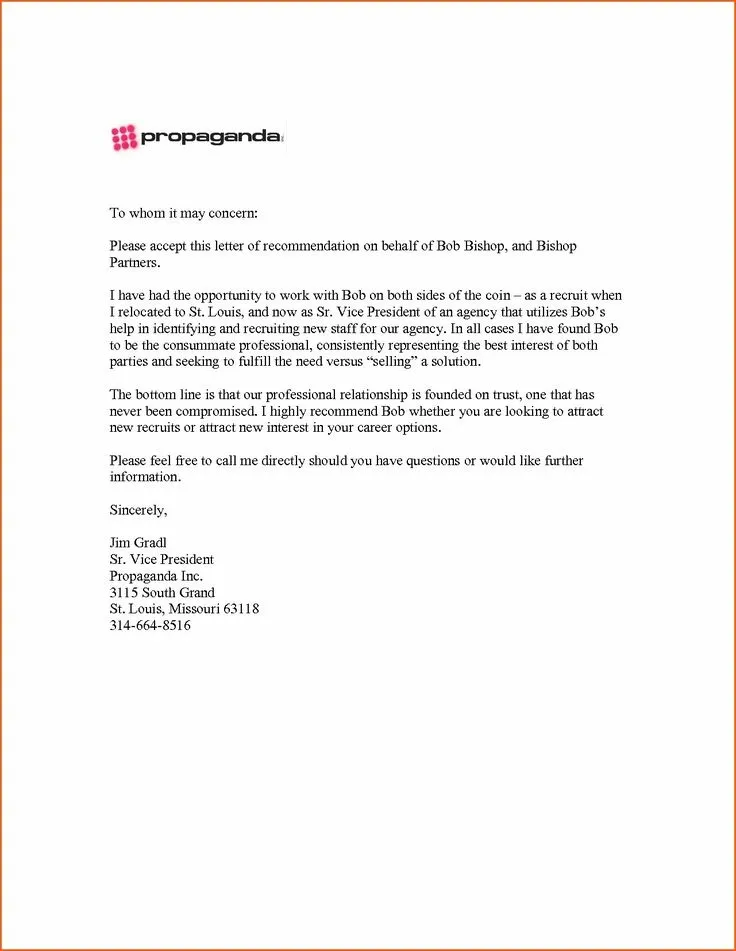
What is a Cover Letter (and Why You Need One)
A cover letter is your first opportunity to make a strong impression on a potential employer. It’s a concise document that accompanies your resume, providing a personalized introduction and highlighting the most relevant aspects of your qualifications. Unlike a resume, which offers a factual overview of your experience and skills, a cover letter allows you to showcase your personality, express your enthusiasm for the role, and explain why you’re the ideal candidate. In today’s competitive job market, a well-crafted cover letter can significantly increase your chances of landing an interview. It’s your chance to connect with the hiring manager on a more personal level and demonstrate your understanding of the company’s needs. If you’re applying for a job, a cover letter is your chance to create an impression, and show your value.
Cover Letter vs. Resume Know the Difference
Understanding the distinction between a cover letter and a resume is crucial for a successful job application. A resume serves as a detailed record of your professional history, education, skills, and accomplishments. It’s a comprehensive document designed to provide a factual overview of your qualifications. A cover letter, on the other hand, is a more personal and targeted document. It allows you to expand on your resume, explain your interest in the specific role and company, and highlight the skills and experiences most relevant to the position. While a resume is a must-have, the cover letter gives you the chance to create a narrative and show your alignment with the company’s values and goals. Think of your resume as the ‘what’ and your cover letter as the ‘why’.
Cover Letter Structure Format for Success

Structuring your cover letter effectively is essential for conveying your message clearly and persuasively. A well-organized cover letter typically includes the following elements. The goal is to create a seamless flow that captures the reader’s attention and keeps them engaged. Start with a compelling introduction that grabs their attention, followed by body paragraphs that showcase your relevant skills and experiences. Close with a strong call to action. A structured format shows professionalism. Each section should contribute to the overall impact and highlight the value you bring to the company. This format helps to make it scannable and easy to understand.
Header Contact Information
The header should include your full name, contact information (phone number and email address), and potentially your LinkedIn profile URL. This information should be clearly presented at the top of the letter, making it easy for the hiring manager to reach you. Ensure your contact details are accurate and professional. Consider using a professional email address and a voicemail greeting. Accuracy is key; a mistake in your contact information can mean your application is lost.
Recipient Address
If possible, address the letter to the hiring manager or the specific person in charge of recruitment. Researching the company’s website or LinkedIn can help you find this information. Addressing your letter to a specific person shows that you’ve taken the time to research the company and are genuinely interested in the opportunity. If you can’t find a specific name, it’s better to use a title, like ‘Hiring Manager’ rather than resorting to ‘To Whom It May Concern’.
Salutation Addressing ‘To Whom It May Concern’

While it’s best to avoid ‘To Whom It May Concern’, sometimes it’s unavoidable. If you can’t find a specific name, use a professional and formal salutation. Consider ‘Dear Hiring Manager’ or ‘Dear [Department Name] Team’. These options are more personal and show you have made an effort to customize your letter, even without a name. Avoid overly casual greetings, and always ensure your salutation aligns with the overall tone of your cover letter. The best salutation will always be a name but that is not always possible.
Body Paragraph 1 Capture Their Attention
The first paragraph should immediately grab the reader’s attention and establish why you’re writing. State the position you’re applying for and where you found the job listing. Then, briefly explain why you’re interested in the role and the company. Show your enthusiasm and what initially piqued your interest. Highlight a key achievement or skill that is directly related to the job description. The goal is to make the hiring manager want to keep reading. Start strong and set the tone for the rest of your letter.
Body Paragraph 2 Highlight Relevant Skills
In the second paragraph, showcase your skills and experiences that directly align with the job requirements. Refer back to the job description and identify the key skills and qualifications the employer is seeking. Provide specific examples of how you’ve demonstrated these skills in previous roles. Use the STAR method (Situation, Task, Action, Result) to illustrate your accomplishments and quantify your achievements whenever possible. This is your chance to prove you have the skills needed. Tailor this section to each specific job to show you are a good fit.
Body Paragraph 3 Show Enthusiasm and Fit

In your final body paragraph, express your enthusiasm for the company and the role. Explain why you are a good fit for the company’s culture and values. Do your research and mention specific aspects of the company that appeal to you. Briefly reiterate your key qualifications and how they align with the company’s goals. Express your confidence in your ability to make a positive contribution. This shows you are interested and that you did your research.
Closing and Call to Action
End your cover letter with a strong closing statement and a clear call to action. Thank the hiring manager for their time and consideration. Reiterate your interest in the position and express your eagerness to discuss your qualifications further in an interview. Provide your contact information again and indicate your availability. A well-crafted call to action will encourage the hiring manager to move forward with your application. End with a professional closing, such as ‘Sincerely’ or ‘Best regards’.
Proofreading and Editing Ensure Perfection
Before submitting your cover letter, carefully proofread and edit it for any errors in grammar, spelling, or punctuation. Even minor mistakes can create a negative impression and undermine your credibility. Read your letter aloud to catch any awkward phrasing or sentences that don’t flow smoothly. Ask a friend, family member, or career advisor to review your letter and provide feedback. A fresh pair of eyes can often spot errors you might have missed. Ensure your cover letter is free of errors. If there are errors, it can show you lack attention to detail.
Cover Letter Tips to Stand Out

To make your cover letter stand out from the crowd, consider these additional tips. Use a professional tone and formatting. Tailor your letter to each specific job application. Highlight your achievements and quantify your results whenever possible. Show, don’t tell, by providing concrete examples of your skills and experiences. Demonstrate your enthusiasm for the role and the company. Proofread your letter carefully for any errors. Use keywords from the job description and avoid generic language. When you do these things, the hiring manager will be impressed.
Tailoring Your Cover Letter to the Job
One of the most important strategies for a successful cover letter is to tailor it to each specific job application. Avoid using a generic template that you send to every employer. Instead, carefully review the job description and identify the key skills and qualifications the employer is seeking. Customize your cover letter to highlight your experiences and achievements that are most relevant to the specific role. Use the same keywords and phrases from the job description to demonstrate your understanding of the requirements. By tailoring your letter, you show that you have done your research and that you’re genuinely interested in the opportunity.
Using Keywords from the Job Description
Incorporating keywords from the job description into your cover letter is an effective strategy to capture the attention of the hiring manager and demonstrate your understanding of the role. Carefully analyze the job description and identify the most important skills, qualifications, and responsibilities. Use these keywords naturally throughout your cover letter. This will show the hiring manager that you possess the skills and qualifications they are looking for. However, avoid keyword stuffing. Your letter should still read naturally and be easy to understand. Use keywords strategically and contextually to highlight your skills and experience. This will show you are the right fit.
Highlighting Achievements Quantifiable Results

When describing your accomplishments in your cover letter, focus on quantifying your results whenever possible. Instead of simply stating your responsibilities, provide specific examples of your achievements and the impact you made in previous roles. Use numbers, percentages, and data to demonstrate the value you brought to your previous employers. For example, instead of saying ‘Improved customer service,’ say ‘Increased customer satisfaction scores by 15% through implementing a new training program.’ Quantifiable results provide concrete evidence of your skills and abilities and make your cover letter more compelling. Specific numbers highlight your success.
Cover Letter Mistakes to Avoid
Avoiding common mistakes can significantly increase your chances of getting noticed by employers. Be aware of what errors will lead to the rejection of your cover letter. Generic cover letters, typos, and ignoring the job description can all work against your application. By avoiding these pitfalls, you can make a positive impression and increase your chances of landing an interview. Taking the time to review the most common cover letter mistakes can help you to avoid them. Knowing these things can mean the difference between success and failure.
Generic Cover Letters
One of the biggest mistakes you can make is sending a generic cover letter that isn’t tailored to the specific job or company. Hiring managers can easily spot generic letters, and they often discard them without reading them carefully. Take the time to customize your cover letter for each application. Research the company, understand the role, and highlight the skills and experiences most relevant to the job description. Addressing the hiring manager by name and showing that you understand their specific needs is a huge advantage. Do not be generic.
Typos and Grammatical Errors

Typos and grammatical errors can immediately undermine your credibility and make you appear unprofessional. Carefully proofread your cover letter for any errors in spelling, grammar, punctuation, and capitalization. Use spell check, but also read your letter aloud to catch any awkward phrasing or sentences that don’t flow smoothly. Ask a friend, family member, or career advisor to review your letter and provide feedback. A fresh pair of eyes can often spot errors you might have missed. A single mistake could cost you the job.
Ignoring the Job Description
Failing to address the requirements outlined in the job description is a significant mistake. The job description is your guide for what the employer is looking for in a candidate. Carefully read the job description and identify the key skills, qualifications, and responsibilities. Then, customize your cover letter to highlight how your experience and achievements align with these requirements. Use the same keywords and phrases from the job description to demonstrate your understanding of the role. Ignoring this will show you did not read the description and will mean you are not considered for the role.
Cover Letter Template Downloads and Resources
There are many resources available to help you create a winning cover letter. Various websites offer free cover letter templates that can help you get started. Consider using these templates to provide a structure, but remember to customize them to fit your specific needs and the job you are applying for. In addition to templates, many websites provide guidance and examples of cover letters for various industries and job titles. Take advantage of these resources to learn from successful examples and improve your writing. Use templates as a starting point, then add your own details.
Free Cover Letter Templates

Several websites offer free cover letter templates that can help you create a professional and well-formatted document. These templates provide a basic structure and format, allowing you to focus on the content of your letter. When using a template, be sure to customize it to fit your specific needs. Do not simply fill in the blanks with your information. Adapt the template to highlight your unique skills and experiences, and tailor it to the specific job you are applying for. Choose a template that aligns with your industry and the overall tone of your application. Use templates as a starting point.
Where to Find More Resources
In addition to templates, numerous resources are available to help you improve your cover letter writing skills. Career websites, such as LinkedIn, Indeed, and Glassdoor, offer articles, guides, and examples of successful cover letters. Professional career coaches and resume writers can provide personalized feedback and guidance. Consider consulting with a career advisor to receive expert advice on your cover letter and job search strategy. Make use of the internet. Find the best information available to perfect your cover letter.