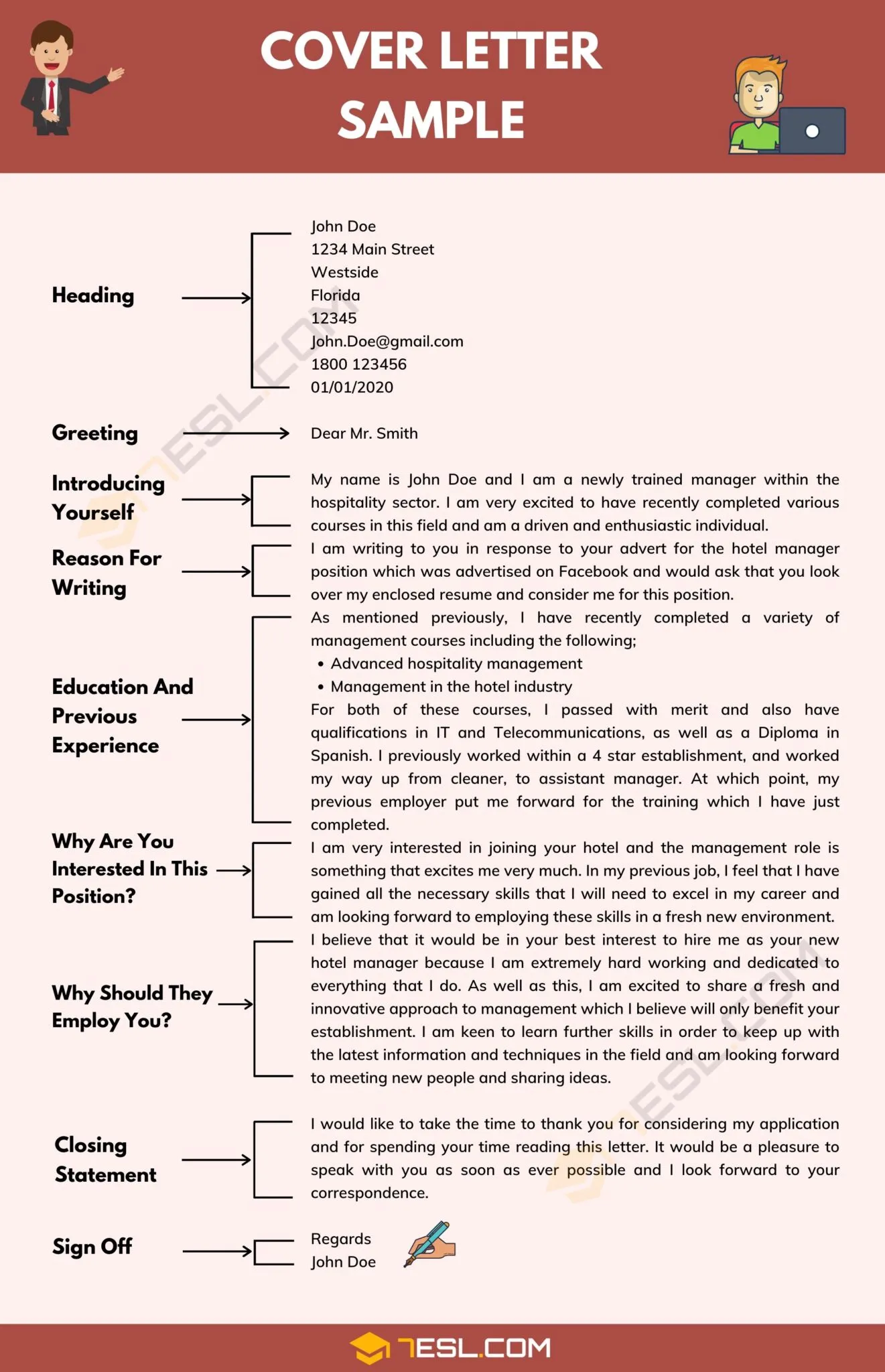
What is a Cover Letter?
A cover letter is a one-page document that you submit as part of your job application alongside your resume. It serves as a personalized introduction, allowing you to expand on your qualifications, express your interest in the specific position, and showcase your writing skills. Think of it as your chance to make a strong first impression and convince the hiring manager to read your resume. A well-crafted cover letter can significantly increase your chances of getting an interview.
Purpose of a Cover Letter
The primary purpose of a cover letter is to provide context to your resume. It explains why you’re interested in the job and the company, and how your skills and experience align with the role’s requirements. It’s also an opportunity to demonstrate your personality, writing ability, and communication skills. A good cover letter should highlight your key strengths, quantify your accomplishments, and make a compelling case for why you’re the ideal candidate.
Why is a Cover Letter Important?

In today’s competitive job market, a cover letter is more important than ever. It allows you to differentiate yourself from other applicants and provide a more complete picture of your qualifications. Many hiring managers consider a cover letter essential, as it demonstrates your genuine interest in the role and the company. It also provides insights into your communication style and professionalism. A well-written cover letter shows that you’ve taken the time to research the company and tailor your application to the specific job.
Cover Letter Structure
A well-structured cover letter is easy to read and quickly conveys your key qualifications. The standard structure includes a header, a professional greeting, body paragraphs, a call to action, and a closing with your signature. Each section serves a specific purpose, contributing to the overall impact of your letter. By following a clear structure, you ensure that your cover letter is organized, professional, and easy for the hiring manager to understand.
Header and Contact Information
Your header should include your full name, contact information (phone number, email address, and LinkedIn profile URL), and the date. It is best to use a professional and readable font, and ensure your contact details are accurate. The header is crucial because it enables the hiring manager to easily contact you. Also, include the hiring manager’s name and the company’s address (if known) to show you have done your research and are submitting a tailored application.
Professional Greeting

Start your cover letter with a professional greeting, such as “Dear Mr./Ms./Mx. [Last Name],” if you know the hiring manager’s name. If you are unsure of the hiring manager’s name, use “Dear Hiring Manager” or “Dear [Department Name] Team.” Avoid generic greetings like “To Whom It May Concern.” Addressing your letter to a specific person makes it feel more personal and shows you have put in the effort to find out their name.
Body Paragraphs
The body of your cover letter is where you make your case. It usually consists of three main paragraphs. The first paragraph grabs the reader’s attention by stating the position you are applying for and how you found the job. The second paragraph showcases your relevant skills and experiences. The third paragraph expresses your enthusiasm for the role and the company. Each paragraph should be concise, impactful, and tailored to the specific job description.
First Paragraph Grab Attention
Start your cover letter with a compelling opening that grabs the hiring manager’s attention. Mention the specific position you are applying for and where you found the job posting. Briefly state why you are interested in the position and the company. Show your enthusiasm from the start. Also, make it clear that you are applying for the role and that your skills and experience align with the job requirements.
Second Paragraph Showcase Skills

In the second paragraph, showcase your skills and experience that are relevant to the job. Use specific examples to illustrate your accomplishments and quantify your achievements whenever possible. Describe how your skills have helped you succeed in previous roles and how they can benefit the company. Align your skills with the job description, highlighting the key requirements. Focus on the qualifications that make you a strong fit for the role.
Third Paragraph Express Enthusiasm
In the third paragraph, express your enthusiasm for the role and the company. Explain why you are excited about the opportunity and what attracts you to the company’s mission, values, or culture. This is your chance to show that you have done your research and are genuinely interested in the position. State your confidence in your ability to contribute and make a positive impact.
Call to Action
Include a call to action to encourage the hiring manager to contact you. Express your interest in an interview and thank them for their time and consideration. Be polite and professional, and make it easy for them to take the next step. Also, reiterate your interest in the role and the company. Make sure you provide your contact information again to ensure the hiring manager can easily reach you.
Closing and Signature

Close your cover letter with a professional closing, such as “Sincerely,” “Best regards,” or “Thank you.” Then, sign your name, either electronically or by hand if you are submitting a physical copy. Ensure your closing is appropriate for the tone of your letter and the company’s culture. Review your entire letter to ensure there are no errors before submitting it.
Essential Content
The content of your cover letter should be tailored to each specific job application. It is essential to highlight relevant skills, quantify your achievements, and tailor your letter to the job description. Make sure each point is well-supported by examples and evidence. By doing so, you will capture the reader’s attention and increase your chances of landing an interview. Also, ensure all information in your cover letter matches the information you shared on your resume.
Highlight Relevant Skills
Identify the key skills and qualifications required for the job and highlight how your skills and experience align with them. Use the job description as your guide. Provide specific examples of how you have used these skills in previous roles and the positive outcomes you achieved. Prioritize the skills that are most relevant to the position. Tailor your cover letter to the specific requirements of each job. Highlight achievements and skills related to the role.
Quantify Achievements

Whenever possible, quantify your achievements with numbers and data. Instead of saying “Improved sales,” state “Increased sales by 15% in six months.” Quantifying your achievements provides concrete evidence of your accomplishments and helps the hiring manager understand the impact you have made in previous roles. Use metrics and statistics to demonstrate your value. Quantifiable achievements make your claims more credible and memorable. They also make your impact on the company clear.
Tailor to the Job Description
Customize your cover letter for each job application by carefully reviewing the job description. Identify the key requirements, skills, and qualifications that the employer is seeking. Tailor your content to address these specific needs, highlighting how your experience and skills align with the job. Use keywords from the job description in your letter to show that you understand the role and are a good fit. This targeted approach demonstrates your genuine interest and increases your chances of getting an interview.
Formatting and Design
The formatting and design of your cover letter are important for readability and professionalism. Use a clear, readable font, ample white space, and consistent formatting throughout the document. These elements make your cover letter visually appealing and easy to read, which is essential for capturing the hiring manager’s attention and making a positive impression. A well-formatted cover letter demonstrates your attention to detail and professionalism.
Font and Size

Choose a professional font like Times New Roman, Arial, or Calibri. Ensure that the font size is between 10 and 12 points for optimal readability. Avoid using overly decorative or unusual fonts, as they can be distracting. Make sure your font is consistent throughout the document. Choose a font that is easy on the eyes and presents a professional image.
White Space and Readability
Use ample white space to make your cover letter easy to read. Include margins of at least one inch on all sides and space between paragraphs. Keep your paragraphs concise and use bullet points to highlight key information. This prevents the document from looking cluttered. Ample white space makes the document more visually appealing. Also, avoid long blocks of text.
Proofreading and Editing
Proofreading and editing are crucial steps in ensuring your cover letter is error-free. Errors in grammar, spelling, or punctuation can undermine your credibility and make a negative impression on the hiring manager. Carefully review your cover letter multiple times. Use spell-check and grammar-check tools, and consider having a friend or colleague proofread your letter as well. A polished cover letter demonstrates your attention to detail and commitment to excellence.
Common Mistakes to Avoid
Avoiding common mistakes can significantly improve your cover letter and increase your chances of landing an interview. Being aware of these common pitfalls will help you write a more effective cover letter. By avoiding these common mistakes, you’ll create a more professional and compelling application.
Typos and Grammatical Errors
Typos and grammatical errors can make your cover letter look unprofessional and undermine your credibility. Always proofread your cover letter carefully and use spell-check and grammar-check tools. Consider having a friend or colleague review your letter as well. Also, incorrect grammar and typos can suggest carelessness and a lack of attention to detail. A polished cover letter is essential for a positive first impression.
Generic Content
Avoid using generic content that could be applied to any job. Customize your cover letter for each specific position by highlighting your skills and experience that align with the job requirements. Show that you have researched the company and understand the role. Use specific examples to demonstrate your value and make your application stand out. Generic letters show a lack of effort and a lack of genuine interest in the company or role.
Too Long
Keep your cover letter concise and focused, ideally one page in length. Hiring managers are busy and appreciate brevity. Get to the point quickly and highlight your key qualifications. Eliminate unnecessary information and focus on the most relevant details. A short, impactful letter demonstrates respect for the hiring manager’s time and improves the chance of being read.
Cover Letter Examples
Reviewing examples can provide valuable insights and guidance when writing your cover letter. Examples show different styles, formatting, and content, helping you understand how to structure your letter and highlight your qualifications. Reviewing examples is a great way to gain inspiration and ensure your cover letter is effective. Also, examples help you understand how to tailor your letter to different roles and industries.
Example 1 Sales Position
In a cover letter for a sales position, emphasize your sales skills, such as lead generation, closing deals, and customer relationship management. Quantify your achievements by providing specific metrics, such as “Increased sales by 20% in one year.” Highlight your experience with sales software, CRM systems, and your ability to exceed sales targets. Also, include a brief overview of your experience and how you can help the company achieve their sales goals. Showcase your ability to meet and exceed expectations.
Example 2 Marketing Role
For a marketing role, highlight your experience with marketing strategies, digital marketing, content creation, and social media management. Provide examples of successful marketing campaigns and their results. Mention any experience with marketing analytics, SEO, or email marketing. Show your ability to drive brand awareness and generate leads. Include a brief overview of your experience and how you can help the company achieve its marketing goals.
Example 3 Engineering Job
In a cover letter for an engineering job, emphasize your technical skills, such as proficiency in specific engineering software and your experience with project management. Provide examples of successful engineering projects and your role in them. Mention your relevant certifications or licenses. Include a brief overview of your experience and how you can contribute to the company’s engineering projects. Highlight your ability to solve problems and work in a team.
Finalizing Your Cover Letter
Finalizing your cover letter requires careful review and preparation before submitting your application. Before submitting, make sure to proofread your letter, review your resume, and follow up appropriately. Ensure that your cover letter is polished, error-free, and tailored to the specific job. These steps can boost your chances of landing an interview and showcase your professionalism.
Review and Revise
Review and revise your cover letter multiple times to ensure it is error-free and tailored to the job description. Check for typos, grammatical errors, and formatting issues. Ensure that your content is concise, well-organized, and highlights your key qualifications. Ask a friend or colleague to proofread your letter for a fresh perspective. Make sure all information is correct and complete.
Submit and Follow Up
Submit your cover letter and resume according to the employer’s instructions. Follow up with a brief email or phone call a week or two after submitting your application. Thank the hiring manager for their time and reiterate your interest in the position. This shows your genuine interest and initiative. Also, make sure to address the hiring manager by name. Sending a thank-you note increases your chance of getting the role.