Cover Letter for Resume The Essentials
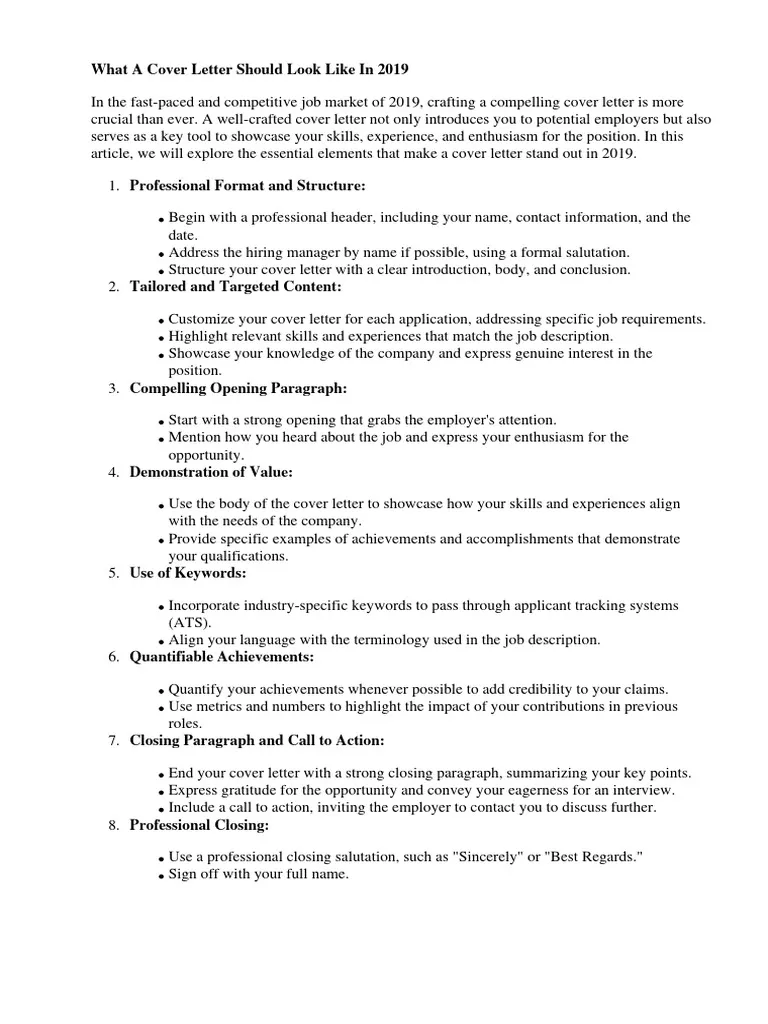
A cover letter is an essential document that accompanies your resume when applying for a job. It serves as your introduction to the hiring manager, providing an opportunity to showcase your personality, skills, and enthusiasm for the role. A well-written cover letter complements your resume by expanding on your experiences and demonstrating how you align with the company’s needs and values. It’s your chance to make a strong first impression and persuade the employer to consider you further. Crafting a compelling cover letter is a crucial step in the job application process, and understanding the key elements is vital for success. Avoid generic templates and strive for personalization to capture the reader’s attention immediately.
Contact Information
Your Name and Contact Details

At the top of your cover letter, begin with your contact information. This should include your full name, phone number, email address, and optionally, your LinkedIn profile URL or personal website. Ensure that your contact details are accurate and professional. Make sure the email address sounds professional and reflects the image you wish to project. This information is crucial, as it enables the hiring manager to easily reach you if they are interested in your application.
Hiring Manager Information
Whenever possible, address your cover letter to a specific person. Research the company to find the hiring manager’s name or the name of the person in charge of hiring for the specific role. Addressing your letter to a specific individual demonstrates your initiative and attention to detail. If you are unable to find a specific name, you can use a professional salutation such as “Dear Hiring Manager” or “Dear [Department Name] Team.” This shows that you have taken the time to research and personalize your application.
Salutation
The salutation sets the tone for your cover letter. Use a formal and professional greeting, such as “Dear Mr./Ms./Mx. [Last Name]” if you know the hiring manager’s name. If you don’t know their name, “Dear Hiring Manager” is a suitable alternative. Avoid overly casual greetings like “Hi” or “Hello.” The salutation should be followed by a colon. A well-chosen salutation is the first step in creating a positive impression, signaling to the hiring manager that you are serious about the opportunity.
Body Paragraph 1 Why a Cover Letter Matters

The Importance of a Cover Letter
The first paragraph of your cover letter should immediately grab the reader’s attention. Start by stating the position you are applying for and where you found the job posting. Then, briefly explain why you are interested in the role and the company. This is your chance to express your enthusiasm and tailor the letter to the specific job requirements. Show your understanding of the company’s mission and values. Make sure to highlight your key qualifications that align with the job description. This sets the stage for the rest of your letter, making a strong first impression and persuading the reader to continue reading.
Body Paragraph 2 Tailoring Your Letter
Researching the Company

Before you start writing, research the company and the specific role. Visit the company’s website, read news articles, and review their social media presence. This helps you tailor your letter to their specific needs and demonstrate your genuine interest. Understand the company’s values, mission, and culture. Mentioning specific projects, initiatives, or values that resonate with you shows that you’ve taken the time to understand what they are looking for. This tailored approach makes your application stand out from generic applications.
Highlighting Relevant Skills and Experience
In the second paragraph, discuss your skills and experience. Focus on how your qualifications match the job requirements. Review the job description and identify the key skills and experiences the employer is seeking. Provide specific examples of how you have demonstrated those skills in previous roles or projects. Back up your claims with concrete evidence and accomplishments. Use action verbs to describe your achievements and quantify your successes whenever possible. This is your chance to show, not just tell, why you are a good fit for the position.
Body Paragraph 3 Showcasing Achievements
Quantifying Your Accomplishments

In this paragraph, provide specific examples of your achievements. Quantify your accomplishments whenever possible. Instead of saying “Improved customer satisfaction,” say “Increased customer satisfaction by 20% through implementing a new feedback system.” Use numbers, percentages, and specific data to illustrate your impact. This adds credibility to your claims and demonstrates the value you can bring to the company. Focusing on results makes your cover letter more compelling and memorable. Be sure to provide a brief explanation of the context and the actions you took to achieve the results.
Providing Specific Examples
Use the STAR method (Situation, Task, Action, Result) to provide clear and concise examples. Describe the situation or challenge you faced, the task you were assigned, the actions you took, and the results you achieved. This structure helps you tell a compelling story that highlights your problem-solving skills and ability to deliver results. Examples can include projects you led, problems you solved, or initiatives you spearheaded. Each example should be relevant to the job description and showcase skills and qualities the employer is seeking. Make it easy for the hiring manager to understand how you can benefit the company.
Body Paragraph 4 Expressing Enthusiasm and Fit
Demonstrating Your Interest in the Role

In the final body paragraph, express your enthusiasm for the role and the company. Reiterate why you are interested in the position and what you hope to achieve. Mention specific aspects of the company or role that excite you. Show that you have researched the company and understand their mission and values. Indicate how your skills and experiences align with the company’s needs. Conclude by mentioning that you are eager to learn more about the opportunity and are available for an interview. This demonstrates your genuine interest and commitment to the role.
Aligning with Company Values
Demonstrate how your personal values align with the company’s. Mention any specific values that resonate with you, whether it’s teamwork, innovation, or customer service. Provide examples of how you have demonstrated these values in your previous work. By showcasing your cultural fit, you make a strong case for why you are a good match for the company. This connection makes your cover letter more persuasive and memorable.
Closing Your Cover Letter
Formal Closing and Signature

Conclude your cover letter with a formal closing. Use phrases like “Sincerely,” “Best regards,” or “Thank you for your consideration.” Then, include your handwritten signature if submitting a physical copy or just type your name if sending it electronically. Reiterate your interest in the position. Provide a call to action by stating that you look forward to hearing from them soon. Include a link to your portfolio or online profile if relevant. Express your gratitude for their time and consideration.
Proofreading and Editing
Before submitting your cover letter, proofread it carefully for any grammatical errors, spelling mistakes, or typos. Ask a friend, family member, or career counselor to review it as well. Ensure that your letter is well-formatted, with clear and concise language. Make sure the tone is professional and appropriate for the job and the company. A polished cover letter demonstrates attention to detail and enhances your chances of making a positive impression on the hiring manager. Double-check all the details, from the company name to the job title. A well-proofread cover letter demonstrates professionalism and commitment to excellence.