Why a Cover Letter Matters
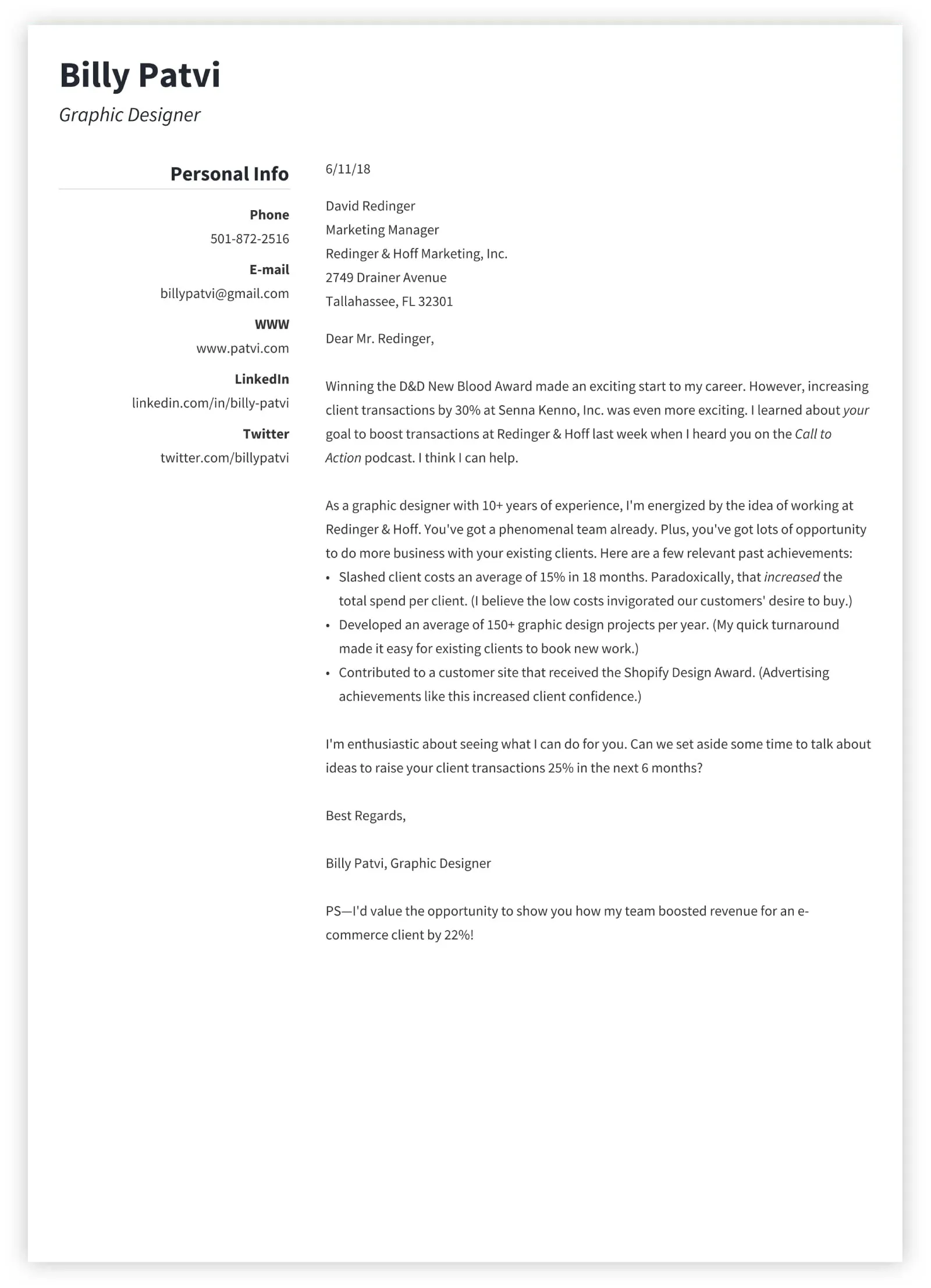
In the competitive landscape of modern job searching, a well-crafted cover letter is more than just a formality—it’s your first opportunity to make a lasting impression. While your resume provides a concise overview of your skills and experience, a cover letter allows you to delve deeper, showcasing your personality, your genuine interest in the role, and your understanding of the company’s needs. It serves as your personal introduction, setting the stage for the hiring manager to see you as more than just a list of qualifications. A strong cover letter can be the deciding factor, separating you from other candidates who may have similar qualifications. It’s your chance to highlight what makes you unique and why you are the perfect fit for the position, and a cover letter is a tool that can help you to do that.
Crafting a Compelling Cover Letter
A compelling cover letter goes beyond simply restating your resume; it tells a story. It should be tailored to each specific job application, demonstrating your understanding of the role and the company’s values. Begin by researching the company and the specific requirements of the job. Identify the key skills and experiences the employer is seeking and then highlight how your qualifications align with their needs. The tone should be professional yet enthusiastic, reflecting your genuine interest in the opportunity. Use action verbs to describe your accomplishments and quantify your achievements whenever possible. A well-written cover letter demonstrates that you have taken the time to understand the role and that you are committed to making a positive contribution to the company, and a cover letter needs to be a good one.
Formatting Your Cover Letter

The visual presentation of your cover letter is just as important as its content. A clean, professional format is crucial for making a positive first impression. Use a standard font like Times New Roman, Arial, or Calibri in a readable size (11 or 12 points). Maintain consistent margins (typically one inch on all sides) to create a balanced look. Ensure the letter is well-structured with clear headings, paragraphs, and ample white space to avoid overwhelming the reader. Keep the letter concise, ideally within one page. A well-formatted cover letter is easy to read and conveys professionalism, signaling to the hiring manager that you pay attention to detail, and formatting your cover letter correctly can make a real difference.
Header and Contact Information
Start your cover letter with a professional header that includes your full name, address, phone number, and email address. This information should be clearly displayed at the top of the page. Following your contact information, include the date and the hiring manager’s name (if known), along with their title and the company’s address. Addressing the hiring manager by name, rather than using a generic greeting, shows that you have taken the time to research and personalize your application. If you cannot find the hiring manager’s name, you can use a professional greeting like ‘Dear Hiring Manager’ or ‘Dear [Department Name] Team’. Ensuring your contact information is accurate is essential to allow the recruiter to contact you with any updates.
The Salutation
The salutation is your first opportunity to engage the reader. As mentioned, if you know the hiring manager’s name, use a personalized greeting like ‘Dear Mr./Ms./Mx. [Last Name]’. This personal touch immediately demonstrates your attention to detail and your initiative in researching the company. If the name is unavailable, ‘Dear Hiring Manager’ or ‘Dear [Department Name] Team’ are acceptable alternatives. Avoid overly casual greetings like ‘Hello’ or ‘Hi’, as these may not convey the level of professionalism expected in a job application. Your salutation sets the tone for the entire letter, so make sure it is both professional and engaging. It is also worth noting that correctly addressing the reader may well make your application stand out.
The Opening Paragraph

Your opening paragraph should immediately grab the reader’s attention and clearly state the purpose of your letter. Begin by specifying the position you are applying for and where you found the job posting. Briefly mention something that sparked your interest in the role or the company. Then, provide a concise overview of your most relevant qualifications and experience, highlighting how they align with the job requirements. Avoid generic introductions. Instead, aim to create a hook that makes the hiring manager want to read further. This paragraph is your chance to make a strong first impression and set the tone for the rest of your cover letter. A solid opening paragraph is essential.
Highlighting Your Skills and Experience
The body of your cover letter is where you showcase your skills and experience in detail. Instead of simply restating your resume, select a few key achievements and skills that directly relate to the job description. Use specific examples to demonstrate how you have applied these skills in the past and the positive outcomes you achieved. Quantify your accomplishments whenever possible. For example, instead of saying ‘Improved customer satisfaction,’ say ‘Increased customer satisfaction by 15% through implementing a new feedback system.’ Tailor your examples to match the specific requirements of the role, emphasizing the skills and experiences that are most relevant to the hiring manager. This section is your opportunity to showcase why you are the perfect fit for the job. Doing so will make your letter stand out and will significantly increase your chances of getting hired.
Tailoring to the Job Description
Every cover letter should be customized to the specific job you are applying for. Review the job description carefully and identify the key requirements, skills, and qualifications the employer is seeking. Then, tailor your cover letter to address these specific points. Use the same keywords and phrases that are used in the job description to show that you understand the role and are a good match. Provide specific examples of how your skills and experience align with the job requirements. Avoid sending a generic cover letter that could be used for any job; instead, demonstrate your genuine interest in the role and the company by showing that you have done your research and understand what they are looking for. Personalizing your cover letter is essential if you are going to have the best possible chance of getting the job.
Quantifying Your Achievements

One of the most effective ways to make your cover letter stand out is by quantifying your achievements. Instead of making vague statements about your accomplishments, use numbers, percentages, and data to demonstrate the impact you have made in previous roles. For example, instead of saying ‘Managed social media campaigns,’ you could say ‘Managed social media campaigns that increased follower engagement by 30% and website traffic by 20%.’ Quantifying your achievements provides concrete evidence of your skills and abilities. It makes your accomplishments more credible and allows the hiring manager to easily understand the value you can bring to their company. Always quantify your achievements.
Demonstrating Your Enthusiasm
A cover letter is your opportunity to express your enthusiasm for the role and the company. Show your genuine interest by mentioning specific aspects of the company that appeal to you, such as their mission, values, or recent projects. Explain why you are excited about the opportunity and how you believe you can contribute to the company’s success. Avoid generic statements; instead, personalize your letter to demonstrate that you have researched the company and understand their goals. Your enthusiasm can make a significant difference, setting you apart from other candidates who may have similar qualifications. Make sure your enthusiasm shines through and is also professional.
Closing the Cover Letter
Your closing paragraph should reiterate your interest in the position and summarize your key qualifications. Thank the hiring manager for their time and consideration. Reiterate your enthusiasm for the opportunity and emphasize how your skills and experience align with the company’s needs. Keep the tone professional and confident, and avoid ending with a question or a passive statement. Instead, express your eagerness to discuss your qualifications further in an interview. A strong closing paragraph leaves a lasting positive impression and encourages the hiring manager to take the next step. Keep the closing concise.
The Call to Action

Include a clear call to action in your closing paragraph. This is a direct statement that tells the hiring manager what you want them to do next. For example, you can state your availability for an interview and express your eagerness to discuss your qualifications in more detail. Avoid being overly demanding or presumptuous; instead, express your enthusiasm and make it easy for the hiring manager to take the next step. By including a clear call to action, you increase the likelihood of receiving a response and moving forward in the application process. Be clear and concise.
Proofreading and Editing
Before submitting your cover letter, proofread and edit it carefully. Errors in grammar, spelling, and punctuation can undermine your credibility and make a negative impression on the hiring manager. Read your letter multiple times, and consider asking a friend, family member, or career advisor to review it as well. Pay attention to the overall flow and clarity of your writing. Ensure that your letter is free of typos, grammatical errors, and awkward phrasing. A well-edited cover letter demonstrates your attention to detail and professionalism. Correcting your mistakes will make your cover letter shine, and the attention to detail may also make you seem more appealing to the hiring manager.
Common Cover Letter Mistakes to Avoid
Avoid common mistakes that can damage your chances of getting an interview. These include using generic templates, not tailoring the letter to the specific job, and including irrelevant information. Other mistakes include making the letter too long, using passive language, and focusing on what you want rather than what you can offer the employer. Ensure your letter is not too long, and don’t include any information that is not relevant to the job application. By avoiding these common pitfalls, you can significantly increase your chances of making a positive impression and landing an interview. Proofread and edit your work to avoid these mistakes.