Crafting a Compelling Cover Letter
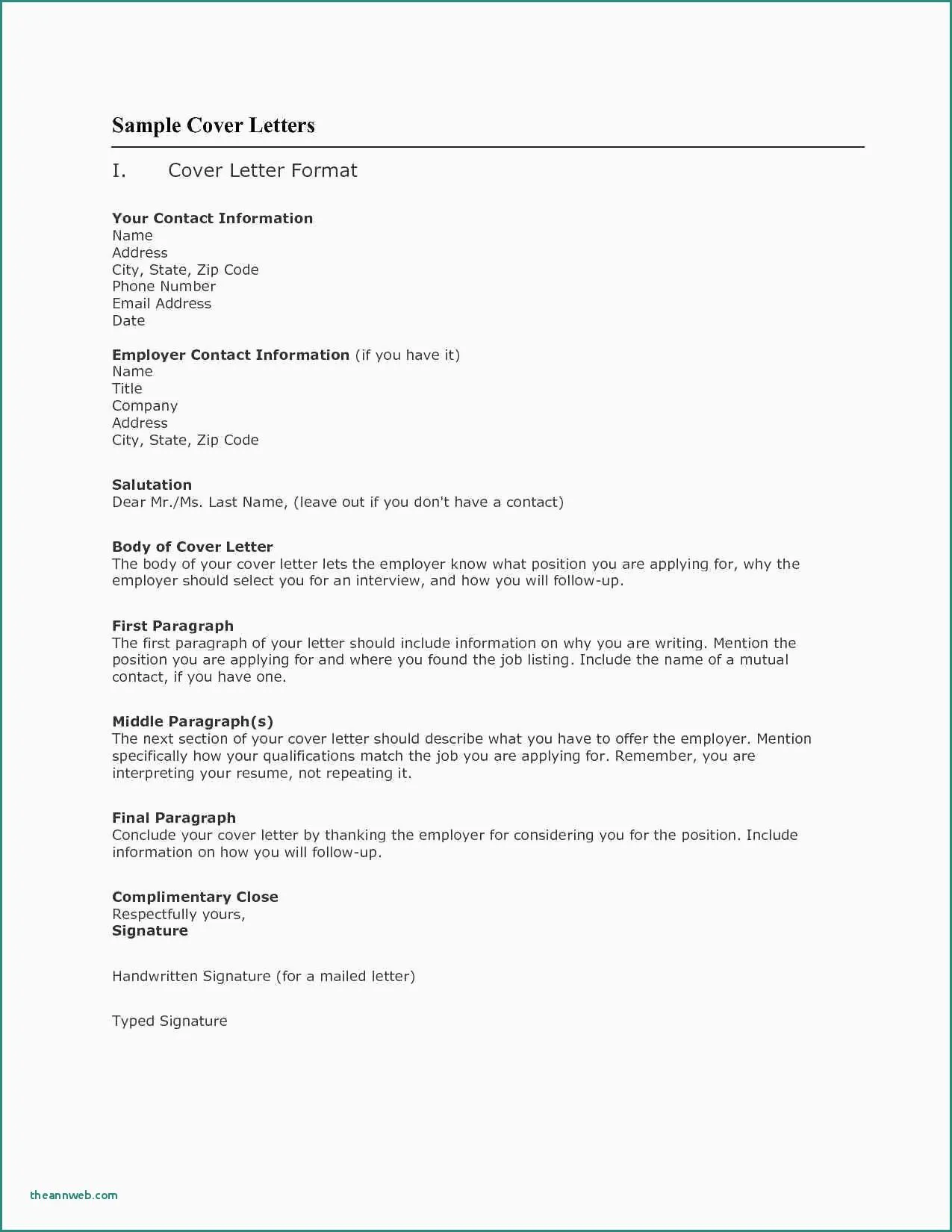
A cover letter is your first chance to make a strong impression on a potential employer. It’s a critical document that accompanies your resume, providing a personalized introduction and highlighting your qualifications. When you don’t know the hiring manager’s name, the task can seem daunting, but with the right approach, you can still create a compelling cover letter that stands out. This guide provides cover letter examples and practical advice to help you get hired, even when you’re unsure who will be reading your application.
Addressing the Unknown
Not knowing the hiring manager’s name is a common challenge. Avoid generic greetings like “To Whom It May Concern.” Instead, use professional alternatives. Consider using “Dear Hiring Manager” or “Dear [Company Name] Hiring Team.” These options are direct, respectful, and show that you’ve done your research. If the company has a specific department for HR, address your letter to the relevant team. Researching the company website can often provide clues about who to address your letter to, even if it’s a general title. This demonstrates initiative and attention to detail, qualities employers value.
Highlighting Your Skills and Experience

Your cover letter should effectively showcase your skills and experience. Start by identifying the key requirements of the job. Then, highlight how your qualifications align with these needs. Provide specific examples of your past accomplishments, quantifying them whenever possible. Instead of simply listing responsibilities, describe the impact you made in previous roles. For instance, instead of saying “Managed social media accounts,” write “Increased social media engagement by 30% within six months by implementing targeted content strategies.” This level of detail makes your application more memorable and demonstrates your ability to deliver results. Focus on the skills most relevant to the position.
Researching the Company and Role
Thorough research is essential for a strong cover letter. Visit the company’s website to learn about their mission, values, and recent projects. Examine the job description carefully and identify keywords that align with your skills. Use this information to tailor your letter. Demonstrate your understanding of the company’s needs and explain how you can contribute to their success. If you can find information about the team or department you’re applying to, mention specific projects or initiatives that interest you. Showing genuine interest and knowledge of the company’s work significantly increases your chances of getting noticed.
Showcasing Your Achievements
Achievements are more impactful than a list of your duties. When describing your past roles, emphasize the outcomes you achieved. Use the STAR method (Situation, Task, Action, Result) to structure your examples. First, describe the situation or context. Then, outline the task you were assigned. Next, explain the actions you took to address the task. Finally, detail the results you achieved. For example, “In my previous role, I was tasked with improving customer satisfaction scores (Situation). I implemented a new customer feedback system (Task). I trained the customer service team and analyzed the feedback data (Action). As a result, customer satisfaction scores increased by 20% in one quarter (Result).” This approach provides a clear and concise narrative of your abilities and accomplishments.
Structuring Your Cover Letter

A well-structured cover letter is easy to read and keeps the hiring manager engaged. The structure should consist of an opening paragraph, body paragraphs, and a closing paragraph. Each section serves a specific purpose in presenting your qualifications. Proper formatting, clear language, and a logical flow are essential. Use a professional font, such as Arial or Times New Roman, with a font size between 11 and 12 points. Maintain consistent spacing and margins. These small details demonstrate attention to detail and professionalism. Keep it concise, ideally within one page, to respect the reader’s time.
The Opening Paragraph
The opening paragraph is your first chance to grab the hiring manager’s attention. Start with a strong statement that highlights your interest in the role and the company. Briefly mention how you learned about the opportunity. If you were referred by someone, mention their name. State your strongest qualifications, linking them directly to the job requirements. This immediately signals to the reader why you are a good fit. The tone should be confident and enthusiastic, conveying your genuine interest in the position and the company. Avoid generic opening lines, such as “I am writing to express my interest.” Instead, be direct and engaging.
The Body Paragraphs
The body paragraphs are where you elaborate on your skills, experience, and accomplishments. Use these paragraphs to demonstrate how your qualifications align with the job requirements. Provide specific examples, using the STAR method to showcase your achievements. Focus on the skills and experiences that are most relevant to the position. Quantify your accomplishments whenever possible, using numbers and data to illustrate your impact. Explain how your skills have contributed to previous employers’ successes. Each paragraph should address a different aspect of your suitability for the role. Keep the paragraphs concise and focused, avoiding unnecessary jargon or complex sentences.
The Closing Paragraph
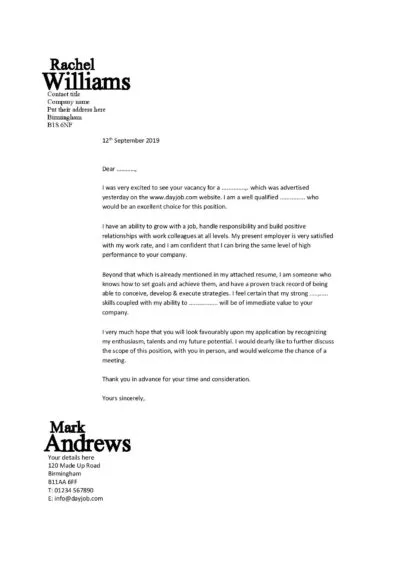
The closing paragraph should reiterate your interest in the role and thank the reader for their time. Express your eagerness to learn more about the opportunity and discuss your qualifications further. Include a call to action, such as stating that you look forward to hearing from them soon. Reiterate your contact information, including your phone number and email address. End with a professional closing, such as “Sincerely” or “Best regards.” Proofread the entire cover letter one last time to catch any typos or grammatical errors. A strong closing paragraph leaves a lasting positive impression.
Formatting and Proofreading
Formatting and proofreading are crucial for a professional cover letter. Use a clean, easy-to-read font, such as Arial or Times New Roman, with a font size between 11 and 12 points. Ensure consistent margins and spacing. Proofread the cover letter meticulously for any typos, grammatical errors, and punctuation mistakes. Have someone else review your letter to catch any errors you may have missed. A well-formatted and error-free cover letter shows attention to detail and professionalism. Ensure that the format is consistent with your resume and that all contact information is accurate. Poor formatting and errors can undermine your application and give a negative impression.
Finding the Right Tone
The tone of your cover letter should be professional, enthusiastic, and tailored to the company’s culture. Research the company’s values and communication style to inform your writing. Use a positive and confident tone, highlighting your enthusiasm for the role and the company. Avoid sounding overly casual or overly formal. Strike a balance that reflects your personality while maintaining a professional demeanor. Tailor the tone to the specific industry and the nature of the job. Consider the company’s brand and overall image when crafting your cover letter. A well-crafted tone significantly enhances your application.
Tailoring Your Letter

Never use a generic cover letter. Tailor your letter to each job application. Customize the content to match the specific requirements and keywords of the job description. Show that you understand the company’s needs and explain how you can contribute to their success. Highlight the skills and experiences that are most relevant to the position. Research the company and the role to demonstrate your genuine interest. Tailoring your cover letter significantly increases your chances of getting an interview. Use the company’s name, the job title, and the specific keywords mentioned in the job description to show your attention to detail.
Quantifying Your Accomplishments
Quantifying your accomplishments adds credibility and impact to your cover letter. Use numbers, data, and metrics to illustrate your achievements. Instead of stating “Improved sales,” write “Increased sales by 15% in the first quarter.” Provide specific examples of your achievements, using the STAR method to showcase your skills and abilities. Quantifying your accomplishments demonstrates your ability to deliver results and your impact on previous employers. Include metrics that highlight your efficiency, productivity, and success. The use of numbers shows that you understand and appreciate the impact of your work on the company.
Keywords and Applicant Tracking Systems
Many companies use Applicant Tracking Systems (ATS) to screen resumes and cover letters. To improve your chances of getting past the initial screening, incorporate relevant keywords from the job description. Identify the key skills, qualifications, and responsibilities listed in the job description, and include these keywords in your cover letter. Use these keywords naturally, ensuring your writing still flows smoothly. Avoid keyword stuffing, which can make your letter difficult to read. By strategically using keywords, you increase the likelihood that your application will be noticed by the hiring manager. Research the industry’s standard terminology to ensure your application is optimized.
Cover Letter Examples for Various Industries

Different industries and roles require different approaches to cover letters. Adapt your cover letter to the specific industry and the type of job you’re applying for. Research the industry standards and best practices for cover letters in your field. For example, a cover letter for a creative role might have a more visually appealing layout and a more creative tone. On the other hand, a cover letter for a finance role might be more formal and emphasize quantifiable results. Tailor your language, tone, and examples to match the specific requirements of the industry and the company’s culture. Consulting cover letter examples for your industry can provide you with guidance on effective writing and structuring.