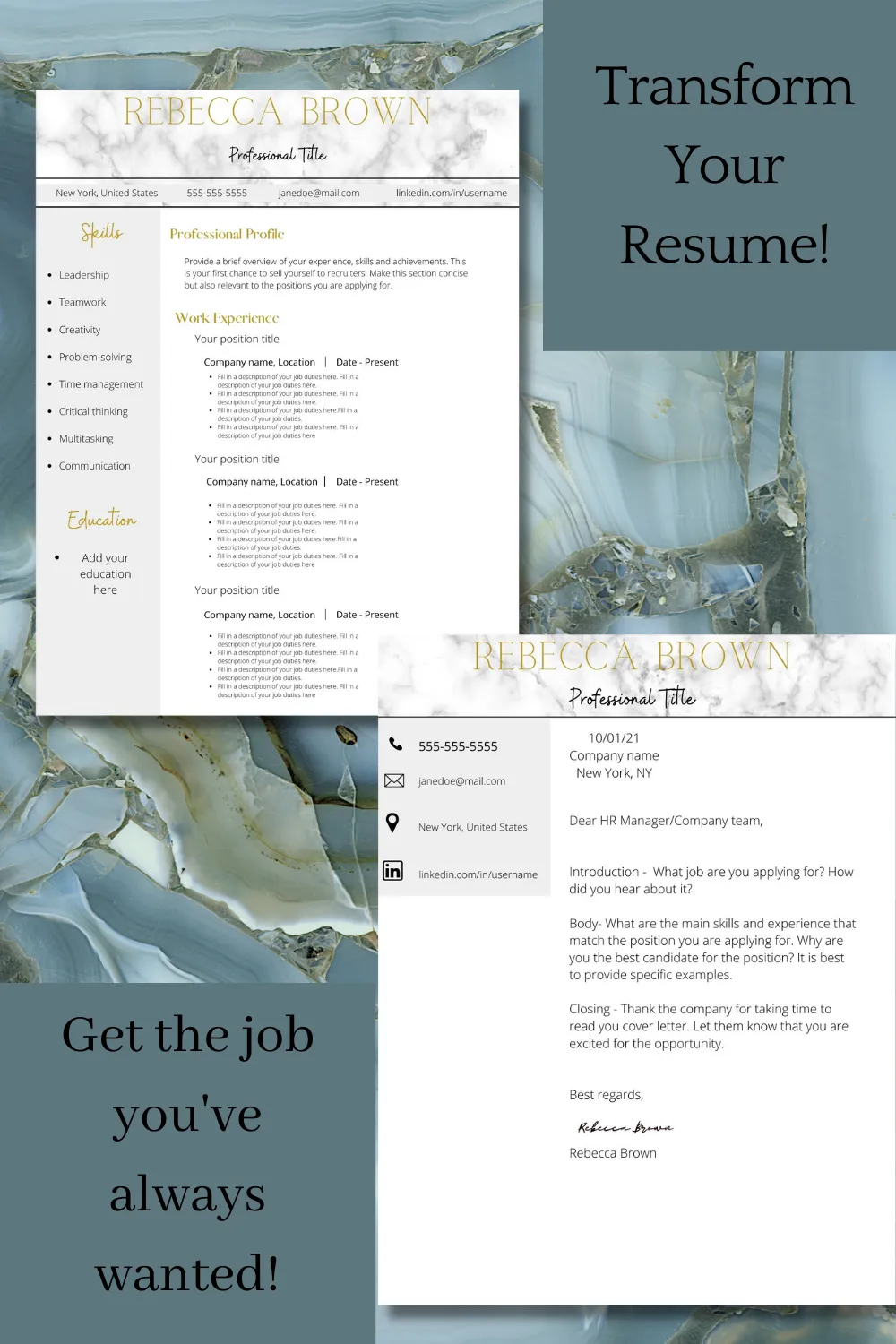
What to Include on a Resume Cover Letter
A well-crafted cover letter is your chance to make a strong first impression and set yourself apart from other candidates. It provides an opportunity to elaborate on your resume, showcasing your personality, enthusiasm, and qualifications in a way that a resume alone cannot. It’s more than just a formality; it’s a critical tool in your job application arsenal. A cover letter is a bridge between your resume and the hiring manager, offering a glimpse into your professional narrative and highlighting your suitability for the role. It’s a chance to explain why you’re the perfect fit, demonstrating not only what you’ve done but also how you can contribute to the company’s success.
Contact Information and Header
Your Name and Contact Details

Start with your full name, address, phone number, and email address. This is the standard way to introduce yourself. Ensure your email address is professional; consider creating a new one if your current one is informal or outdated. Your contact information should be easy to find and clearly displayed at the top of your cover letter. Make sure it matches the contact information on your resume. This ensures that the hiring manager can easily reach you if they are interested in your application. Accuracy here is paramount; a single typo could mean a missed opportunity.
Date and Recipient’s Information
Include the date you’re sending the cover letter, followed by the hiring manager’s name (if known), their title, and the company’s address. Research the hiring manager’s name to personalize your letter, but if you can’t find it, use a general title like ‘Hiring Manager.’ Formatting this section correctly shows attention to detail and professionalism. Always double-check the company’s address to avoid sending your letter to the wrong location. This information is crucial for a formal and professional presentation and provides the necessary context for your application.
Professional Greeting
Addressing the Hiring Manager

The greeting sets the tone of your cover letter. If you know the hiring manager’s name, use ‘Dear Mr./Ms./Mx. [Last Name]’. Personalization immediately grabs the reader’s attention and shows that you’ve taken the time to research the company and the role. If the name is unavailable, use a professional salutation like ‘Dear Hiring Manager’. It demonstrates respect and courtesy. Ensure you spell the name correctly; incorrect spelling is a common mistake that can leave a negative impression. Always address the letter to a specific person, if possible, to show your genuine interest in the role.
Avoid Generic Greetings
Avoid generic greetings like ‘To Whom It May Concern’ or ‘Dear Sir/Madam’. These phrases are impersonal and suggest you haven’t put in the effort to research the company or role. They fail to make a personal connection and can make your application seem less compelling. Instead, always aim to find the name of the hiring manager or use a title-based greeting. The best cover letters feel tailored to a specific person, and a generic greeting suggests that you might be sending the same letter to multiple employers, reducing your chances of getting noticed.
Opening Paragraph
Expressing Interest and Purpose

The opening paragraph should immediately state the position you’re applying for and how you found the opportunity. Clearly express your enthusiasm for the role and the company. Mentioning where you saw the job posting (e.g., LinkedIn, company website, referral) helps the hiring manager understand how you learned about the position. Keep it concise and focused; the goal is to grab the reader’s attention quickly. Make your introduction compelling and highlight your understanding of the company’s needs. A strong opening sets the stage for the rest of the cover letter and makes the reader want to continue reading.
Mentioning the Specific Job
Be explicit about the job title you are applying for. This ensures the hiring manager knows exactly which role you are interested in. Referencing the specific job title immediately grounds your application and shows you are targeting a particular position. Avoid vague statements; the more specific you are, the clearer your intentions. If the job has a reference number, include it for further clarity. This precision minimizes any confusion and makes your application easier to process, demonstrating your attention to detail.
Highlighting Relevant Skills and Experiences
Tailoring to the Job Description

Carefully analyze the job description and identify the key skills and qualifications the employer is seeking. Tailor your cover letter to emphasize these requirements, providing specific examples of how your experience aligns with their needs. This demonstrates that you’ve thoroughly read the job description and understand the role. Use the same keywords and phrases from the job description, where appropriate, to show you are a good fit. Highlight the skills and experiences that directly relate to the job, making it easy for the hiring manager to see your qualifications at a glance. This targeted approach increases your chances of being selected for an interview.
Showcasing Achievements
Don’t just list your responsibilities; highlight your achievements. Quantify your accomplishments whenever possible by using numbers and data to show the impact of your work. For example, mention increased sales by a certain percentage or reduced costs by a specific amount. These quantifiable achievements make your claims more credible and demonstrate your value to the company. Providing concrete examples of your successes proves your capabilities and highlights your ability to deliver results. This section should focus on what you’ve accomplished in previous roles and how you can bring that success to the new position.
Using Action Verbs
Use strong action verbs to describe your responsibilities and accomplishments. Start each bullet point or sentence with action verbs like ‘managed,’ ’led,’ ‘developed,’ ‘achieved,’ ‘implemented,’ or ‘created.’ Action verbs bring your cover letter to life and make it more engaging and dynamic. This active language conveys confidence and shows that you are a proactive and results-oriented individual. Action verbs transform passive statements into compelling narratives that showcase your contributions and accomplishments. Incorporate action verbs throughout your cover letter to create a powerful and memorable impression on the reader.
Quantifying Accomplishments

Use numbers and data to quantify your accomplishments. This adds credibility to your claims and makes your achievements more impactful. For example, instead of saying ‘improved customer satisfaction,’ say ‘improved customer satisfaction by 15%.’ Similarly, instead of saying ‘managed a team,’ say ‘managed a team of 10 employees.’ Quantifying your accomplishments helps the hiring manager quickly understand the scope and impact of your work. Numbers provide concrete evidence of your abilities, making your application more compelling and memorable. Use this strategy to demonstrate the value you brought to previous roles and the potential value you can bring to the new position.
Explaining Skills and Experience
Matching the Resume
Your cover letter should complement your resume, not duplicate it. Use the cover letter to expand on the most relevant aspects of your experience and skills. Provide context for your achievements and explain how your experience aligns with the job requirements. The resume provides the details; the cover letter tells the story. Don’t simply reiterate what is on your resume; instead, provide additional details that highlight your qualifications. The cover letter offers an opportunity to explain gaps in your employment history or any other relevant context that might benefit your application.
Adding Value

Explain why you are the best candidate for the job and what unique value you can bring to the company. Highlight your specific skills, knowledge, and experiences that make you stand out from other applicants. Clearly articulate how you can contribute to the company’s goals and provide examples of past successes that demonstrate your capabilities. Show the hiring manager why they should choose you by explaining your value proposition. Your goal is to convince them that you are not only qualified but also a great fit for the company culture. Address how your skills align with the company’s goals and mission.
Closing Paragraph
Expressing Gratitude and Next Steps
Thank the hiring manager for their time and consideration. Reiterate your interest in the position and express your eagerness to discuss your qualifications further in an interview. Include a call to action, such as ‘I look forward to hearing from you soon’ or ‘I am available for an interview at your earliest convenience.’ This shows enthusiasm and a proactive approach. The closing should be professional and leave a positive impression. The goal is to end on a high note, reinforcing your interest in the role and encouraging the hiring manager to contact you.
Using a Professional Closing

End your cover letter with a professional closing, such as ‘Sincerely,’ ‘Best regards,’ or ‘Yours sincerely.’ Avoid casual closings. Sign your name if you are printing the letter. Ensure the closing matches the tone of the rest of your cover letter and reflects your respect for the hiring manager. Use the same font and formatting throughout the entire document. This final touch reinforces the professional presentation of your application. Maintain a formal and respectful tone throughout the entire document to create a strong, professional impression.
Proofreading and Formatting
Checking for Errors
Carefully proofread your cover letter for any grammatical errors, spelling mistakes, or typos. Errors can undermine your credibility and make a negative impression. Always use a spell checker, but also read the letter carefully yourself, as spell checkers won’t catch all errors. Have someone else review your cover letter for a fresh perspective. Proofreading is essential; even minor errors can significantly impact the hiring manager’s perception of your professionalism. Ensuring your cover letter is flawless is crucial to demonstrate your attention to detail and your respect for the position.
Formatting for Readability
Use a clear and readable font, such as Times New Roman, Arial, or Calibri, with a font size between 10 and 12 points. Keep your cover letter concise and easy to read, using clear and concise language. Use appropriate spacing, bullet points, and paragraphs to break up the text and make it visually appealing. A well-formatted cover letter is easier to read and more likely to hold the reader’s attention. Avoid using excessive formatting or overly stylized fonts. Proper formatting demonstrates your professionalism and makes your cover letter more accessible and engaging.