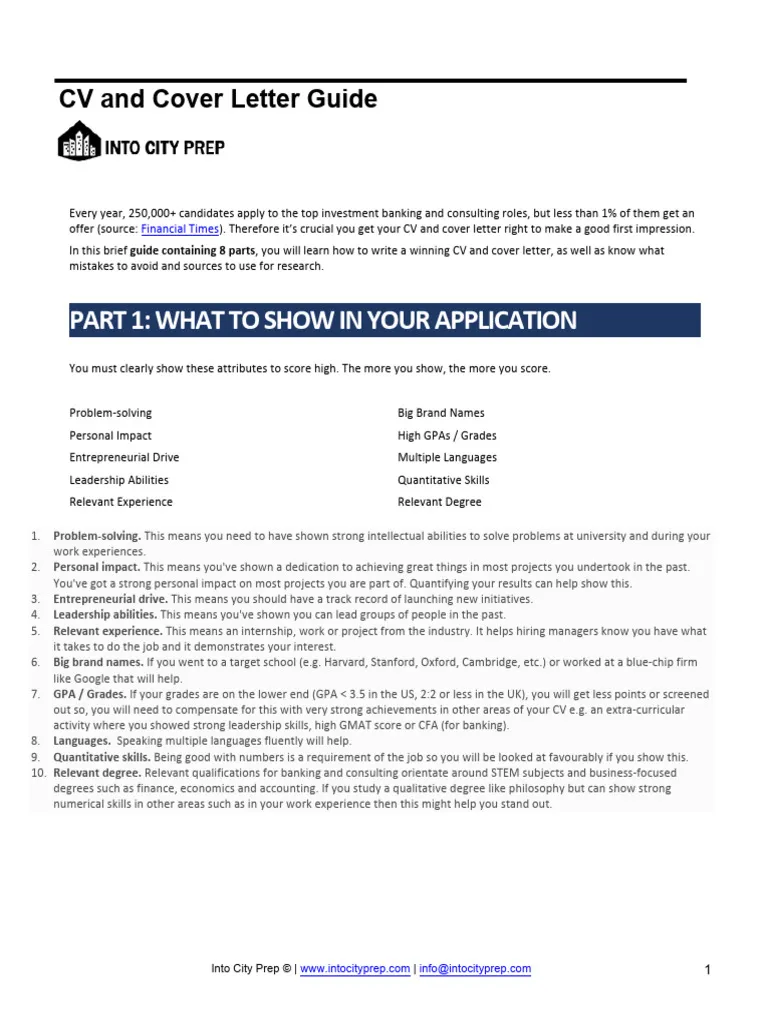
Cover Letter CV What is a Cover Letter and CV?
The job application process can often feel like navigating a maze, and at the heart of this maze lie two crucial documents the cover letter and the Curriculum Vitae (CV) or resume. These documents serve as your initial introduction to a potential employer, offering a snapshot of your skills, experience, and aspirations. Understanding what each document is and why it is important is the first step towards a successful job application. The cover letter is a personalized introduction, while the CV or resume provides a detailed overview of your professional journey.
The Purpose of Each Document
The cover letter’s primary purpose is to express your interest in a specific job and to highlight why you are a good fit for the role. It’s your chance to connect with the hiring manager on a personal level, demonstrating your enthusiasm and explaining how your skills align with the company’s needs. The CV or resume, on the other hand, is a comprehensive summary of your professional and academic history. It details your education, work experience, skills, and accomplishments. Its purpose is to provide a clear, concise, and easily digestible overview of your qualifications, allowing employers to quickly assess your suitability for a position. Think of the cover letter as your persuasive opening statement and the CV as your detailed portfolio.
Cover Letter CV Strategy 1 Tailoring Your Documents

One of the most important strategies for creating effective cover letters and CVs is tailoring them to each specific job application. Generic applications often end up in the digital trash, while those that demonstrate genuine interest and understanding of the role stand out. Tailoring involves customizing both your cover letter and CV to reflect the requirements of the job and the values of the company. It’s about showing that you’ve done your research and understand the specific needs of the employer.
Understanding the Importance of Customization
Customization is not merely about changing a few words here and there. It involves a deep understanding of the job description and the company culture. Carefully read the job description and identify the key skills and experiences the employer is looking for. Then, modify your cover letter to directly address these requirements, providing specific examples of how your skills and experiences align with the job. Review the company’s website, social media profiles, and any other available resources to understand its values and goals. This will allow you to tailor your language and tone to match the company’s culture, making your application more likely to resonate with the hiring manager. The more you customize, the better you demonstrate your sincere interest.
Cover Letter CV Highlighting Relevant Skills and Experience
Your CV is a story, and the most compelling stories highlight relevant skills and experiences. The key to this strategy is to focus on the skills and experiences that are most relevant to the job you are applying for. This requires carefully analyzing the job description to identify the key requirements and then showcasing your abilities that match those requirements. This could include technical skills, soft skills (like communication and teamwork), or specific experience in a particular industry. The goal is to make it easy for the employer to see how your skills and experience align with the job’s needs, making you a strong candidate.
Focus on Key Skills

Identify the key skills that the employer is looking for, often listed in the job description. Organize your CV to highlight these skills prominently. If the job description emphasizes project management, for example, ensure that your CV includes a dedicated section or bullet points detailing your project management experience. Provide specific examples of how you have used these skills in previous roles, quantifying your achievements whenever possible. For example, instead of saying, managed projects, you might say, Managed 5 projects, delivering them on time and within budget, resulting in a 15% increase in efficiency. Tailor your cover letter to further emphasize the relevant skills, providing additional context and demonstrating your enthusiasm for applying them in the new role. By focusing on key skills, you create a targeted and compelling narrative that speaks directly to the employer’s needs.
Cover Letter CV Strategy 2 Showcasing Achievements
Listing your responsibilities is not enough. Employers want to know what you achieved in your previous roles. This is where showcasing your achievements becomes critical. This strategy focuses on quantifying your accomplishments and demonstrating the value you brought to your previous employers. Use action verbs to describe your accomplishments and provide specific examples to support your claims. This turns your CV from a list of duties into a compelling narrative of success.
Quantifying Your Accomplishments
Whenever possible, quantify your achievements with numbers, percentages, and other metrics. This provides concrete evidence of your impact and makes your accomplishments more credible. Instead of saying, improved customer satisfaction, say, Increased customer satisfaction by 20% through implementing a new feedback system. If you managed a budget, state the size of the budget and any savings you achieved. If you led a team, mention the number of team members and any specific achievements, such as successful project completion or exceeding sales targets. Quantifying your accomplishments makes it easier for employers to understand the value you can bring to their organization. The more specific you are, the more impressive your achievements will be.
Cover Letter CV Strategy 3 Following Formatting and Structure Guidelines

A well-formatted CV is easy to read and allows employers to quickly find the information they need. Clear formatting and structure make your CV more accessible and ensure that your key qualifications are easily visible. This strategy involves paying attention to the layout, font choices, and overall organization of your documents. A poorly formatted CV can create a negative first impression, while a well-structured one demonstrates professionalism and attention to detail.
Cover Letter CV Formatting Tips
Use a clean, professional font such as Arial, Calibri, or Times New Roman. Ensure your font size is readable (typically 10-12 points). Use clear headings and subheadings to organize your information. The headings should be consistently formatted and easy to identify. Use bullet points to list your skills and accomplishments. This makes the information easier to scan. Keep the layout uncluttered, with ample white space. Avoid overcrowding your CV with too much text. Align the text consistently, and use bolding and italics sparingly, primarily for emphasis. The structure of your CV should follow a logical order, typically starting with your contact information, followed by a summary or objective statement, your work experience, education, and skills. Be consistent with your formatting throughout the entire document.
Cover Letter CV Strategy 4 Proofreading and Editing
Typos and grammatical errors can undermine your credibility, no matter how strong your qualifications are. Proofreading and editing are essential steps in preparing your cover letter and CV. This strategy focuses on eliminating errors in grammar, spelling, punctuation, and formatting to create a polished and professional document. Even a single mistake can make a negative impression on a potential employer. This process involves careful review and attention to detail.
Checking for Errors

Carefully read through your cover letter and CV multiple times. It is often helpful to read it aloud, as this can help you catch errors you might miss when reading silently. Use a spell checker and grammar checker, but do not rely on them entirely. They can miss subtle errors or context-related issues. Ask a friend, family member, or career counselor to review your documents. A fresh pair of eyes can often catch errors that you might have overlooked. Pay close attention to details like the correct use of commas, proper sentence structure, and consistent formatting. Check for consistency in your language and style throughout the documents.
Cover Letter CV Strategy 5 Keyword Optimization
Many companies use Applicant Tracking Systems (ATS) to screen resumes, and if your CV doesn’t contain the right keywords, it might not even be seen by a human. Keyword optimization involves using relevant keywords throughout your CV to ensure that it is easily searchable by ATS. This strategy is crucial for increasing the visibility of your application and ensuring that it reaches the hiring manager.
Using Keywords Effectively
Carefully review the job description and identify the keywords and phrases used to describe the required skills and experience. Incorporate these keywords naturally into your CV, particularly in your skills section, work experience descriptions, and summary or objective statement. Use a variety of keywords to reflect the range of your skills and experience. Avoid keyword stuffing, which involves overusing keywords in an unnatural way. This can make your CV appear unprofessional and may be detected by ATS. Use variations of keywords. For example, if the job description mentions project management, also include related terms like project planning, project execution, and project leadership. Optimize your cover letter with similar keywords. This further emphasizes your relevance to the job.