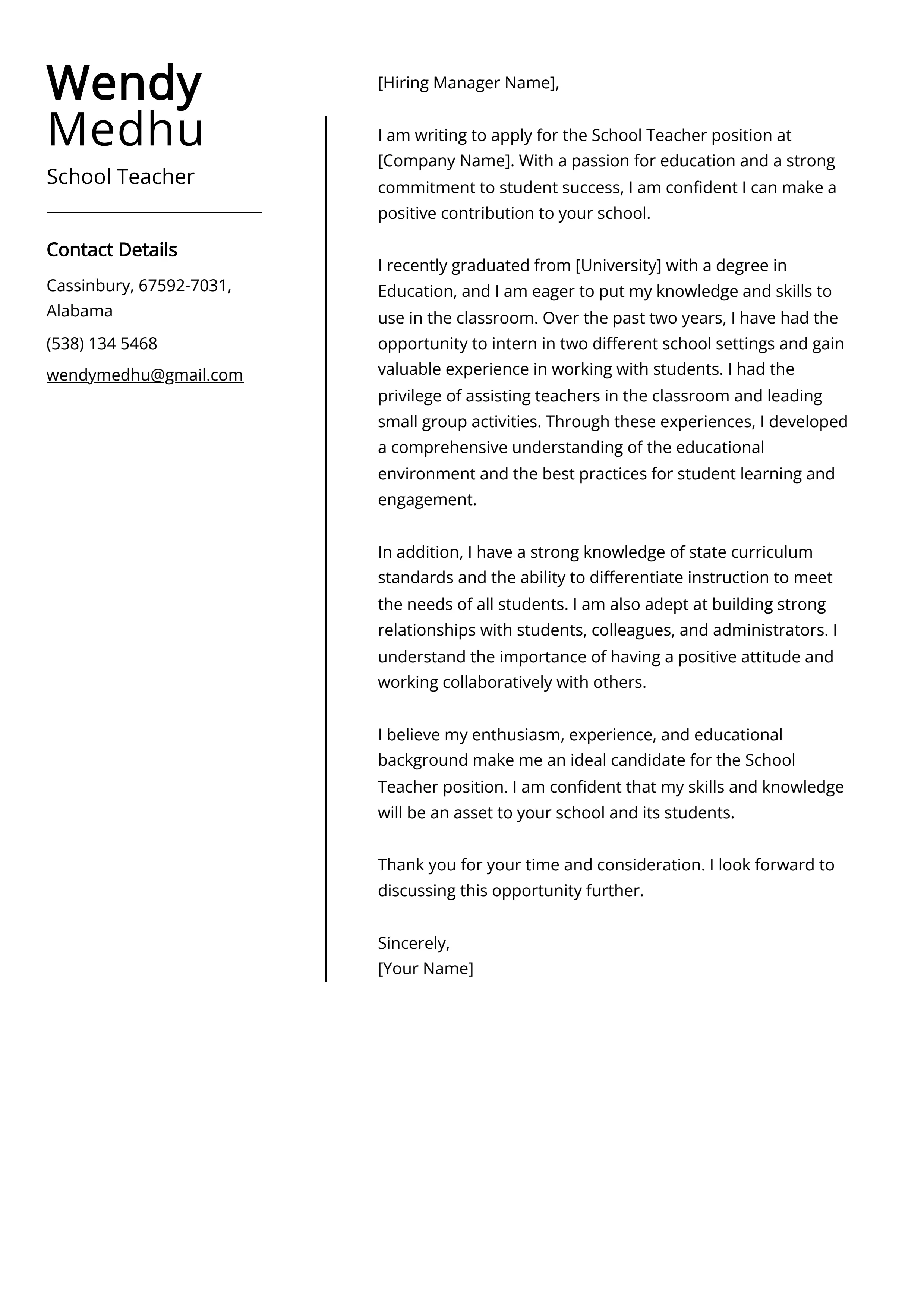
7 Secrets to a Successful Cover Letter
Crafting a compelling cover letter is crucial for making a positive first impression on any school admissions committee. It’s your opportunity to go beyond the basic information in your application and demonstrate your personality, passion, and suitability for their institution. This guide will reveal seven key secrets to help you write a cover letter that will not only get you noticed but also significantly boost your chances of acceptance. By following these principles, you’ll be well on your way to creating a cover letter that highlights your strengths, showcases your enthusiasm, and ultimately, opens the door to your educational dreams. Remember, the cover letter is your voice; make it count.
Highlight Your Strengths
Your cover letter should serve as a strategic platform to spotlight your key strengths. These could be academic accomplishments, leadership experiences, or unique skills that set you apart from other applicants. Instead of simply listing these strengths, provide specific examples that illustrate how you’ve utilized them and the positive outcomes achieved. This approach moves beyond generic statements and provides tangible evidence of your capabilities. By focusing on what makes you exceptional, you create a narrative that captivates the reader and makes a memorable impact.
Showcase Academic Achievements

Detailing your academic achievements is essential. Mention any awards, honors, or significant projects that you’ve completed. Quantify your accomplishments whenever possible by using specific data to illustrate your success. For example, mention your GPA, class rank, or any research projects you participated in. Showcasing your academic abilities will help demonstrate your dedication and your capacity to handle rigorous coursework.
Emphasize Relevant Skills
Highlight any skills that align with the school’s specific requirements or values. Whether it’s teamwork, communication, or analytical thinking, show how your skills match what the school seeks in its students. Consider any skills relevant to the program you are applying for. Provide specific examples to demonstrate how you’ve applied these skills in real-world situations. Use the language from the program’s or school’s mission statement to show you understand what they value.
Demonstrate Passion and Enthusiasm
A cover letter is the perfect place to show your passion for the subject and express your enthusiasm for attending the school. Your excitement should be contagious. Write with energy and show genuine interest in the academic programs, research opportunities, and campus culture. Let your personality shine through and connect your goals to the school’s mission and values.
Express Your Interest in the School

Go beyond generic statements about your goals. Discuss specific aspects of the school that appeal to you. Mention faculty whose research interests you, programs that excite you, and opportunities that you want to pursue. This level of detail demonstrates your genuine interest in the institution and increases the likelihood of the admissions committee viewing you as a well-suited candidate.
Research the School Thoroughly
Before writing your cover letter, do extensive research on the school’s values, mission, and programs. Review the faculty profiles, read student blogs, and browse the school’s website. Incorporate specific information to demonstrate your understanding of the school and your ability to contribute to its community. Use your research to show how your goals align with the school’s offerings. This showcases your genuine interest and initiative.
Tailor Your Letter to Each Application
One of the most common mistakes is sending a generic cover letter. Every school is unique. Therefore, your cover letter should be customized to match each school’s specific values, requirements, and expectations. Generic cover letters are often easy to spot and can hinder your chances of admission. Tailoring your letter shows that you’ve taken the time and effort to understand the school’s unique qualities and what makes you a good fit.
Personalize Your Content

Personalize your cover letter by addressing the specific needs and expectations of each school. Mention specific programs, faculty members, or courses that appeal to you. Tailor the tone and content to align with the school’s culture and your specific goals. This personalization will make the admissions committee notice that you took the time to apply specifically to their institution. Generic letters often fail to make this critical connection.
Use a Professional Tone
Maintain a professional and respectful tone throughout your cover letter. Avoid informal language, slang, or overly casual expressions. The tone sets the right impression on the admissions committee and showcases your maturity and readiness for higher education. Your language should be polished, and the style must reflect an understanding of the formal context.
Maintain a Clear and Concise Writing Style
Ensure your writing is clear, concise, and easy to understand. Avoid using complex sentence structures or jargon that might confuse the reader. Your goal is to convey your message effectively and quickly. Be direct, and get to the point while maintaining a tone that is appropriate for a professional document.
Proofread and Edit Meticulously

Proofreading and editing are essential steps in the cover letter writing process. Errors can undermine your credibility and leave a negative impression. Take your time to review the letter thoroughly before submitting it. A well-edited letter shows your attention to detail and respect for the admissions committee.
Check for Grammar and Spelling Errors
Carefully check your cover letter for grammar and spelling errors. These mistakes can significantly detract from your message. Use a grammar checker and spell checker, and be prepared to read your work aloud to catch errors. A clean and well-edited document shows professionalism.
Get Feedback from Others
Have someone else review your cover letter. Fresh eyes can catch errors that you might miss. Ask teachers, counselors, or trusted friends to review your cover letter for clarity, content, and overall impression. Feedback will help you improve your cover letter and boost your chance of acceptance.
Follow Instructions Carefully

Pay close attention to the school’s application guidelines. Your cover letter must meet the specific requirements of the school. Follow all instructions about formatting, word limits, and submission methods. Not adhering to instructions can result in your application being rejected.
Adhere to Application Guidelines
Carefully review the school’s application guidelines for the cover letter. Follow all instructions about formatting, length, and required content. Missing a key requirement could negatively impact your application. Make sure you include all the required documents, and submit the cover letter in the format requested by the school.
Meet Submission Deadlines
Make sure to submit your cover letter on time. Late submissions often aren’t considered. Create a timeline for completing your application, and submit your cover letter well before the deadline to avoid last-minute issues. Late submissions give the impression that you are not organized or that you don’t value the opportunity.
In conclusion, writing a successful cover letter for school requires careful planning, thorough preparation, and attention to detail. By focusing on these seven secrets, you can create a compelling cover letter that showcases your strengths, demonstrates your passion, and ultimately, helps you stand out from the competition. Remember to be authentic, highlight your unique qualities, and tailor each letter to the specific school you are applying to. Good luck with your application.