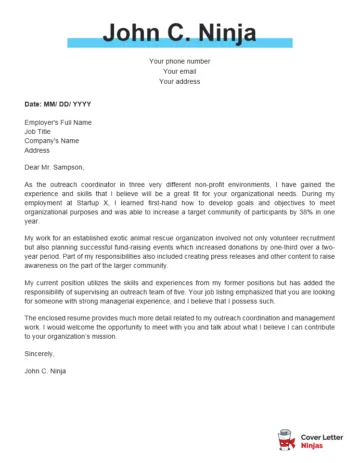
Community Coordinator Cover Letter How-To
A Community Coordinator Cover Letter is a crucial document when applying for positions in community engagement, outreach, and related fields. It serves as your initial introduction to a potential employer, allowing you to showcase your skills, experiences, and passion for community work. A well-crafted cover letter can significantly increase your chances of getting an interview. This comprehensive guide will walk you through every step of creating a standout cover letter, from understanding its importance to avoiding common pitfalls. By following these guidelines, you’ll be well-equipped to make a strong first impression and land your dream job as a Community Coordinator. Remember that the goal is to present yourself as the ideal candidate for the role by highlighting your relevant qualifications and enthusiasm.
Understanding the Importance of a Cover Letter
The cover letter is more than just a formality; it’s your chance to tell a story, make a connection, and stand out from other applicants. While your resume provides a concise overview of your qualifications, your cover letter allows you to elaborate on specific experiences, explain your motivations, and demonstrate your understanding of the role and the organization. It provides an opportunity to address any gaps in your resume or highlight specific achievements that align with the job requirements. A strong cover letter shows that you’ve put in the effort to understand the position and the company, which demonstrates your genuine interest and commitment. In the competitive job market, a well-written cover letter can be the deciding factor that gets you noticed by the hiring manager, setting you apart from other qualified candidates.
Key Components of a Community Coordinator Cover Letter

A compelling Community Coordinator Cover Letter is made up of several key elements. Each component serves a specific purpose and contributes to the overall impact of your application. By carefully crafting each section, you can create a cohesive and persuasive document that showcases your suitability for the role. The following sections are crucial for a successful cover letter. Make sure to address each of these to ensure that your cover letter is complete and professional. This will help convey your skills, experience, and enthusiasm effectively.
Contact Information and Header
Start with your contact information in the header, including your full name, phone number, email address, and optionally, your LinkedIn profile URL. This ensures the hiring manager can easily reach you. The header should be clean and professional, making it easy to read. Also include the date and the hiring manager’s name and title, if known. If you are unsure of the hiring manager’s name, research the company website or LinkedIn to find out. Using a personalized approach can make your cover letter stand out from the crowd. Ensure that all the information in the header is accurate and up-to-date to avoid any communication issues.
Addressing the Hiring Manager
Always address the hiring manager by name, if possible. This shows that you’ve done your research and that you’re genuinely interested in the position. If you can’t find the hiring manager’s name, use a professional greeting like “Dear Hiring Manager.” Avoid generic greetings like “To Whom It May Concern,” as these can make your letter seem impersonal. Research the hiring manager on LinkedIn or the company website to find their name and title. This shows that you take your job applications seriously and are prepared to make an impression.
Crafting a Compelling Opening

The opening paragraph should grab the reader’s attention and clearly state the position you’re applying for and where you found the job posting. Briefly mention why you’re interested in the role and the organization. Highlight one or two key skills or experiences that make you a strong candidate. Use this space to create a strong first impression. The goal of the opening is to encourage the reader to keep reading. Your opening should clearly and concisely state your purpose for writing the cover letter. It is very important to make sure that your opening is tailored to the specific job.
Highlighting Relevant Skills and Experience
The main body of your cover letter should highlight your relevant skills and experience. Tailor your examples to match the job description, emphasizing the skills and experiences most valued by the employer. Use the STAR method (Situation, Task, Action, Result) to describe your accomplishments. Quantify your achievements whenever possible to demonstrate your impact. Provide specific examples of how you’ve successfully managed community projects, engaged stakeholders, or resolved conflicts. This is where you highlight your key skills, such as communication, organization, and project management, and how you have utilized them in a community setting.
Showcasing Community Engagement Experience
Community Coordinator roles often require a strong background in community engagement. Showcase your experience in building relationships with community members, organizing events, and managing outreach programs. Describe any volunteer work, internships, or previous jobs where you worked directly with community groups. Provide specific examples of how you have successfully engaged with diverse groups. Highlight any experience you have with fundraising, grant writing, or volunteer coordination. Tailor your experiences to the specific requirements of the job to show a clear understanding of the community’s needs.
Quantifying Achievements with Data

Whenever possible, quantify your achievements with data. For example, instead of saying “Increased event attendance,” say “Increased event attendance by 20% through targeted marketing campaigns.” Use numbers to demonstrate the impact of your work and show the value you brought to previous roles. Use specific metrics to showcase your success in previous roles. This helps the hiring manager understand the scope and success of your efforts. If you have increased the number of volunteers or reduced project costs, providing those metrics provides concrete evidence of your accomplishments.
Demonstrating Passion and Enthusiasm
Express your genuine passion for community work and explain why you’re interested in the specific organization and role. Share what excites you about the organization’s mission. Show your enthusiasm for working with the community and making a positive impact. Make it clear that you’re not just looking for a job, but that you are committed to the organization’s mission. Explain why you want to contribute to this specific community. Show that your values align with the organization’s values.
Closing the Letter Effectively
The closing paragraph should reiterate your interest in the position and thank the hiring manager for their time and consideration. Restate your enthusiasm for the opportunity and offer to provide any additional information or documentation they may require. End with a professional closing, such as “Sincerely” or “Best regards,” followed by your full name. Make sure your contact information is readily accessible. Leave a positive and lasting impression that encourages the hiring manager to want to learn more about you.
Expressing Gratitude and Next Steps

Thank the hiring manager for considering your application. Include a statement that you look forward to hearing from them and are available for an interview. Provide a direct call to action, like “I am eager to discuss how my skills and experiences can contribute to your team.” Offer to provide any additional information. This shows your professionalism and eagerness to move forward in the hiring process. Ensure that your contact information is easily accessible for the hiring manager to reach you.
Proofreading and Formatting for Excellence
Thorough proofreading is essential. Carefully review your cover letter for any grammatical errors, typos, and formatting inconsistencies. Use spell-check and grammar-check tools, but don’t rely on them entirely; have a friend or colleague review your letter as well. Ensure that the formatting is clean and professional. Use a readable font like Arial or Times New Roman, with a font size between 10 and 12 points. Use single-spacing and add a space between each paragraph. Maintain consistent margins and spacing throughout the document. Ensure that the cover letter looks polished and error-free.
Tips for Tailoring Your Cover Letter
Customize each cover letter for the specific job and organization. Use the job description as a guide to identify the key skills and experiences the employer is seeking. Highlight the relevant skills and experience from your background. Show how your qualifications match the job requirements. Do your research on the organization and mention specific projects or initiatives that resonate with you. Tailoring your cover letter makes you stand out from the crowd. Avoid sending generic letters and demonstrate a genuine interest in the role.
Researching the Organization

Before you start writing, research the organization. Visit their website, read their mission statement, and familiarize yourself with their work and values. Understand their goals and current projects. Tailor your cover letter to show how your skills and experiences align with the organization’s mission. Demonstrate a clear understanding of the organization’s mission and values. This will show the hiring manager that you’ve put in the effort to learn about the company.
Matching Skills to Job Requirements
Carefully review the job description and identify the key skills and experiences the employer is looking for. Highlight the skills and experiences from your background that align with these requirements. Use keywords from the job description in your cover letter to ensure that your application gets noticed. Provide specific examples of how you’ve demonstrated these skills in past roles. This helps you create a tailored letter that addresses the job requirements.
Common Mistakes to Avoid
Avoiding common mistakes can significantly increase the effectiveness of your cover letter. Make sure to avoid these common errors to create a strong and professional cover letter. Proofread your letter to avoid any errors before sending it out.
Overusing Generic Language

Avoid using generic phrases that could apply to any job. Instead, use specific examples and details to demonstrate your skills and accomplishments. Avoid phrases like “I am a team player” without providing concrete examples. Use action verbs and quantify your achievements to make your letter more impactful and engaging. Provide specific examples that will clearly describe your relevant experience.
Focusing Solely on Responsibilities
Instead of simply listing your responsibilities, focus on your accomplishments and the results you achieved. Provide examples of how you’ve made a positive impact in previous roles. Describe your contributions and achievements. Hiring managers are more interested in what you achieved than what your job responsibilities were. Use the STAR method to show the outcomes of your work.
Neglecting Proofreading
Always proofread your cover letter for any grammatical errors, typos, and formatting inconsistencies. Errors can create a negative impression and may lead to your application being rejected. Use spell-check and grammar-check tools, and have a friend or colleague review your letter before submitting it. Ensure that your cover letter is polished and professional. It is a crucial step to impress the hiring manager and demonstrate that you are attentive to detail.
Cover Letter Examples and Templates
Use cover letter examples and templates as a starting point, but always customize them to fit your specific situation and the job requirements. Tailor your cover letter to show how your qualifications match the job requirements. Make sure the templates align with the role you are applying for. Adapt the examples to showcase your specific skills. Many online resources offer cover letter templates and examples. Modify the templates to meet the needs of the particular job you are applying for.