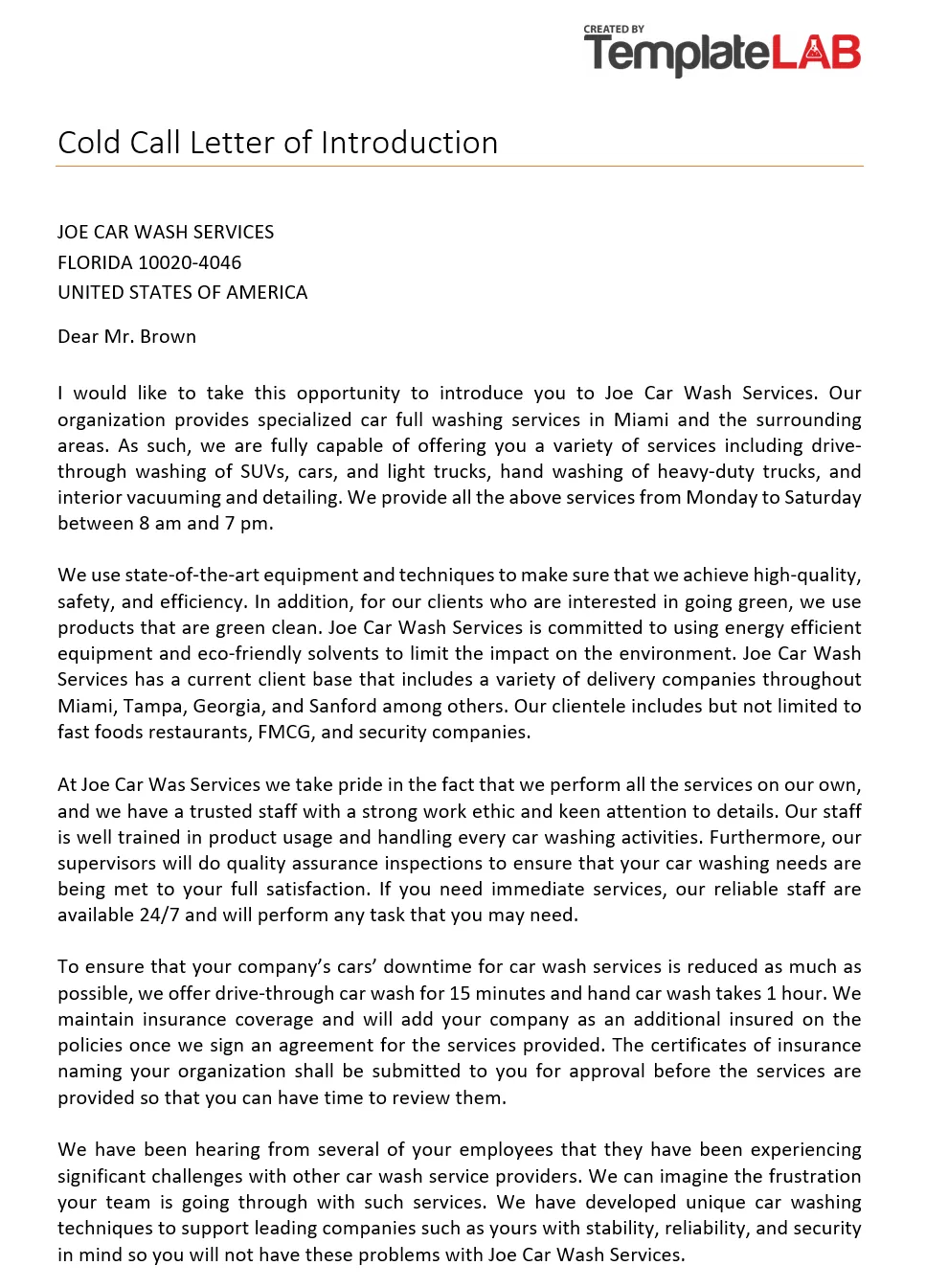
Why a Cold Call Cover Letter Matters
In the fast-paced world of sales and business development, making a strong initial impression is paramount. A well-crafted cold call cover letter serves as a crucial first point of contact, significantly increasing your chances of a positive response. Think of it as your professional introduction, an opportunity to present your value proposition before you even make the call. This initial touchpoint allows you to showcase your expertise and demonstrate that you’ve researched the prospect’s needs. A compelling cover letter sets the stage for a more receptive conversation, making your cold call more effective. It’s your chance to highlight the benefits you offer and the solutions you provide, which can differentiate you from the competition.
Crafting a Compelling Opening
The opening of your cold call cover letter is your opportunity to immediately capture the reader’s attention. Avoid generic greetings and address the letter to a specific person. Begin with a strong hook that highlights a problem or opportunity relevant to their business. This could be a reference to a recent industry trend or a specific challenge you know they face. Keep your opening concise, focusing on what you can offer them. A personalized opening shows that you’ve done your homework and are not simply sending a mass email. This level of customization makes the recipient more likely to consider your offer. Ensure your opening demonstrates an understanding of their business or industry and creates a reason for them to continue reading.
Highlighting Your Value Proposition

Once you’ve captured their attention, it’s crucial to clearly articulate your value proposition. What benefits can you offer? What problems can you solve? Focus on how you can help them achieve their goals, whether that’s increasing revenue, reducing costs, or improving efficiency. Provide concrete examples and data points to support your claims. Include testimonials, case studies, or statistics that illustrate your past successes. Use strong, action-oriented language to highlight the positive outcomes they can expect. This section is where you distinguish yourself from competitors by showcasing your unique offerings and your ability to meet their specific needs.
Researching the Prospect and Tailoring Your Letter
A generic cold call cover letter will be quickly dismissed. Thoroughly research your prospect before writing your letter. Use LinkedIn, company websites, and industry publications to understand their business, challenges, and recent developments. This research lets you tailor your letter to their specific needs, demonstrating a genuine interest in their success. Mentioning something specific about their company, such as a recent project or a new product launch, shows that you’ve invested the time to learn about them. This personalization increases the likelihood that your letter will resonate. Tailoring your letter means aligning your value proposition with their specific pain points and goals. If you know they are facing a particular issue, focus your letter on how you can help resolve it.
Demonstrating Knowledge of Their Needs
Demonstrate your understanding of their needs to build credibility and rapport. Show that you’ve identified their key challenges and explain how you can help. Reference industry trends, common pain points, or specific issues you know they are facing. If you’ve worked with similar clients, mention how you’ve helped them overcome comparable challenges. This demonstrates your relevant experience and insights. Frame your understanding as a potential solution to a problem they might not know they have. Back up your claims with data, case studies, or testimonials to support your ability to meet their needs. This approach positions you as a valuable resource, not just a salesperson.
Showcasing Relevant Skills and Experience

Use your cover letter to highlight the skills and experience most relevant to the prospect’s needs. Focus on the results you’ve achieved in previous roles, emphasizing the impact you’ve made. Use quantifiable metrics, such as increased revenue or reduced costs. Tailor this section to align with the specific needs of the prospect. If they are focused on a new market, highlight your related experience. Use keywords relevant to their industry and the solutions you offer. Show what sets you apart from other professionals. Do you have specialized knowledge or a unique approach? Don’t just list responsibilities; illustrate the results you’ve achieved and how you can replicate them for them.
Structuring Your Cold Call Cover Letter Effectively
Structure is key for readability and impact. Start with a compelling opening, followed by a brief introduction. Clearly articulate your value proposition, explaining how you can help them achieve their goals. Use concise paragraphs, bullet points, and headings to break up the text and make it easy to scan. Structure your letter so it guides the reader from identifying their needs to offering a solution. Keep it brief, generally no more than one page. Be persuasive without overwhelming the recipient. Use a professional font and proofread carefully to avoid errors. A well-structured and easy-to-read letter significantly increases the chances of your message being understood.
The Importance of a Strong Call to Action
Always include a clear and compelling call to action in your cold call cover letter. This tells the recipient what you want them to do next. Make it specific and easy to follow, such as “I’d like to schedule a call to discuss how we can help.” or “Would you be available for a brief meeting next week?”. Make it clear why they should take action. Highlight the benefits, such as gaining valuable insights or exploring a solution. Provide a specific timeframe, such as “I will follow up next week.” Include your contact information and consider a link to your calendar. Ensure your call to action is relevant to the recipient and the value proposition you’ve presented.
Proofreading and Refining Your Letter

Before sending your letter, proofread it meticulously. Typos and grammatical errors can damage your credibility. Read your letter aloud to catch awkward phrasing. Ask a colleague to review it. Ensure your letter is free of jargon. Review for conciseness; every word must have a purpose. Refine your letter until it is clear, concise, and persuasive. Create a professional document that represents you and your company well. Regularly update and refine your template to reflect your experience and the needs of your target audience.
Common Mistakes to Avoid in Cold Call Cover Letters
Avoid these common mistakes to improve your letter’s effectiveness. Avoid sending generic, mass-produced letters. Use personalization to show you understand their needs. Avoid jargon and be overly promotional. Omit a clear call to action. Proofread carefully. Make sure you address the letter to a specific person. Keep it short and relevant. Avoid negative language or focusing solely on your company. Craft a thoughtful, personalized, and well-structured letter.