What is a Career Change Cover Letter
A career change cover letter is a crucial document for anyone looking to transition to a new profession. Unlike a standard cover letter, this type specifically addresses the shift in career paths, highlighting transferable skills and explaining the rationale behind the change. It serves as an introduction to your resume, allowing you to provide context and connect your past experiences to your desired future role. Writing a compelling career change cover letter is essential because it bridges the gap between your previous career and your new aspirations, showcasing your adaptability, enthusiasm, and suitability for the target position. It’s your chance to tell a story that convinces the hiring manager to look beyond your lack of direct experience and focus on your potential.
Why is a Cover Letter Important
A well-crafted cover letter is critical in a career change for several reasons. It gives you the opportunity to address the elephant in the room why you are changing careers. It provides context and clarifies the motivations behind your career shift, helping to alleviate any concerns a hiring manager might have about your experience. Your cover letter helps you to stand out from other candidates. It provides an opportunity to showcase personality and passion, making your application more memorable. A strong cover letter often opens doors to interviews, especially if you can make a convincing case for your qualifications and suitability for the new role. It also sets the tone for the rest of the application, helping the hiring manager understand your unique background and ambitions.
Highlight Your Transferable Skills

One of the most important aspects of a career change cover letter is highlighting your transferable skills. These are the skills and competencies you’ve developed in your previous roles that are applicable to the new role you are pursuing. Identify the skills that directly relate to the job description and tailor your letter to emphasize those. For example, if you’re moving from marketing to project management, highlight skills like communication, organization, leadership, and problem-solving. Provide specific examples of how you’ve utilized these skills in the past, quantifying your achievements whenever possible. Showing how your previous experiences have prepared you for the new role is vital.
Identify Your Target Job
Before you start writing your cover letter, you need to clearly identify the target job you are applying for. This seems obvious, but a tailored cover letter is significantly more effective than a generic one. Ensure the job title, responsibilities, and requirements align with your skills and career goals. A clear target job allows you to focus your letter on the most relevant aspects of your experience. Look for jobs that match your skills, interests, and the career change you envision. It makes the application process much more focused and helps to highlight why you are a good fit.
Research the Job and Company
Once you’ve identified your target job, thoroughly research the job description and the company. Understand the specific requirements, skills, and qualifications they are seeking. Visit the company’s website, read about their mission, values, and recent news. This research will provide you with insights into their culture and priorities, allowing you to tailor your cover letter to their specific needs and demonstrate genuine interest. Your research will also give you relevant keywords and phrases to incorporate into your cover letter. It shows that you are serious and committed to the new role. Demonstrating that you’ve taken the time to understand their business proves you are a proactive candidate.
Tailor Your Cover Letter

Every cover letter you submit should be tailored to the specific job and company. Avoid using a generic template without making adjustments. Customize your letter to address the requirements and preferences of the hiring manager. This may involve highlighting the most relevant aspects of your experience, using the keywords from the job description, and explaining how your transferable skills match their needs. Tailoring demonstrates your attention to detail and your genuine interest in the role. A tailored letter proves you have taken the time to understand their requirements. The more personalized and relevant your letter is, the higher your chances of getting noticed.
Key Components of a Career Change Cover Letter
Your Header and Contact Information
Start your cover letter with a professional header that includes your name, address, phone number, and email address. Ensure the contact information is accurate and up-to-date. If you have a professional online presence, like a LinkedIn profile or a personal website, include the link in your header. Make sure your email address looks professional. The header is the first thing the hiring manager will see and should be clean and well-organized. A well-formatted header shows attention to detail and professionalism from the start.
The Opening Paragraph

The opening paragraph should immediately grab the reader’s attention. State the position you are applying for and how you found the job. Briefly explain your interest in the role and the company. In your opening paragraph, you can also briefly mention the key reason behind your career change and your enthusiasm for the new opportunity. A strong opening paragraph is important to engage the reader and set the tone for the rest of your letter. Make sure it’s concise and compelling, and immediately establishes your intent.
Highlighting Your Skills and Experience
The main body of your cover letter should focus on showcasing your transferable skills and relevant experience. Provide specific examples of how you have used these skills in the past. Use the STAR method (Situation, Task, Action, Result) to describe your accomplishments, demonstrating the impact of your contributions. Frame your experience in a way that directly aligns with the requirements of the target job, even if your previous roles weren’t directly related. Use strong action verbs to emphasize your accomplishments. Focus on your successes to make the case for your qualifications.
Addressing the Career Change
In a dedicated section, address your career change directly. Be honest and concise about the reasons behind your decision. Emphasize your enthusiasm and the specific motivations for transitioning to the new field. Provide a clear explanation of why you are making the change. Your goal here is to address potential concerns and show that you have a clear understanding of your goals. Avoid being apologetic or overly negative about your past career. Focus on the positive aspects of your change and your excitement for the new path.
Expressing Enthusiasm

Throughout your cover letter, express your genuine enthusiasm for the role and the company. Show that you are excited about the opportunity to learn and grow in your new field. Highlight specific aspects of the job or company that particularly appeal to you. Enthusiasm is contagious and makes you more appealing to the hiring manager. Expressing enthusiasm increases your chance of getting an interview. Make sure it is authentic and consistent with your overall message.
The Closing Paragraph
In the closing paragraph, summarize your key qualifications and reiterate your interest in the position. Thank the hiring manager for their time and consideration. Include a call to action, such as stating that you look forward to hearing from them or that you are available for an interview at their earliest convenience. Make sure that you provide a clear and confident closing. The closing paragraph is your last opportunity to make a positive impression.
Formatting and Design Tips
Choose a Professional Font

Select a professional and easy-to-read font, such as Times New Roman, Arial, or Calibri. Use a font size between 10 and 12 points. Ensure your cover letter is clean and well-formatted, with appropriate spacing between paragraphs and sections. Avoid using decorative or overly stylized fonts. A professional font enhances readability and shows your attention to detail. Make sure the formatting is consistent throughout the document.
Keep it Concise
Keep your cover letter concise and to the point. Aim for one page in length. Avoid unnecessary details or irrelevant information. Every sentence should contribute to your overall message and purpose. Make sure that you are concise in explaining the transition. Your primary goal is to capture the reader’s attention. A concise letter shows you respect their time and are focused on what matters.
Proofread Carefully
Proofread your cover letter multiple times for any errors in grammar, spelling, and punctuation. Errors can undermine your credibility and make you appear unprofessional. Have a friend or colleague review your letter as well, as a fresh pair of eyes can often catch mistakes you might miss. Ensure the language and tone are appropriate for the job and the company. Proofreading is essential to ensuring that your letter projects a professional image.
Career Change Cover Letter Template

Template Outline
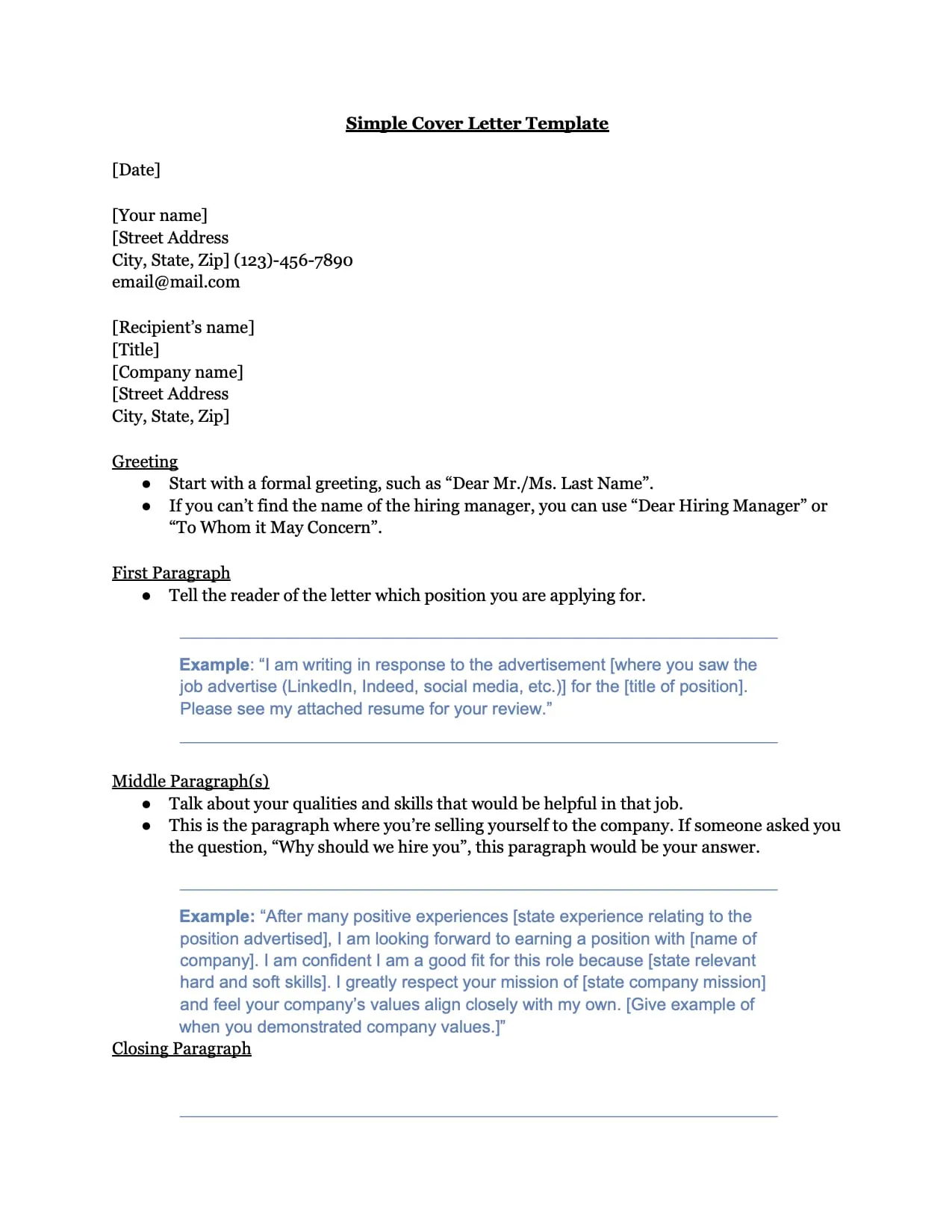
A basic cover letter template for a career change typically includes the following sections Header, Opening Paragraph, Body (Highlighting transferable skills, Addressing the career change, Explaining enthusiasm, Providing examples), and Closing Paragraph. Use this outline as a framework, but always customize the content to fit your specific circumstances. This structure is a starting point that can be modified. Modify this according to the job description and your needs.
Customizing the Template
While a template provides a good starting point, customizing the content is critical for each application. Tailor the body paragraphs to showcase the most relevant skills and experiences. Highlight specific achievements and quantify them whenever possible. Research the company, and tailor your letter. Adjust the template according to the requirements of each job application. This shows that you have taken the time to consider the role.
Common Mistakes to Avoid

Focusing on Irrelevant Experience
Avoid including irrelevant experience in your cover letter. This includes past roles or skills that don’t align with the new job requirements. Focus on transferable skills and experiences that directly relate to the position you are seeking. Spending too much time on irrelevant details can distract from the key aspects of your application. Only highlight what is relevant for the new role.
Being Vague or Generic
Avoid being vague or generic in your cover letter. Use specific examples to illustrate your skills and accomplishments, instead of making general statements. Customize the content to the specific job and company. Generic cover letters show a lack of interest and make you less memorable. Being specific showcases the value that you bring to the table.
Not Tailoring to the Job
One of the biggest mistakes is not tailoring your cover letter to the job. Review the job description carefully and incorporate relevant keywords and phrases. Demonstrate how your skills and experiences match the specific requirements of the role. Show that you have done your research and understand the company’s needs. Tailoring is a clear indication of interest and commitment.
Examples of Successful Career Change Cover Letters
Examining successful career change cover letters can provide valuable insights. These examples often demonstrate how candidates highlight transferable skills, address the reasons behind their career change, and express enthusiasm. Review several examples to get a better understanding. They can serve as templates or sources of inspiration for writing your cover letter. Adapt the best practices shown in the examples to fit your needs.
Example 1 Marketing to Project Management
A marketing professional transitioning to project management could highlight skills in planning, organization, communication, and team leadership. The cover letter should provide specific examples of successful projects that involved these skills. This professional should illustrate their experience with project planning, budget management, and stakeholder communication. This is about showcasing a history of successful projects, not just the job duties.
Example 2 Teacher to Technical Writer
A teacher looking to become a technical writer should emphasize communication, attention to detail, and the ability to explain complex information clearly. They can provide examples of lesson plans, training materials, or other documents they created. This should include examples of documentation created for a general audience. Emphasize the process of creating training materials and the ability to transform complex information into something easy to understand.
Example 3 Accountant to Data Analyst
An accountant transitioning to a data analyst role should highlight their analytical skills, experience with data analysis, and ability to solve problems. Provide examples of data-driven insights they have generated and the impact of their analyses. Provide examples of Excel and data analysis with other programs. Illustrate your ability to find and interpret data.
Final Thoughts
Writing a compelling career change cover letter requires careful planning, research, and attention to detail. By following the guidelines, highlighting transferable skills, and customizing your letter for each job, you can significantly increase your chances of landing your desired role. Remember to be authentic, enthusiastic, and confident in your abilities. The right cover letter can make all the difference in your job search. Remember to keep refining and tailoring each letter to meet the needs of the job. Good luck!