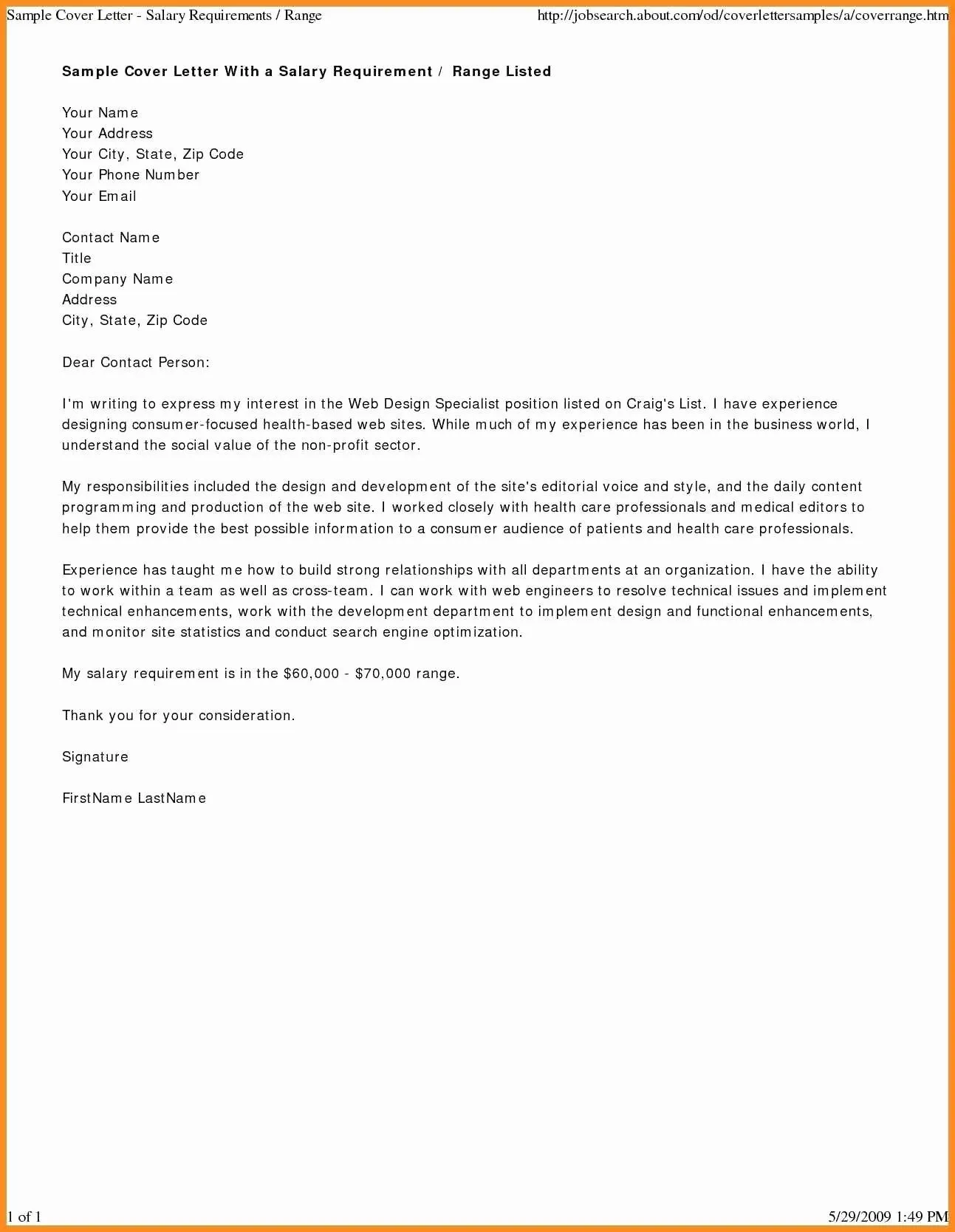
What is an Email Cover Letter?
An email cover letter is essentially a cover letter that you compose directly within the body of an email, rather than attaching a separate document. This method is frequently used when applying for jobs through online platforms or when a hiring manager specifically requests it. It serves the same purpose as a traditional cover letter introducing you, highlighting your relevant skills, and expressing your interest in the position. The key difference lies in its format and delivery mechanism — it’s designed to be read immediately within the email itself.
Why Use an Email Cover Letter?
There are several compelling reasons to opt for an email cover letter. Primarily, it offers speed and convenience. It allows you to quickly and easily convey your qualifications and enthusiasm to a potential employer. Moreover, many hiring managers prefer email cover letters because they can be instantly accessed and reviewed, streamlining the application process. The immediacy of an email also means your application is more likely to be seen promptly, potentially giving you an advantage over candidates who might take longer to submit their applications. Additionally, email cover letters are often expected in online application portals, making them a practical necessity in many job searches.
Email Cover Letter Format Overview

The format of an email cover letter is crucial for making a positive first impression. It should be professional, clear, and easy to read. Start with a formal salutation, such as ‘Dear [Hiring Manager Name]’ or ‘Dear [Company Name] Hiring Team’. Next, introduce yourself and state the position you’re applying for. Highlight your most relevant skills and experiences, tailoring them to match the job description. Keep your paragraphs concise and use bullet points to emphasize key achievements or skills. End with a call to action, expressing your interest in an interview, and a professional closing, like ‘Sincerely’ or ‘Best regards’, followed by your name and contact information.
Email Subject Line Importance
The subject line of your email cover letter is often the first thing a hiring manager sees, making it a critical element. A well-crafted subject line can significantly increase the chances of your email being opened. Your subject line should be clear, concise, and indicate the purpose of the email. Include the job title and your name to help the recruiter quickly understand what the email is about. For example, ‘Application for Marketing Manager - [Your Name]’ is a strong choice. Avoid generic subject lines like ‘Job Application’ or leaving the subject line blank, as these can easily be overlooked or sent to the spam folder. A professional subject line immediately signals your seriousness and attention to detail.
Email Body Structure
The body of your email cover letter should be well-structured and engaging. Start with a brief introduction that grabs the reader’s attention and states the reason for your email. The main body should highlight your key qualifications and experiences, focusing on how they align with the job requirements. Use short paragraphs and bullet points to make the information easy to scan. It’s also a good idea to include a brief mention of why you’re interested in the company or the specific role. Conclude with a strong call to action, such as expressing your eagerness to discuss your qualifications further and providing your contact information. Remember to keep the tone professional and enthusiastic throughout.
Fact 1 The Flexibility of Email Cover Letters

Email cover letters offer incredible flexibility, adapting seamlessly to various situations. Unlike traditional cover letters, they don’t always require a formal attachment, making them perfect for quick applications. You can tailor the length and content to the specific job and the hiring manager’s preference. This flexibility also extends to the platforms you use; you can send them from any email provider, whether it’s Gmail, Outlook, or a professional domain. Furthermore, the ability to customize the email body allows you to immediately showcase your writing skills and personality, something that’s often hidden in a separate document. This adaptability makes email cover letters a versatile tool in any job seeker’s arsenal.
Fact 2 Quick Delivery for Immediate Impact
One of the most significant advantages of an email cover letter is its speed. The moment you hit ‘send,’ your application is delivered directly to the hiring manager’s inbox. This immediacy can be a significant advantage in competitive job markets. Quick delivery ensures that your application is reviewed promptly, increasing your chances of being considered for the role. This is particularly useful when applying for jobs with tight deadlines or in industries where speed is valued. This rapid communication allows you to get ahead and demonstrate your initiative and enthusiasm to the potential employer.
Fact 3 Formatting Challenges and Solutions
Formatting can be a challenge when writing an email cover letter, as different email providers may render the text differently. To mitigate this, use simple formatting options like bold and italics sparingly. Avoid complex layouts or excessive use of colors and fonts, as these may not display correctly across all platforms. Use clear and concise language to avoid confusion. Consider using bullet points to break up long paragraphs and highlight key information. Before sending, always send a test email to yourself to check how the formatting appears on different devices and email clients. This proactive step ensures your cover letter looks professional and readable, regardless of the recipient’s setup.
Fact 4 The Importance of a Strong Subject Line

A strong subject line is crucial for getting your email cover letter opened. It’s the first impression you make on a hiring manager, and a well-crafted subject line can significantly increase your chances of being noticed. Your subject line should be clear, concise, and specific. Include the job title and your name, for example, ‘Application for Marketing Manager - Jane Doe’. Avoid generic phrases like ‘Job Application’ or leaving the subject line blank, as these can lead to your email being overlooked or sent to the spam folder. A compelling subject line shows that you are detail-oriented and respect the recruiter’s time, qualities that are highly valued in any candidate.
Fact 5 How to Attach a Traditional Cover Letter
While the body of an email cover letter is often the cover letter itself, some situations may call for attaching a traditional cover letter. This is common when the job posting explicitly requests both. In such cases, you would write a brief introductory email, stating your interest in the position and mentioning that your resume and cover letter are attached. The email should still highlight a few key skills or experiences to capture the reader’s attention. The attached cover letter should be saved as a PDF to preserve formatting and ensure compatibility across different devices. Always refer to the attached documents in the email body to guide the reader and make the application process seamless.
Email Cover Letter Best Practices
To maximize your chances of success, follow email cover letter best practices. Keep your email concise and to the point, typically aiming for no more than four to five paragraphs. Customize your cover letter for each job, highlighting the skills and experiences most relevant to the specific position. Proofread your email carefully for any grammatical errors or typos. Use a professional email address and a clear, easy-to-read font. Always include your contact information, including your phone number and LinkedIn profile link. Finally, always follow the instructions in the job posting. By adhering to these best practices, you’ll significantly increase your chances of making a positive impression and getting an interview.
Proofreading and Editing Your Email

Proofreading and editing your email cover letter is crucial. Errors can create a negative impression and undermine your credibility. Before sending, carefully review your email for any typos, grammatical errors, and inconsistencies. Read the email aloud to catch any awkward phrasing or sentences that don’t flow well. Consider having a friend or family member read your email for a second opinion. Use grammar and spell-checking tools, but don’t rely on them entirely; they may not catch all errors. Ensure that your contact information is correct and up-to-date. Taking the time to proofread and edit demonstrates your attention to detail and commitment to presenting yourself in a professional manner.
Concluding Thoughts on Email Cover Letters
In conclusion, yes, a cover letter can indeed be an email, and in many cases, it’s the preferred or even required method. Understanding the format, best practices, and advantages of email cover letters is essential for a successful job search. By following these guidelines, you can create compelling emails that highlight your qualifications and increase your chances of landing an interview. Remember to tailor your email to each job, proofread carefully, and always maintain a professional tone. With the right approach, your email cover letter can be a powerful tool in securing your dream job.