In the competitive world of job applications, a well-crafted cover letter can be the key to unlocking your dream career. A cover letter is your first opportunity to make a positive impression on a potential employer. It’s a personalized introduction, a chance to showcase your enthusiasm, and an opportunity to connect your skills and experience to the specific requirements of the job. This comprehensive guide will provide you with five essential tips to create a standout cover letter that boosts your chances of landing an interview and ultimately, the job. By following these tips, you’ll be well on your way to creating a cover letter that grabs attention and sets you apart from the competition. Let’s dive into the essential components of a compelling cover letter that will help you stand out from the crowd and secure your dream job.
Why a Cover Letter Matters
Many job seekers underestimate the power of a cover letter. It’s not merely a formality; it’s a crucial component of your job application. A cover letter provides context to your resume. It allows you to explain gaps in your employment history, elaborate on your accomplishments, and demonstrate your genuine interest in the role and the company. It also gives you a platform to highlight your personality and writing skills, which can be equally important as your technical abilities. In addition, a well-written cover letter shows that you have taken the time to research the company and understand the specific requirements of the job. A cover letter is your first chance to make a lasting impression on a hiring manager, and it can significantly impact your chances of getting an interview. It differentiates you from other candidates and presents you as a serious applicant, and this is why cover letters still matters for a successful application.
What to Include in Your Cover Letter
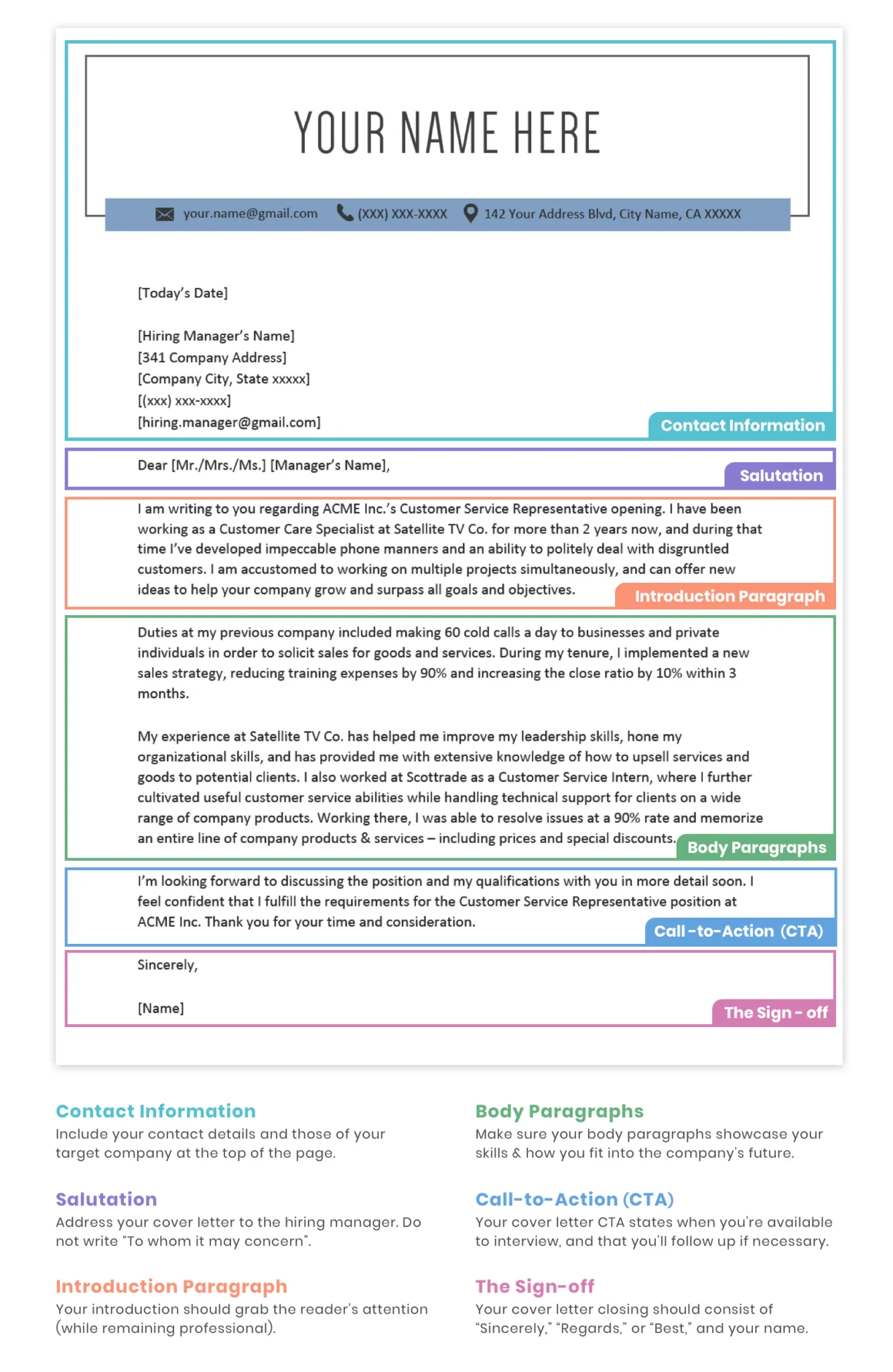
Your cover letter should be concise, engaging, and tailored to the specific job you’re applying for. Start by addressing the hiring manager by name, if possible. Researching the company to find out who the hiring manager is shows initiative and attention to detail. In your opening paragraph, state the position you’re applying for and where you found the job posting. Then, briefly explain why you’re interested in the role and the company, highlighting your passion and enthusiasm. The body of your cover letter should elaborate on your relevant skills and experiences, referencing specific achievements and quantifiable results. Use action verbs to showcase your accomplishments. In the closing paragraph, reiterate your interest, thank the hiring manager for their time, and express your eagerness for an interview. Include a call to action, such as stating that you look forward to hearing from them soon or that you will follow up in a week. Remember to proofread meticulously before sending your application.
Highlighting Your Skills and Experience

One of the main goals of your cover letter is to showcase your relevant skills and experience. Instead of simply listing your qualifications, demonstrate how your skills align with the job requirements. Provide specific examples and data to support your claims. For instance, if the job description requires project management skills, describe a project you successfully managed, detailing the challenges you overcame, the results you achieved, and the skills you utilized. Also, quantify your achievements whenever possible. Instead of saying “Improved sales,” say “Increased sales by 15% in six months.” Use the STAR method (Situation, Task, Action, Result) to structure your examples, providing a clear and concise overview of your accomplishments. This method helps you present a compelling narrative that highlights your value and expertise. Make sure your examples are relevant to the specific job and demonstrate a clear understanding of the role’s responsibilities. Focus on the most relevant and impactful achievements to grab the reader’s attention and convince them of your suitability for the position.
Tailoring Your Cover Letter to the Job
Generic cover letters are easily identifiable and often lead to rejection. Take the time to tailor each cover letter to the specific job and company. Start by carefully reading the job description and identifying the key requirements, skills, and keywords. Then, use these keywords throughout your cover letter to demonstrate that you understand the role and its expectations. Customize your introduction by explaining why you are interested in the specific company, mentioning something that attracted you to the company. Show that you have researched the company’s mission, values, and recent projects. Align your skills and experience with the requirements of the role, emphasizing the most relevant achievements and showcasing how you can contribute to the company’s success. Personalize your letter, avoiding clichés and generic phrases. Your cover letter will stand out more, and you will make a stronger case for why you are the right fit for this role.
Formatting Your Cover Letter
The formatting of your cover letter is as important as its content. A well-formatted cover letter is easy to read and leaves a positive impression on the reader. Use a professional font, such as Arial, Times New Roman, or Calibri, and keep the font size between 10 and 12 points. Maintain consistent formatting throughout the document, including margins, line spacing, and paragraph alignment. Use single or 1.15 line spacing for a clean and professional look. Break up large blocks of text with short paragraphs and bullet points to improve readability. Use bolding or italics sparingly to highlight key points, but avoid overusing these features. Make sure to include your contact information at the top of the letter, including your name, phone number, email address, and professional social media profiles, such as LinkedIn. Keep your letter concise, ideally within one page. A well-formatted letter shows attention to detail and professionalism, which is a must in any job application.
Review and Proofread Your Cover Letter

Before submitting your cover letter, review and proofread it meticulously. Errors in grammar, spelling, and punctuation can undermine your credibility and give the impression that you are not detail-oriented. Read your cover letter aloud to catch any awkward phrasing or sentences that don’t flow naturally. Have a friend, family member, or career advisor review your cover letter. An extra set of eyes can often spot errors that you might miss. Check for consistency in formatting, such as the use of dates, capitalization, and punctuation. Ensure that your contact information is accurate and up-to-date. If possible, save your cover letter as a PDF to preserve the formatting and prevent any unintended changes. By taking the time to review and proofread your cover letter, you can ensure that it accurately represents your skills and qualifications, and increases your chances of getting an interview. A polished cover letter is an investment in your job search success.
Crafting a compelling cover letter is an art, not just a science. These five tips are your foundation, use them to build a personalized introduction that showcases your skills, experience, and genuine interest in the role. Remember that a cover letter is not a mere formality, but a powerful tool. Tailor your cover letter to each job, highlight your achievements, and proofread meticulously. By following these guidelines, you will create a cover letter that not only grabs the attention of hiring managers but also increases your chances of securing an interview. So, invest the time, write with passion, and let your cover letter be the key to unlocking your dream job. Good luck with your job search!