Why a Bank Cover Letter is Important
A bank cover letter is a crucial document when applying for a job in the banking industry. Unlike a resume, which provides a snapshot of your experience, a cover letter allows you to tell a story and express your personality. It’s your first impression, providing an opportunity to showcase your enthusiasm, skills, and suitability for the specific role. A well-crafted cover letter can significantly increase your chances of securing an interview, while a generic one might lead your application to the rejection pile. Therefore, investing time in writing a compelling bank cover letter is a worthwhile endeavor in your job search.
Essential Elements of a Bank Cover Letter
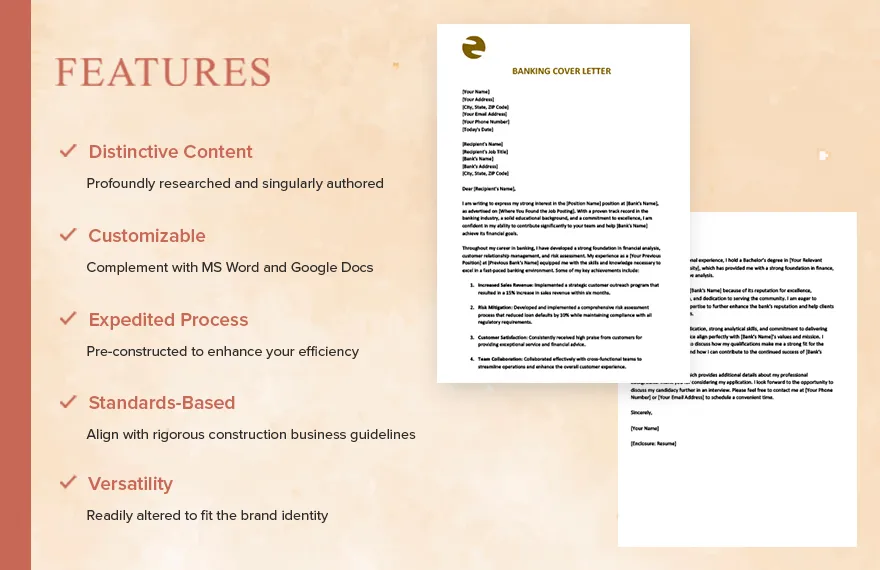
A successful bank cover letter must contain key components that highlight your qualifications and interest. Understanding these essential elements is crucial for crafting a letter that captures the attention of the hiring manager. These are the fundamental parts of a bank cover letter that must not be neglected. They are designed to convey the essential information about your suitability for the job.
Your Contact Information

Start with your contact information at the top of the letter. Include your full name, address, phone number, and professional email address. Ensure your email address sounds professional; avoid informal nicknames or outdated addresses. This allows the hiring manager to easily contact you if they want to learn more or schedule an interview. Make it easy for them to reach out to you.
Date
Directly below your contact information, include the date you are writing the letter. This date is crucial for the employer to know when you applied and helps with record-keeping. Use a standard date format to avoid any confusion.
Recipient’s Information
Address the letter to the hiring manager or the specific contact person listed in the job posting. If you can’t find a name, use a professional salutation such as ‘Dear Hiring Manager.’ Researching the company’s organizational structure can help you find the correct contact. Addressing the letter to a specific person shows you’ve done your research and are genuinely interested in the role.
The Salutation

Use a professional salutation, such as ‘Dear Mr./Ms. [Last Name],’ or ‘Dear Hiring Manager,’ if you are unsure of the name. Always maintain a respectful tone. Ensure your salutation aligns with the company culture. If you know the person’s gender, use the appropriate title. The opening sets the tone for the rest of the letter.
Showcase Your Skills
In the body of your letter, focus on highlighting your skills and experiences relevant to the banking position. The key is to align your qualifications with the job requirements. Don’t just list your skills; demonstrate how you have used them successfully in the past. Provide examples to support your claims and make your application more compelling.
Highlight Relevant Experience
Describe your experience in banking or related fields. Mention any internships, previous roles, or projects that showcase your relevant skills. Focus on achievements and accomplishments that align with the job description. Mention specific tasks and responsibilities that demonstrate your understanding of the role. Provide details to show you can handle the responsibilities required of the position.
Quantify Your Achievements

Whenever possible, quantify your achievements. Use numbers and data to illustrate your accomplishments. For example, if you improved customer satisfaction, mention the percentage increase. If you reduced costs, state the amount. Quantification makes your achievements more impactful and demonstrates your ability to drive results. This approach provides tangible evidence of your capabilities.
Tailor to the Job Description
Customize your cover letter for each job application. Carefully read the job description and identify the key skills and requirements. Then, align your experience and skills with those requirements. Tailoring your letter demonstrates your genuine interest in the specific role and increases your chances of getting selected. Use keywords from the job description to show that you understand what the employer is looking for.
Demonstrate Your Passion
Demonstrating your passion for the banking industry and the specific role is crucial. Express your genuine interest in the company and the opportunity to contribute to its success. Your enthusiasm can set you apart from other candidates and make a lasting impression. Sharing your excitement can reflect positively on your personality and work ethic.
Express Enthusiasm for the Role

Clearly state why you are interested in the position and what excites you about the opportunity. Explain how your skills and experience align with the role’s responsibilities. Show that you understand the job’s requirements and that you are eager to contribute to the team’s goals. Convey your enthusiasm in a professional and sincere manner. This helps the hiring manager see that you are motivated.
Research the Bank’s Values
Research the bank’s mission, values, and recent achievements. Show how your values align with the bank’s culture and goals. Mention specific initiatives or projects that resonate with you. Demonstrating your knowledge of the bank indicates that you have taken the time to understand the organization and its mission. This also shows your genuine interest.
Convey Professionalism
Your bank cover letter should reflect your professionalism in every aspect, from the tone to the formatting. Maintaining a professional demeanor is essential for making a positive impression. This demonstrates your ability to communicate effectively and your attention to detail. Professionalism assures the employer that you understand and will adhere to industry standards.
Proofread and Edit

Thoroughly proofread and edit your cover letter before submitting it. Check for any grammatical errors, spelling mistakes, or typos. Have a friend or colleague review your letter for feedback. Errors can undermine your credibility and negatively impact your application. Paying attention to detail shows your commitment and professionalism. A polished and error-free letter demonstrates your attention to detail.
Use a Professional Tone
Use a professional and respectful tone throughout your cover letter. Avoid slang, jargon, or overly casual language. Address the hiring manager with respect and maintain a formal tone. The tone should reflect the banking industry’s standards and professionalism. Present yourself as someone who is capable and trustworthy.
Formatting Tips
Use a clear and easy-to-read font, such as Times New Roman or Arial, with a font size of 11 or 12 points. Maintain consistent formatting throughout the letter. Use appropriate spacing between paragraphs and sections. Keep the letter concise, ideally within one page. Proper formatting makes your cover letter easy to read and shows your attention to detail. Formatting is an important part of presenting a professional image.
Bank Cover Letter Samples that Work

Reviewing bank cover letter samples can give you a strong starting point. They can provide useful templates and examples to follow. By looking at different samples, you can get a better idea of how to structure your own cover letter. Samples are useful in understanding what to include in a cover letter. You can adapt the examples to your own circumstances.
Entry-Level Sample
An entry-level bank cover letter sample should focus on your academic qualifications, relevant coursework, and any internships or volunteer experiences. Emphasize your skills, such as strong communication, problem-solving, and customer service. Highlight any achievements, such as academic awards or participation in relevant clubs. This will showcase your potential and readiness to learn and contribute.
Experienced Professional Sample
An experienced professional’s bank cover letter should highlight past accomplishments and results. Quantify your achievements with data whenever possible. Mention specific examples of how you improved processes, increased sales, or reduced costs. Focus on the skills required by the job description, such as leadership, financial analysis, and regulatory compliance. This is about demonstrating your experience and your ability to make contributions.
Tips for Customizing Your Sample
While using samples can be helpful, remember to customize your cover letter for each job application. Tailor the content to match the specific requirements of the role. Research the bank’s values and mention how your skills and experience align with them. Ensure your tone matches the company culture. Personalize your letter to show that you have done your research.
In conclusion, a well-crafted bank cover letter is a vital tool for any job seeker in the banking sector. By following the guidelines and incorporating the essential elements, you can create a cover letter that effectively showcases your skills, experience, and passion for the industry. Always remember to tailor your letter to the specific role, proofread carefully, and present yourself professionally. With a strong cover letter, you can significantly increase your chances of landing your dream job in banking.