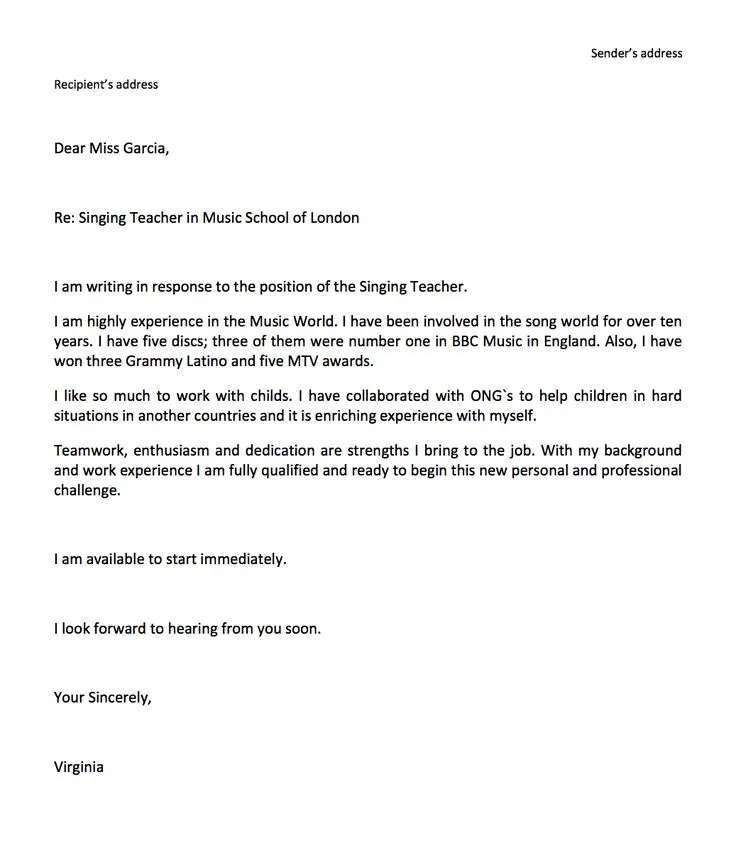
The Importance of a Compelling Application Cover Letter
In the competitive landscape of job applications, a well-crafted cover letter is your key to unlocking the door to your dream career. It serves as your first introduction to a potential employer, providing an opportunity to showcase your personality, skills, and passion in a way that a resume alone cannot. A compelling application cover letter can significantly increase your chances of securing an interview, setting you apart from the countless other applicants vying for the same position. It demonstrates your genuine interest in the company and the specific role, allowing you to elaborate on why you are the perfect fit and how your experiences align with their needs. It’s a chance to make a memorable first impression, conveying your enthusiasm and professionalism from the outset. Failing to provide a cover letter or submitting a poorly written one can inadvertently signal a lack of attention to detail and a lack of serious interest, potentially leading to your application being overlooked.
Researching the Company and Role
Before you even begin to write your cover letter, dedicate time to thoroughly research the company and the specific role you are applying for. Visit the company’s website, read recent news articles, and explore their social media profiles to gain a comprehensive understanding of their mission, values, and current projects. This in-depth research will enable you to tailor your cover letter, directly addressing the company’s specific needs and highlighting how your skills and experiences align with their goals. Look for keywords in the job description that you can incorporate naturally into your letter, demonstrating your understanding of the role’s requirements. Identifying the company’s culture and values will help you craft a cover letter that resonates with them, conveying your genuine interest and demonstrating that you’ve taken the initiative to learn about their organization. This level of preparation demonstrates your commitment and will make your application stand out from those who submit generic cover letters.
Tailoring Your Cover Letter

A generic, one-size-fits-all cover letter is unlikely to impress any hiring manager. Tailoring your cover letter to each specific job application is absolutely essential. Use the information you gathered during your company and role research to customize your letter. Address the hiring manager by name, if possible, and reference specific aspects of the company or the role that resonate with you. Highlight the skills and experiences that are most relevant to the position’s requirements. Instead of simply restating your resume, elaborate on your accomplishments, providing specific examples that demonstrate your capabilities and the value you can bring to the organization. Show that you’ve put in the effort to understand the role and the company’s needs. This personalized approach showcases your genuine interest and makes your application significantly more compelling, ultimately increasing your chances of success.
Highlighting Relevant Skills and Experiences
Your cover letter is your opportunity to shine a spotlight on the skills and experiences that make you the ideal candidate. Carefully review the job description and identify the key qualifications and requirements. Then, use your cover letter to showcase how your past experiences have equipped you with those essential skills. Provide specific examples of how you’ve utilized these skills in previous roles, quantifying your achievements whenever possible. Connect your skills to the company’s needs, demonstrating how you can contribute to their success. This isn’t merely a recitation of your resume; it’s an active demonstration of your capabilities, showing the hiring manager what you can bring to the table. Aligning your skills and experiences with the specific requirements of the role, will make your application more persuasive and memorable. This is how you prove that you are not just qualified but the perfect fit.
Quantifying Achievements and Results
When describing your achievements, always strive to quantify your results. Instead of simply stating that you “improved customer satisfaction,” provide specific metrics, such as “increased customer satisfaction scores by 15%.” Whenever possible, use numbers, percentages, and data to demonstrate the impact of your work. This approach makes your accomplishments more tangible and credible, proving the value you’ve brought to past roles. Quantifiable results are far more persuasive than general statements, allowing the hiring manager to easily understand the positive contributions you’ve made. Even seemingly small achievements can be made significant by quantifying them. For example, if you “streamlined a process,” state how much time or money you saved the company. Always include hard data that proves your capabilities and showcases your potential contributions to the prospective employer. Use numbers to make your accomplishments truly impressive.
Showcasing Your Personality and Enthusiasm

Your cover letter is an opportunity to let your personality shine through and demonstrate your genuine enthusiasm for the role and the company. While maintaining professionalism, infuse your writing with your authentic voice. Avoid sounding overly formal or robotic. Share what motivates you and why you are excited about the opportunity. This will help you connect with the hiring manager on a personal level, allowing them to get a sense of who you are beyond your qualifications. Let your passion for the field and the company’s mission come through in your words. Mentioning specific aspects of the company that appeal to you, such as their values or recent projects, further demonstrates your genuine interest. This approach makes your application more memorable, helping you stand out from the crowd of applicants. Expressing genuine enthusiasm will create a positive impression.
Structuring Your Cover Letter Effectively
The structure of your cover letter is just as important as its content. A well-organized cover letter is easy to read and understand, making a positive impression on the hiring manager. Start with a strong opening paragraph that captures their attention. Briefly state the position you are applying for and why you are interested. Follow this with a body that highlights your relevant skills and experiences, using specific examples and quantifiable results. Conclude with a concise and confident closing paragraph, restating your interest and including a call to action. Use clear headings and subheadings to break up the text, making it easy to scan and navigate. Maintain a professional and engaging tone throughout the letter, making your message clear and persuasive. A well-structured cover letter is a sign of professionalism and attention to detail.
Crafting a Strong Opening and Closing
Your opening paragraph should immediately grab the reader’s attention and create a positive first impression. State the position you are applying for and briefly explain why you are interested in the role and the company. Avoid generic phrases. Instead, try to write something compelling and tailored to the specific opportunity. In your closing paragraph, reiterate your interest in the position and the company. Express your confidence in your abilities and provide a clear call to action, such as stating that you look forward to hearing from them or mentioning your availability for an interview. A strong opening and closing act as the bookends of your cover letter, framing your message and leaving a lasting impression. A well-crafted opening will immediately capture the hiring manager’s attention, while a strong closing reaffirms your enthusiasm and encourages them to move forward with your application.
Formatting and Proofreading for Perfection

Before submitting your cover letter, always format and proofread it meticulously. Ensure your cover letter is easy to read and visually appealing. Use a professional font and consistent formatting throughout. Pay close attention to the spacing, margins, and paragraph structure. Proofreading is crucial to catch any errors in grammar, spelling, and punctuation. These errors can detract from your credibility. Read your cover letter aloud to catch any awkward phrasing or unclear sentences. Consider having someone else review it, as a fresh pair of eyes can often spot mistakes you might miss. Double-check all contact information and ensure your name, address, and phone number are accurate. A well-formatted and error-free cover letter demonstrates attention to detail and professionalism, significantly increasing your chances of making a positive impression.
Adding a Call to Action
The final step to making your cover letter truly effective is to include a clear call to action. This lets the hiring manager know what you want them to do next. In your closing paragraph, express your enthusiasm for the opportunity and your confidence in your ability to contribute to the company. Then, clearly state what you are hoping for. For example, you could say, “I am eager to discuss my qualifications further and am available for an interview at your earliest convenience.” Or, “Thank you for your time and consideration. I look forward to hearing from you soon.” By including a call to action, you proactively guide the hiring manager through the next steps and demonstrate your initiative. This reinforces your interest and increases the likelihood that you will receive a response.
Follow-Up Strategies
After submitting your application, it’s often a good idea to follow up. The timing of your follow-up is crucial. Avoid being overly eager, but also ensure you’re not forgotten. A week or two after submitting your application is a good time to send a brief email. Reiterate your interest in the position and the company. You can also gently inquire about the status of your application. Keep your follow-up email concise and professional. Refer back to your original cover letter and highlight one or two key qualifications that align with the job description. Express your continued enthusiasm and reiterate your availability for an interview. Following up demonstrates your genuine interest and initiative. It can also help your application stand out and increase your chances of getting noticed by the hiring manager.